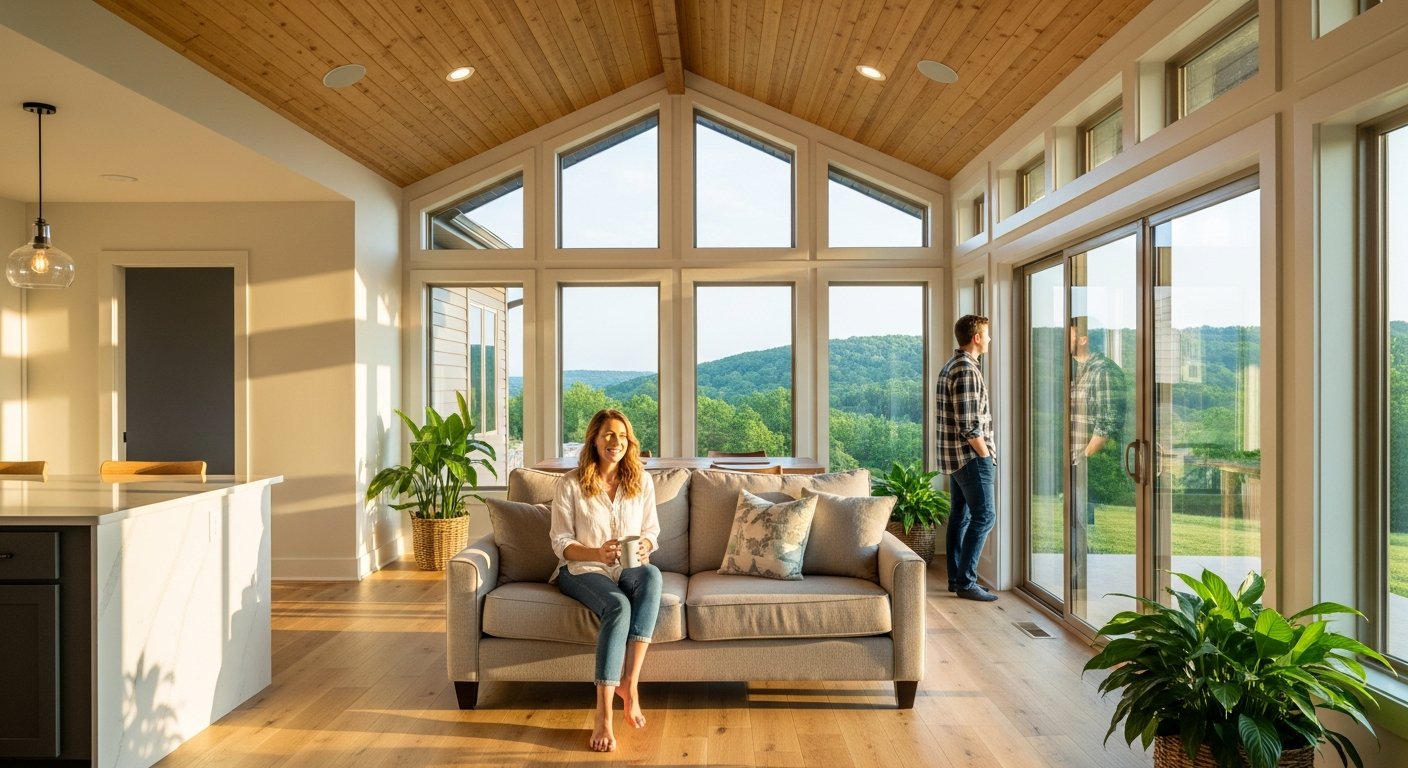
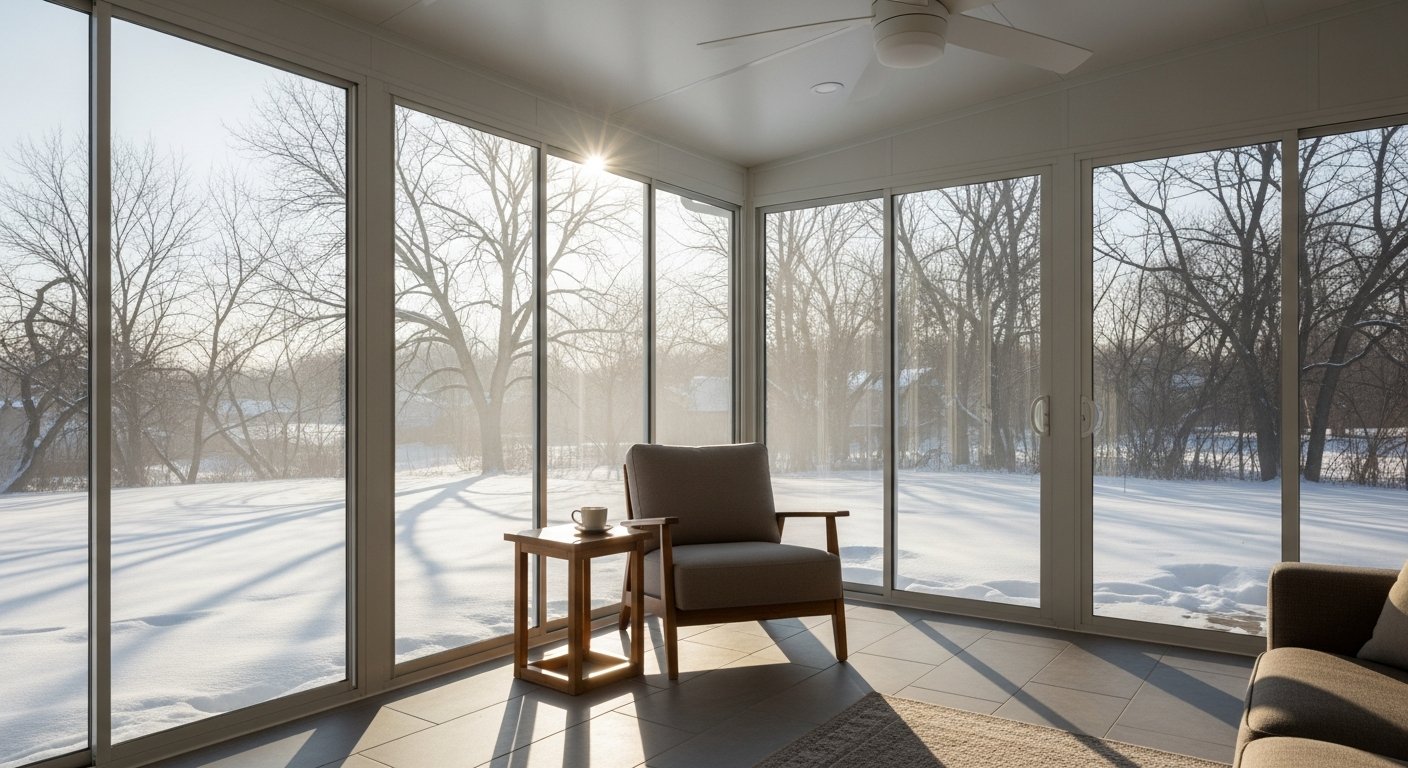
Imagine sipping your morning coffee while golden sunlight streams through glass walls, even on a chilly January morning in Arkansas. Now picture that same space as a lively gathering spot for summer barbecues, protected from the midday heat. A sunroom addition makes this possible, transforming the way you experience your home through every season. For Arkansas homeowners, a well-designed sunroom is not just an extra room. It is a versatile living area that bridges the comfort of indoors with the beauty of the Natural State’s landscape.
Arkansas offers a climate of distinct seasons, from mild springs to hot summers and crisp winters. A sunroom addition designed for year-round enjoyment takes full advantage of this variety. It provides a comfortable retreat no matter what the weather does outside. Whether you want a quiet reading nook flooded with natural light or a spacious entertainment area that opens to your backyard, a sunroom can deliver. This guide explores the key considerations for planning a sunroom addition in Arkansas, including design options, material choices, and working with local experts to ensure your project succeeds.
Why Choose a Sunroom Addition in Arkansas?
The appeal of a sunroom addition goes beyond extra square footage. In Arkansas, where outdoor living is cherished for much of the year, a sunroom extends your usable living space without exposing you fully to the elements. It offers a buffer zone between your home and the outdoors, allowing you to enjoy the view and fresh air without dealing with insects, pollen, or sudden rain showers.
A sunroom also adds substantial value to your property. Real estate experts agree that well-executed additions, especially those that enhance lifestyle appeal, tend to offer strong returns on investment. For Arkansas homeowners, a sunroom creates a unique selling point that distinguishes your home from others on the market. It signals that the house is designed for comfort, leisure, and connection with the surrounding landscape.
Beyond financial value, a sunroom improves your daily quality of life. Natural light has been shown to boost mood, support vitamin D production, and improve sleep patterns. By bringing more daylight into your home, a sunroom creates a brighter, more inviting atmosphere. It can also serve as a home office, a playroom for children, a greenhouse for plants, or a peaceful space for morning yoga. The versatility is one of its greatest strengths.
Key Design Considerations for Year-Round Comfort
Designing a sunroom that works in all four Arkansas seasons requires careful planning. You need to think about insulation, glazing, orientation, and climate control. The goal is to create a space that remains comfortable without relying excessively on heating or cooling systems.
Insulation and Glazing Choices
The type of glass you choose has the biggest impact on your sunroom’s performance. Single-pane windows are inexpensive but offer poor insulation. For year-round use in Arkansas, double-pane or triple-pane low-E glass is essential. Low-emissivity (low-E) coatings reflect infrared heat while allowing visible light to pass through. This keeps the room cooler in summer and warmer in winter.
Consider the frame material as well. Aluminum frames are durable and low-maintenance but conduct heat and cold easily. Vinyl frames offer better insulation and resist moisture, which is important in Arkansas’s humid climate. Wood frames provide excellent insulation and a classic look but require more maintenance to prevent rot and warping. Your choice should balance budget, aesthetics, and thermal performance.
Roof panels also matter. A sunroom with a glass roof lets in maximum light but can lead to overheating. Opt for insulated roof panels or a combination of solid roofing with large windows. Some homeowners choose a solid roof with skylights to control the amount of direct sunlight. This approach reduces heat gain while still providing natural illumination.
Orientation and Sun Exposure
The direction your sunroom faces affects how much sun it receives throughout the day. South-facing sunrooms capture the most light year-round, making them ideal for passive solar heating in winter. However, they can become uncomfortably hot in summer without proper shading. East-facing rooms enjoy gentle morning sun and stay cooler in the afternoon. West-facing rooms get intense afternoon heat, which can be challenging in Arkansas summers. North-facing rooms receive the least direct sunlight and stay cooler, but they may feel darker and require more artificial lighting.
Work with your contractor to assess your property’s orientation and plan for shading solutions. Overhangs, awnings, blinds, or exterior shades can help manage heat gain without blocking all the light. Strategic planting of deciduous trees can also provide natural shade in summer while allowing sunlight through in winter when leaves fall.
Heating and Cooling Integration
A sunroom for year-round enjoyment needs to be connected to your home’s HVAC system or have its own dedicated system. Ductless mini-split units are a popular choice for sunrooms. They provide efficient heating and cooling without the need for extensive ductwork. Radiant floor heating is another excellent option. It warms the space evenly and feels comfortable underfoot on cold mornings.
Ceiling fans help circulate air and make the room feel cooler in summer without lowering the thermostat. For maximum comfort, consider installing a thermostat in the sunroom that works independently from the rest of the house. This allows you to maintain the ideal temperature without wasting energy on unoccupied rooms.
Sunroom Types: Choosing the Right Fit
Not all sunrooms are created equal. The type you choose depends on your budget, how you plan to use the space, and the existing architecture of your home. Here are the main options for Arkansas homeowners:
- Three-season sunroom: Designed for spring, summer, and fall use. These rooms have lighter construction, single or double-pane windows, and minimal insulation. They are less expensive but not suitable for winter use in Arkansas.
- Four-season sunroom: Built with insulated walls, double or triple-pane low-E glass, and seamless integration with your home’s HVAC system. These rooms are comfortable year-round, even during Arkansas’s coldest winter nights.
- Solarium or conservatory: A glass-walled structure with a glass roof, often used as a greenhouse. These require careful climate control to prevent overheating and are best suited for dedicated plant lovers or those seeking a dramatic architectural statement.
- Patio enclosure: A conversion of an existing patio or deck into a sunroom. This is often a more affordable option that adds usable space without a full foundation.
For Arkansas homeowners seeking year-round enjoyment, a four-season sunroom is the most practical choice. It offers the versatility to be used every day, regardless of weather. While the upfront cost is higher, the long-term value and comfort make it a worthwhile investment.
Navigating Permits and Local Regulations
Before breaking ground, you need to understand the permitting process in your area. Building codes in Arkansas require permits for most structural additions, including sunrooms. Your contractor should handle this process, but it helps to know what to expect.
Permits ensure that your sunroom meets safety standards for electrical work, structural integrity, and energy efficiency. They also verify that the addition complies with local zoning laws, including setback requirements and height restrictions. Failure to obtain proper permits can result in fines, delays, or even having to remove the structure.
In our guide on sunroom addition cost and design in Arkansas, we explain how to budget for permits and work with local officials. A reputable contractor with experience in Batesville and surrounding areas will know exactly what your project requires. They can guide you through the paperwork and inspections, saving you time and stress.
Working With a Local Contractor
Choosing the right contractor is the most important decision you will make for your sunroom project. A local contractor understands Arkansas’s climate, building codes, and typical soil conditions. They have relationships with local suppliers and can source materials that perform well in the region.
When interviewing contractors, ask about their experience with sunroom additions specifically. Request references and visit completed projects if possible. Pay attention to how they communicate. A good contractor listens to your needs, offers honest advice, and provides a detailed written estimate. They should also be licensed and insured, protecting you from liability in case of accidents or damage.
At The Real Deal of Batesville, we specialize in home remodeling and additions that enhance your lifestyle. Our team works closely with you from concept to completion, ensuring your sunroom meets your expectations for comfort, beauty, and durability. We handle all aspects of the project, from foundation work to finishing touches, so you can enjoy a seamless experience.
Maximizing Your Sunroom Investment
Once your sunroom is complete, you want to get the most out of it. Here are some tips for maximizing enjoyment and longevity:
Invest in quality furniture that withstands sunlight. Direct UV rays can fade fabrics and damage materials. Choose pieces made from solution-dyed acrylic, wicker, or metal with UV-resistant finishes. Add area rugs to define spaces and reduce glare. Use plants to bring life and color into the room. Many houseplants thrive in the bright, indirect light of a sunroom.
Consider installing motorized blinds or shades. These allow you to control light and privacy with the touch of a button. They can be programmed to close during the hottest part of the day, reducing cooling costs. Smart home integration lets you manage your sunroom’s climate and lighting from your phone, adding convenience and energy savings.
Plan for seasonal maintenance. Clean windows and screens regularly to maintain clarity and airflow. Check seals and weatherstripping for wear. In fall, clear leaves and debris from the roof and gutters. These small tasks keep your sunroom looking great and functioning properly for years.
Final Thoughts on Your Arkansas Sunroom
A sunroom addition designed for year-round enjoyment is one of the most rewarding home improvements you can make. It expands your living space, connects you with nature, and adds lasting value to your property. With thoughtful planning, quality materials, and the help of an experienced local contractor, you can create a sunroom that becomes your favorite room in the house.
Whether you dream of a cozy winter retreat or a bright summer haven, the right sunroom design makes it possible. Start by defining your goals, researching your options, and reaching out to professionals who understand Arkansas living. Your sunroom awaits.