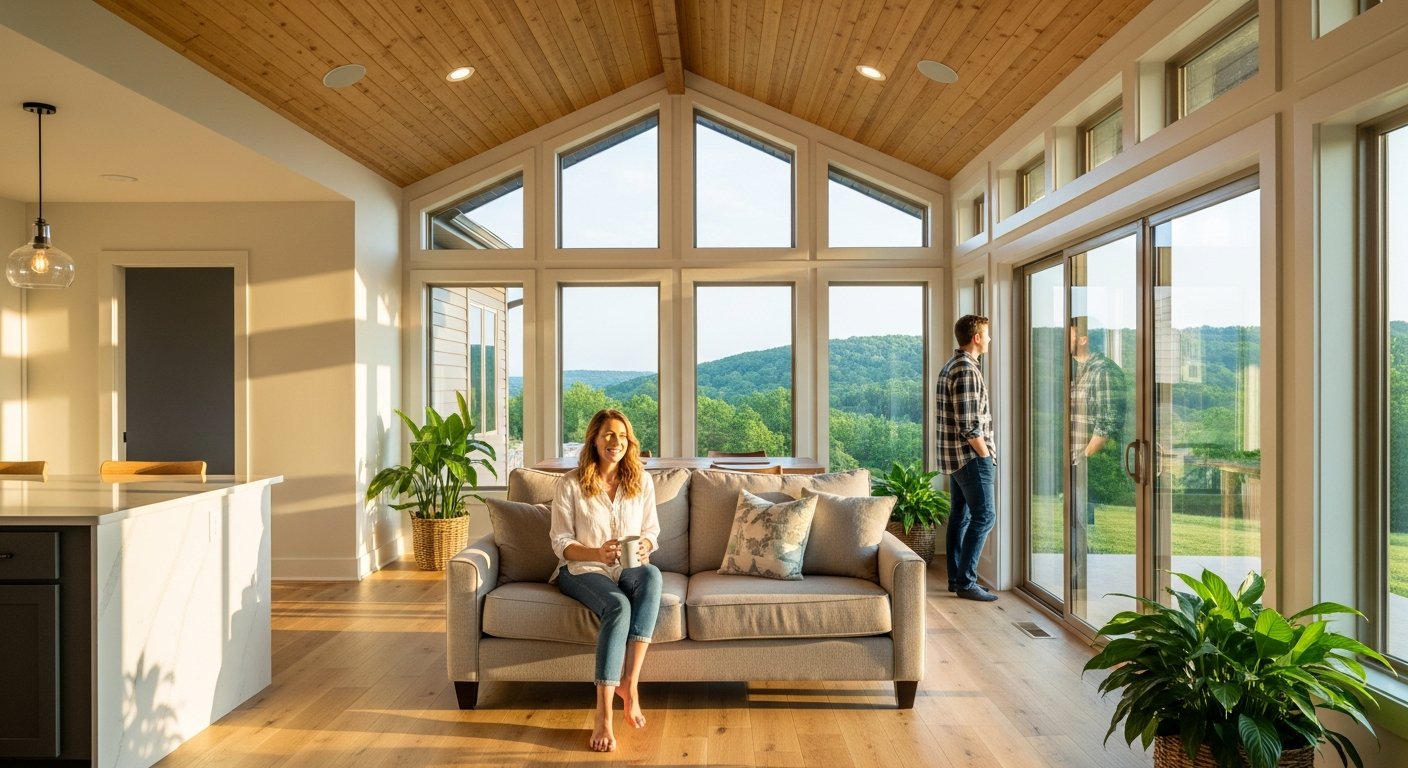

Imagine a space where morning sunlight warms your coffee, where afternoon rain creates a gentle rhythm overhead, and where your indoor plants thrive year-round. That is the promise of a well-planned sunroom addition. For homeowners across Arkansas, this home expansion offers a way to capture the natural beauty of the Ozarks without battling the humidity, mosquitoes, or extreme temperatures. But before you start picking out furniture and paint colors, you need a clear picture of the financial and design landscape. This guide covers sunroom addition cost and design Arkansas homeowners can use to make informed decisions, avoid budget surprises, and create a room that adds real value to their property.
Understanding Sunroom Types and Their Price Tags
The first factor that influences sunroom addition cost and design Arkansas is the type of sunroom you choose. Not all sunrooms are created equal; they range from simple three-season rooms to fully conditioned four-season spaces. Each type comes with its own construction methods, material requirements, and price points. Understanding these distinctions early will help you align your budget with your expectations.
Three-Season Sunrooms
A three-season sunroom is designed for use during spring, summer, and fall. These rooms typically feature single-pane windows, aluminum or vinyl framing, and minimal insulation. They do not connect to your home’s HVAC system, which keeps the initial cost lower. In Arkansas, where winters can dip below freezing but are relatively short, a three-season room can still be comfortable with the addition of a space heater or portable fan.
The average cost for a three-season sunroom in Arkansas ranges from $15,000 to $35,000, depending on size and finish level. A basic 10×12 foot room with standard windows and a concrete slab foundation might land at the lower end. If you add features like ceiling fans, upgraded flooring, or custom windows, the price climbs toward the higher end. This type of sunroom works well for homeowners who want a seasonal retreat without the expense of full insulation and HVAC integration.
Four-Season Sunrooms
A four-season sunroom is built for year-round use. These rooms require insulated glass (double or triple-pane), insulated walls and ceilings, and a connection to your home’s heating and cooling system. The framing is often heavier gauge aluminum or wood, and the foundation must meet the same standards as any other living space. In Arkansas, where summers are hot and humid and winters can bring occasional snow, a four-season room offers true versatility.
Expect to pay between $40,000 and $80,000 for a professionally installed four-season sunroom in Arkansas. A 12×16 foot room with high-end finishes, energy-efficient windows, and proper HVAC integration will sit at the upper end of this range. The investment is significant, but the return includes additional living space that can function as a family room, home office, or dining area all year.
Solariums and Conservatories
Solariums and conservatories are the premium tier of sunroom additions. These structures use glass extensively, often with curved eaves or Victorian-style frames. They are designed to maximize light and create a striking architectural feature. In Arkansas, these rooms require careful engineering to handle the weight of the glass and the thermal stress of our climate.
Costs for a solarium or conservatory in Arkansas typically start at $60,000 and can exceed $150,000 for larger or custom designs. The high price reflects the specialized materials, engineering requirements, and installation expertise needed. These rooms are best suited for homeowners who view the sunroom as a centerpiece of their property rather than just additional square footage.
Key Factors That Affect Sunroom Cost in Arkansas
Beyond the type of sunroom, several project-specific variables will shape your final quote. Being aware of these factors helps you ask the right questions when you talk to contractors. Here are the most influential cost drivers for sunroom addition cost and design Arkansas projects.
- Foundation type: A concrete slab is the most common foundation for sunrooms in Arkansas. If your site requires deep footings to reach stable soil or meet frost depth requirements, the cost increases. Pier and beam foundations can be an alternative but may add complexity.
- Roof style: A flat roof with a slight pitch is the most economical. A hip roof, gable roof, or cathedral ceiling with skylights adds material and labor costs. Each roof style also affects the interior feel and natural light distribution.
- Window quality and quantity: The windows are the defining feature of any sunroom. Low-E coated, argon-filled, double-pane windows cost more upfront but reduce energy bills and improve comfort. The number of operable windows versus fixed panels also influences the price.
- Electrical and HVAC work: Adding outlets, switches, ceiling fans, and lighting is standard. If you want a four-season room, you must budget for extending your HVAC system or installing a mini-split unit. This can add $3,000 to $8,000.
- Permits and inspections: Arkansas cities and counties require permits for sunroom additions. Permit fees vary by location and project value. Your contractor should include these in the estimate, but always confirm.
Each of these factors interacts with the others. For example, choosing a complex roof design with high-end windows and a full HVAC tie-in will push your sunroom addition cost and design Arkansas project toward the premium end. A simpler approach with standard materials keeps the budget manageable while still delivering a beautiful space.
Design Considerations for Arkansas Homes
Designing a sunroom in Arkansas requires balancing aesthetics with practicality. Our climate presents unique challenges: high humidity, intense sun exposure, and occasional severe storms. A well-designed sunroom addresses these issues while creating a space that feels connected to the outdoors.
Orientation matters more than you might think. A south-facing sunroom captures maximum winter sunlight, which can reduce heating costs. However, in summer, that same orientation can lead to overheating if you do not plan for shading. East-facing rooms enjoy morning light and stay cooler in the afternoon. West-facing rooms get intense afternoon heat, which can be uncomfortable without proper window treatments. North-facing rooms offer consistent, indirect light and are the easiest to keep cool.
Flooring choices also impact comfort and durability. Tile, stone, or luxury vinyl plank are excellent options for Arkansas sunrooms. These materials handle temperature swings and humidity better than hardwood or carpet. If you want a warmer feel underfoot, consider adding radiant floor heating beneath tile. This is especially nice in four-season rooms used during cooler months.
Window treatments are another critical design element. Cellular shades, solar screens, or exterior awnings can reduce heat gain by up to 70 percent. In Arkansas, where summer temperatures regularly exceed 90 degrees, this is not optional. It is a comfort and energy savings necessity. Motorized shades with remote control add convenience and allow you to adjust light levels throughout the day.
Planning Your Sunroom Addition Budget
Creating a realistic budget for your sunroom addition cost and design Arkansas project involves more than just the construction quote. You should also account for design fees, permit costs, furniture, and potential landscaping adjustments. A common mistake is focusing only on the construction price and forgetting the finishing touches that make the room functional.
Start by setting a total budget range. If you have $50,000 to spend, allocate about 80 percent to construction and 20 percent to design, permits, furniture, and contingencies. This leaves room for unexpected site conditions, such as discovering a tree root system that requires foundation adjustments or finding old wiring that needs upgrading.
When you meet with contractors, ask for itemized quotes. A reputable contractor will break down costs for foundation, framing, windows, roofing, electrical, HVAC, and finishes. This transparency allows you to compare bids fairly and identify where you might save money. For example, if one contractor’s quote is significantly higher in the window category, you can ask about the specific products they plan to use and consider alternatives.
Financing is another consideration. Some homeowners use home equity loans or lines of credit. Others roll the cost into a mortgage refinance. A few contractors offer in-house financing or partner with lenders. Explore your options before committing, and make sure the monthly payment fits your budget.
Working With a Local Contractor
Choosing the right contractor is the most important decision in your sunroom project. A local contractor who understands Arkansas building codes, climate considerations, and regional material suppliers will deliver a better result than an out-of-state company that subcontracts the work. For homeowners in Batesville and surrounding areas, working with a trusted local team like The Real Deal Batesville ensures the project is handled with care from start to finish.
When vetting contractors, ask for references from recent sunroom projects. Call those references and ask about the contractor’s communication, adherence to timeline, and how they handled unexpected issues. Visit a completed project if possible. This gives you a firsthand look at the quality of workmanship and the final result.
Contracts should include a detailed scope of work, payment schedule, start and completion dates, and a process for change orders. Change orders are inevitable in most construction projects. Having a clear process for approving changes and understanding their cost impact prevents disputes later. A good contractor will walk you through the contract and answer every question before you sign.
Permits and inspections are non-negotiable. Your contractor should handle the permit application process and schedule inspections at the required milestones. This protects you from liability and ensures the sunroom meets safety standards. If a contractor suggests skipping permits to save money, consider that a major red flag.
Long-Term Value and Return on Investment
A sunroom addition is both a lifestyle upgrade and a financial investment. In Arkansas, a well-designed sunroom can recoup 50 to 70 percent of its cost at resale, according to industry estimates. The exact return depends on the quality of construction, the appeal of the design, and the overall real estate market in your area. Homes with functional, attractive sunrooms often sell faster than those without.
Beyond resale value, consider the daily benefit. A sunroom gives you extra space for hobbies, exercise, reading, or entertaining. It can serve as a home office with natural light that boosts mood and productivity. For families, it becomes a playroom that keeps toys contained away from the main living areas. The intangible value of these uses often outweighs the financial return on paper.
Energy efficiency is another long-term consideration. A properly insulated and shaded sunroom can reduce the load on your HVAC system by acting as a buffer zone. In winter, the passive solar gain warms adjacent rooms. In summer, shading and ventilation prevent heat from radiating into the house. These benefits lower utility bills and improve comfort throughout your home.
Finally, maintenance matters. Choose materials that can withstand Arkansas weather without constant upkeep. Vinyl and aluminum frames require little more than occasional cleaning. Composite decking for the floor resists moisture and fading. Regular inspections of the roof and window seals catch small problems before they become expensive repairs. With minimal care, your sunroom will remain a cherished part of your home for decades.
Whether you dream of a cozy reading nook bathed in morning light or a spacious entertainment area for family gatherings, a sunroom addition can transform how you experience your home. By understanding the costs, design options, and construction process, you set yourself up for a successful project. The right planning, the right budget, and the right contractor make all the difference. Start your journey by defining your vision, then reach out to a trusted local builder who can turn that vision into reality.