Your outdoor living space is an extension of your home, a place where family gatherings, weekend barbecues, and quiet evenings unfold. For Arkansas homeowners, the choice of patio material directly impacts durability, maintenance, and long-term enjoyment. Among the many options available, exposed aggregate concrete has emerged as a standout choice for its unique combination of beauty, strength, and slip resistance. This surface, which reveals the natural pebbles and stones within the concrete mix, offers a textured finish that performs exceptionally well in Arkansas’s varied climate. Whether you are building a new patio or replacing an aging slab, understanding the benefits and installation process of exposed aggregate concrete patios Arkansas homes can help you make an informed decision that adds lasting value to your property.
Why Choose Exposed Aggregate for Arkansas Patios
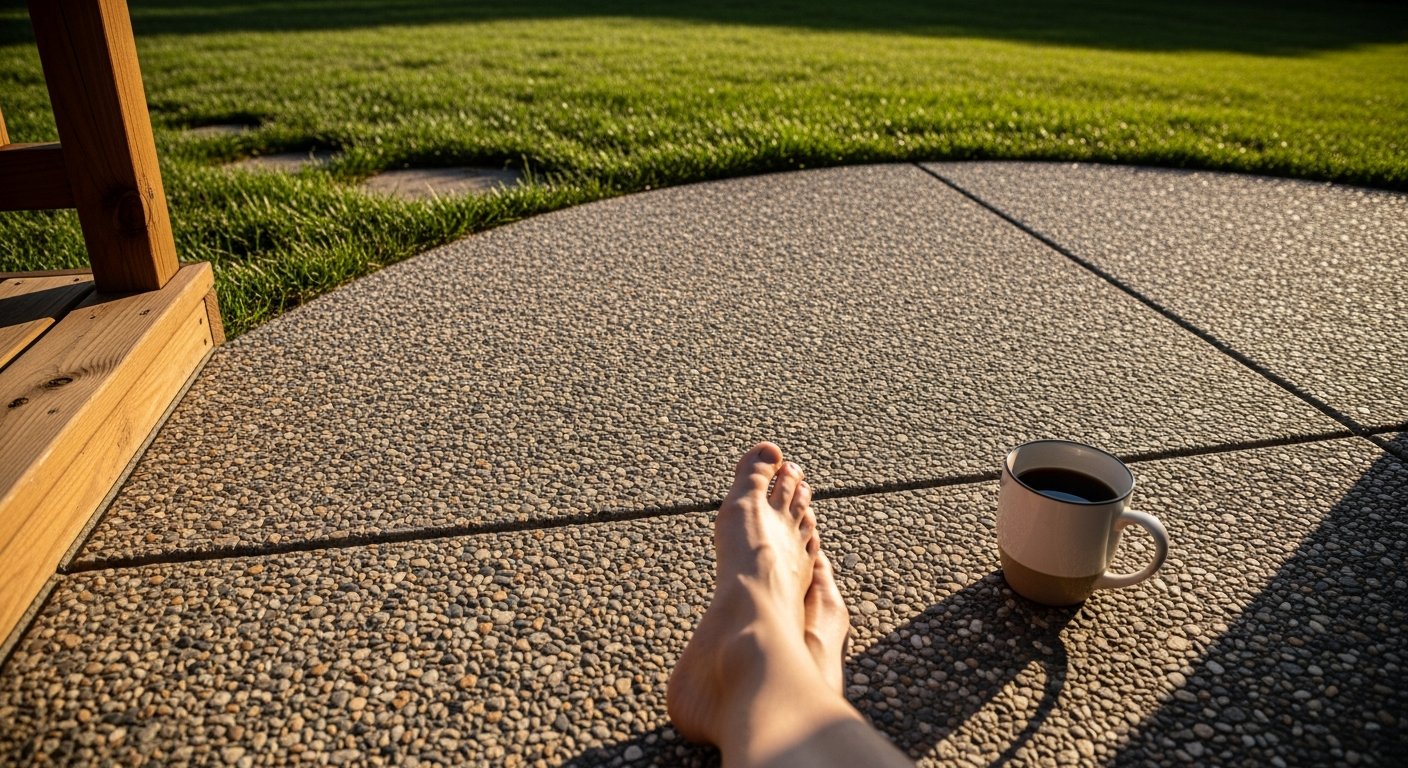
Arkansas weather presents unique challenges for outdoor surfaces. Hot, humid summers, frequent thunderstorms, and occasional freeze-thaw cycles in winter can cause plain concrete to crack and pavers to shift. Exposed aggregate concrete handles these conditions with remarkable resilience. The exposed stones create a natural drainage surface that reduces standing water and minimizes the risk of ice formation during cold snaps. Unlike smooth concrete, which becomes dangerously slick when wet, the textured surface of exposed aggregate provides excellent traction for bare feet and pets. This safety feature is especially valuable around pool areas or on patios that see regular use during Arkansas’s rainy spring months.
Beyond its functional advantages, exposed aggregate offers distinct aesthetic benefits. The natural stone colors available in local Arkansas aggregates range from warm browns and tans to cool grays and river rock tones. This variety allows homeowners to match their patio to the existing architecture and landscape. The surface also reflects sunlight differently than solid concrete, creating a visually interesting play of light and shadow throughout the day. For homeowners who want a patio that feels organic and integrated with the surrounding environment, exposed aggregate provides a rustic yet refined look that complements both modern and traditional home styles.
Durability That Stands Up to Local Climate
The structural integrity of exposed aggregate concrete comes from the same high-strength concrete mix used in driveways and foundations. The difference lies in the finishing process, where the top layer of cement paste is washed away to reveal the aggregate beneath. This process does not compromise the slab’s strength. In fact, the exposed stones create a denser surface that resists wear from foot traffic, furniture placement, and weather exposure. For Arkansas homes that experience heavy rain and humidity, this durability means fewer repairs and a longer lifespan compared to other patio materials.
Installation Process for Exposed Aggregate Patios
Installing an exposed aggregate concrete patio requires careful planning and skilled execution. The process begins with site preparation, which includes excavating the area to a depth of four to six inches and establishing a stable base of compacted gravel. This base ensures proper drainage and prevents the slab from shifting as the ground settles. Professional contractors in Arkansas understand the local soil conditions, which can include clay-heavy earth that expands and contracts with moisture changes. Proper base preparation is critical to prevent cracking and heaving over time.
Once the base is prepared, forms are set to define the patio’s shape and edges. Steel reinforcement, typically in the form of wire mesh or rebar, is placed within the form to add tensile strength. The concrete mix, which includes carefully selected aggregates of a specific size and color, is then poured and leveled. After the concrete begins to set, a surface retarder is applied that prevents the top layer of cement from hardening. The timing of this step is crucial and depends on temperature and humidity levels, which vary significantly across Arkansas’s seasons.
When the concrete has reached the right initial set, the surface is washed with water to remove the softened cement paste, exposing the aggregate beneath. This washing process requires a gentle touch to avoid dislodging the stones. After washing, the surface is cured properly to ensure maximum strength. Curing typically involves keeping the concrete moist for several days, a step that is especially important during Arkansas’s hot, dry summer months when rapid evaporation can weaken the slab.
Color and Aggregate Selection Options
Homeowners have significant control over the final appearance of their exposed aggregate patio. The aggregate itself can be selected from a range of locally sourced materials, including:
- River gravel: smooth, rounded stones in shades of gray, brown, and tan that create a classic, natural look.
- Crushed granite: angular fragments with a sparkly appearance that add visual texture and light reflection.
- Colored quartz: available in a wide spectrum of hues, from deep blues to vibrant reds, for a more customized appearance.
- Limestone chips: light-colored stones that provide a warm, earthy tone common in Ozark landscapes.
- Mixed blends: combinations of multiple aggregate types that create a complex, multi-dimensional surface.
The concrete matrix itself can also be tinted with integral color pigments, allowing homeowners to create contrast between the cement and the aggregate. For example, a dark charcoal concrete base with light river rock aggregate produces a striking visual effect. A natural gray concrete with mixed river gravel offers a more subtle, organic appearance. Working with a local contractor who understands which aggregates perform best in Arkansas’s climate ensures that your patio will maintain its beauty for decades.
Cost Considerations for Arkansas Homeowners
The cost of installing exposed aggregate concrete patios Arkansas homes varies based on several factors. Patio size, aggregate selection, site accessibility, and the complexity of the design all influence the final price. On average, homeowners can expect to pay between $8 and $15 per square foot for a professionally installed exposed aggregate patio. This price includes site preparation, materials, labor, and finishing. While this is higher than the cost of standard broom-finished concrete, which typically runs $5 to $8 per square foot, the added durability and aesthetic value often justify the investment.
Compared to other premium patio materials, exposed aggregate offers excellent value. Natural stone patios can cost $20 to $40 per square foot, and high-end pavers with proper base preparation can range from $12 to $20 per square foot. Exposed aggregate sits in a competitive middle ground, providing a high-end appearance at a reasonable cost. Additionally, the low maintenance requirements of exposed aggregate reduce long-term expenses. Unlike wood decks that require annual staining or sealing, or paver patios that need occasional sand replenishment and weed control, exposed aggregate concrete needs only periodic cleaning and resealing every three to five years.
Maintenance and Care for Long-Lasting Beauty
Maintaining an exposed aggregate patio is straightforward but requires attention to a few key practices. Regular cleaning with a garden hose and a stiff broom removes dirt, leaves, and debris that can accumulate between the stones. For deeper cleaning, a pressure washer set to a low or medium setting can be used, but care must be taken to avoid dislodging the aggregate. Arkansas’s abundant tree cover means that leaves and organic matter can stain the surface if left to decompose. Prompt removal of fallen leaves and debris prevents these stains from setting.
Sealing the patio every three to five years is recommended to protect the surface from moisture penetration, freeze-thaw damage, and oil stains from grills or outdoor cooking. A quality penetrating sealer soaks into the concrete and aggregate, providing protection without altering the natural appearance. Some sealers also enhance the color of the aggregate, giving the patio a richer, more vibrant look after application. Homeowners should choose a sealer specifically designed for exposed aggregate surfaces and apply it according to the manufacturer’s instructions. In areas of the patio that receive heavy use, such as near the grill or dining area, more frequent resealing may be necessary.
Design Ideas and Customization Options
Exposed aggregate concrete patios can be designed to suit a wide range of styles and functions. For homes with a modern aesthetic, a patio with a smooth, uniform aggregate in a single color creates a clean, minimalist look. Adding a border of contrasting aggregate or a simple band of colored concrete around the perimeter frames the space and adds visual interest. For a more rustic or natural appearance, irregularly shaped flagstone-like sections can be created by cutting control joints in a pattern that mimics natural stone. This approach combines the durability of concrete with the organic feel of a flagstone patio.
Integrating the patio with other outdoor features enhances the overall landscape design. Curved edges and multi-level platforms can accommodate sloping yards, creating separate zones for dining, lounging, and fire pits. Adding a built-in concrete bench or planter boxes using the same exposed aggregate finish ties the elements together seamlessly. For homeowners who also enjoy outdoor cooking, a concrete countertop with an exposed aggregate finish on an outdoor kitchen island provides a durable, heat-resistant work surface that coordinates with the patio.
Lighting plays an important role in extending the usability of the patio into the evening hours. Recessed lights can be installed in the concrete during the pour, creating subtle illumination that highlights the texture of the aggregate. Low-voltage landscape lighting along the edges or integrated into steps and retaining walls adds safety and ambiance. In our guide on living room accent wall ideas Arkansas homes love, we discuss how interior design elements can complement exterior spaces for a cohesive home aesthetic.
Working With a Local Contractor
Choosing the right contractor for your exposed aggregate patio project is essential to achieving a quality result. Local contractors in Arkansas understand the regional soil conditions, climate patterns, and available aggregate sources. They can recommend the best mix design and installation techniques for your specific location. When interviewing potential contractors, ask about their experience with exposed aggregate installations specifically. Request to see examples of completed projects, and ask for references from homeowners in your area. A reputable contractor will provide a detailed written estimate that includes all aspects of the project, from site preparation to final cleanup.
It is also important to discuss the project timeline and what to expect during the installation process. Exposed aggregate concrete requires careful coordination of weather conditions, as rain or extreme heat can affect the setting and washing stages. A professional contractor will monitor forecasts and schedule the pour accordingly. After installation, they should provide clear instructions for curing and initial care to ensure the patio reaches its full strength and durability.
Environmental Benefits of Exposed Aggregate
Beyond its practical and aesthetic advantages, exposed aggregate concrete offers environmental benefits that align with sustainable landscaping practices. The surface is permeable to some degree, allowing rainwater to soak into the ground rather than running off into storm drains. This natural drainage reduces erosion and helps recharge groundwater supplies. The use of locally sourced aggregates reduces transportation emissions, and concrete itself is a recyclable material. At the end of its long service life, exposed aggregate concrete can be crushed and used as aggregate for new concrete or as base material for roads and driveways.
The thermal mass of concrete also helps moderate temperature fluctuations around the patio. During hot Arkansas summers, the concrete absorbs heat during the day and releases it slowly at night, creating a more comfortable outdoor environment. This effect can be enhanced by choosing lighter-colored aggregates that reflect more sunlight, keeping the surface temperature cooler underfoot.
Exposed aggregate concrete patios represent a smart investment for Arkansas homeowners who value durability, safety, and natural beauty. The combination of slip resistance, weather resilience, and design flexibility makes this material suitable for a wide range of outdoor living spaces. By selecting quality materials, working with an experienced local contractor, and following a simple maintenance routine, you can enjoy a stunning patio that enhances your home’s value and your family’s quality of life for decades to come.