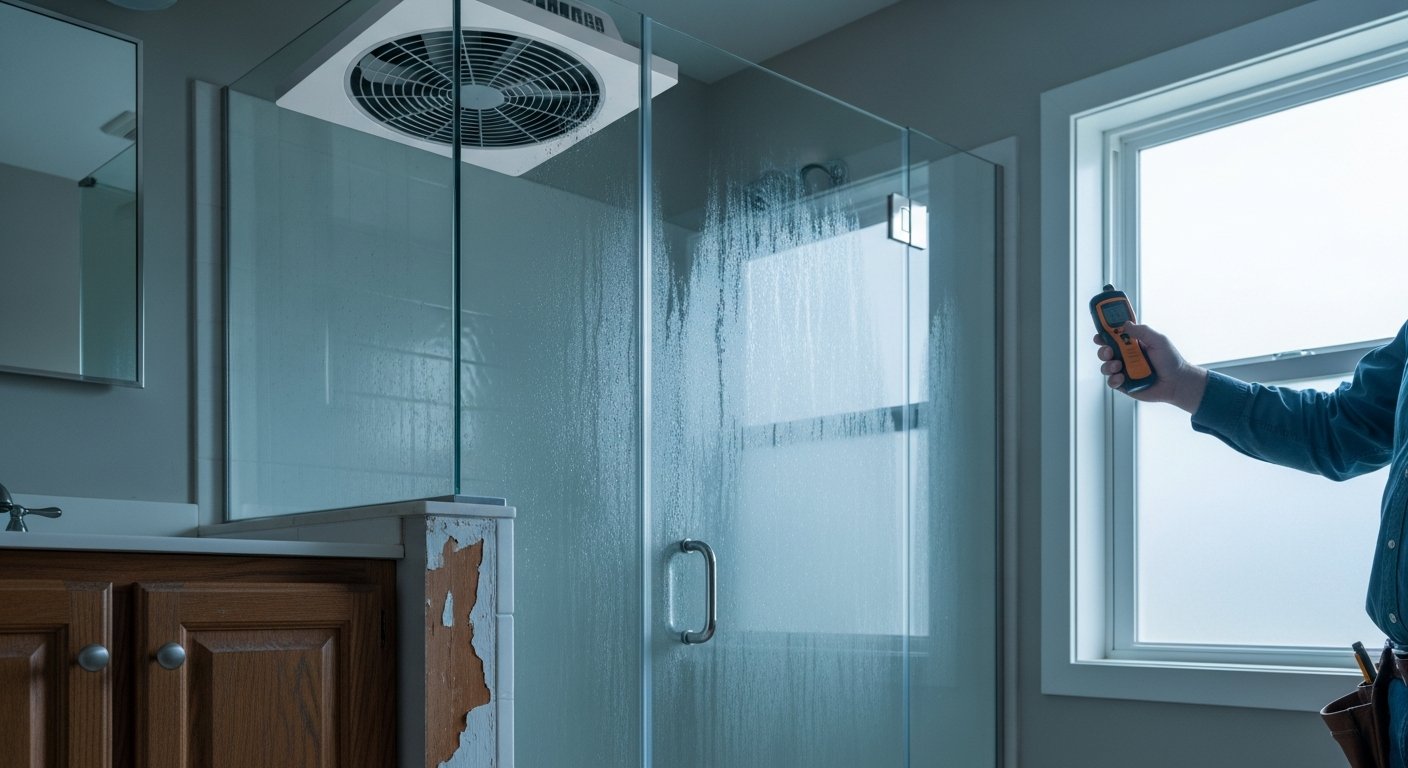
When you step out of a hot shower in an Arkansas bathroom, the steam that fills the room is more than just an inconvenience. It is a force that can peel paint, warp cabinets, and feed mold colonies behind your walls. In a state where humidity often sits above 70 percent for months at a time, the air inside your bathroom can become a breeding ground for problems that threaten both your health and your home’s structure. Understanding bathroom ventilation system moisture control Arkansas requires is not a luxury. It is an essential part of responsible homeownership. Without a properly designed and installed system, you are effectively inviting moisture to take up permanent residence in your walls, ceilings, and floors. This guide walks you through the key strategies, equipment choices, and professional installation practices that keep your bathroom dry, your family healthy, and your home safe from moisture damage.
Why Arkansas Humidity Demands Superior Bathroom Ventilation
The climate in Arkansas presents unique challenges that homeowners in drier regions simply do not face. Our summers are long, hot, and oppressively humid. Even during milder months, the outdoor air contains enough moisture to slow down natural drying inside your home. When you combine this ambient humidity with the concentrated moisture from a shower or bath, you create conditions that are ideal for mold growth, wood rot, and corrosion of metal fixtures. A standard bathroom fan that barely moves air is not enough. You need a system that can rapidly exchange the wet indoor air with drier outdoor air, and you need it to run long enough to fully clear the space.
The consequences of neglecting this need are serious. Mold spores can begin colonizing within 24 to 48 hours of a moisture event. Once established, mold can trigger allergies, asthma attacks, and respiratory infections. It also damages drywall, grout, caulk, and wood framing. In extreme cases, persistent moisture can lead to structural rot that requires costly repairs. By investing in a robust bathroom ventilation system moisture control Arkansas homes depend on, you protect not only your family’s health but also the long-term value of your property.
Key Components of an Effective Bathroom Ventilation System
Building a system that truly controls moisture requires attention to several critical elements. Each component plays a role in moving humid air out and preventing it from settling on surfaces. Below are the essential pieces that work together for reliable performance.
Fan Selection: CFM Ratings and Sizing
The most important specification for any bathroom exhaust fan is its CFM (cubic feet per minute) rating. This number tells you how much air the fan can move. For most bathrooms, the industry standard recommends a fan that can exchange the room’s air at least eight times per hour. To calculate the minimum CFM you need, multiply the bathroom’s square footage by 1.1. For a 60-square-foot bathroom, that means a fan rated at 66 CFM or higher. However, for Arkansas bathrooms, especially those with high ceilings or large showers, you should consider oversizing the fan by 20 to 30 percent. This extra capacity helps overcome the resistance of longer duct runs and the high humidity of outdoor air that may be drawn in during operation.
Beyond CFM, look for fans with low sone ratings. Sones measure perceived loudness. A fan rated at 1.0 sone or lower is whisper-quiet, which encourages family members to actually use it. Louder fans are often avoided because of the noise, which defeats the purpose of having ventilation at all. Modern ENERGY STAR certified fans offer excellent airflow with minimal sound, making them ideal for master bathrooms and guest baths alike.
Ductwork and Exterior Venting
A powerful fan is useless if the ductwork is poorly designed. The duct is the pathway that carries moist air from the bathroom to the outside. For optimal performance, use smooth-walled metal ductwork rather than flexible plastic or foil ducts. Smooth metal reduces air resistance and is less likely to trap moisture where mold can grow. The duct should be as short and straight as possible, with minimal bends. Every 90-degree turn reduces airflow by about 25 percent. If you must use bends, use two 45-degree elbows instead of a single sharp turn. Finally, the duct must terminate outside the home, never in an attic or crawl space. Venting into these enclosed areas dumps moisture directly into your home’s structure, causing rot and mold in hidden spaces. A wall cap with a backdraft damper is the best choice for Arkansas homes, as it prevents insects and outdoor air from entering when the fan is off.
Timers, Humidistats, and Smart Controls
One of the biggest mistakes homeowners make is turning off the bathroom fan too soon. After a shower, moisture remains in the air and on surfaces for 20 to 30 minutes. Running the fan for just 10 minutes is rarely enough. Installing a timer switch makes it easy to set the fan to run for 30 or 60 minutes after you leave the room. Even better, a humidistat automatically activates the fan when humidity levels rise above a set point, typically 50 to 60 percent. Smart controls that connect to your home automation system can also be programmed to run the fan at scheduled times or when motion is detected. These devices take the guesswork out of ventilation and ensure consistent moisture removal.
Choosing the Right Fan for Your Arkansas Bathroom
With so many options on the market, selecting the best fan for your specific bathroom can feel overwhelming. To simplify the decision, consider the following factors in order of priority. First, determine the correct CFM rating based on your bathroom’s size and features. Second, evaluate the noise level and choose a fan with a sone rating of 1.0 or lower for spaces used frequently. Third, decide whether you want additional features like integrated lighting, humidity sensing, or Bluetooth speakers. While these extras can be convenient, they should never compromise the fan’s core ventilation performance. Fourth, verify that the fan is ENERGY STAR certified. These models use less electricity and often have superior motor designs that last longer. Finally, check the installation requirements. Some fans are designed for retrofit installations where existing ductwork is already in place, while others are better suited for new construction or major remodels. If you are unsure, consulting with a local contractor who understands bathroom ventilation system moisture control Arkansas can save you time and money.
Installation Best Practices for Maximum Moisture Removal
Even the best fan will underperform if it is installed incorrectly. Proper installation is just as important as the equipment itself. Here are the critical steps that professionals follow to ensure your system works at peak efficiency.
- Position the fan correctly. Install the fan as close to the shower or tub as possible, ideally directly above the source of moisture. Avoid placing it near a window or door where drafts can disrupt airflow.
- Seal all duct joints. Use metal tape or mastic to seal every connection in the ductwork. This prevents air leaks that reduce suction and allow moist air to escape into walls or ceilings.
- Insulate the duct. In attics or unconditioned spaces, wrap the duct with insulation rated for your climate zone. This prevents condensation from forming inside the duct during cold weather, which can drip back into the fan or onto the ceiling.
- Provide makeup air. A powerful fan can create negative pressure in the bathroom, which may pull air from other parts of the house. For very tight homes, consider installing a small grille or transfer duct to allow air to enter the room without resistance.
- Test airflow after installation. Use an anemometer or a simple tissue test to verify that the fan is moving air effectively. Hold a tissue near the grille. If it does not pull firmly against the grille, there may be a blockage or leak in the ductwork.
Following these steps ensures that your system removes moisture quickly and efficiently. A professional installer will check each of these points as part of their standard process. For homeowners in Batesville and surrounding areas, working with a remodeling contractor who has experience with moisture control in Arkansas climate is a wise investment. For example, in our guide on Dry Deck Solutions: Arkansas Under Deck Systems Guide, we discuss how proper water management extends to outdoor structures as well. The same principles of sealing, insulating, and directing moisture away apply to both bathrooms and decks.
Maintenance Tips to Keep Your Ventilation System Running Strong
Regular maintenance is the key to long-term performance. A neglected fan loses efficiency over time as dust and debris accumulate. Here are the essential tasks you should perform to keep your system in top shape.
Clean the fan grille and housing every three months. Remove the cover and vacuum the interior surfaces using a brush attachment. Wash the grille in warm, soapy water and let it dry completely before reinstalling. Every six months, inspect the duct for obstructions such as bird nests, leaves, or insect debris. If you have a roof cap, check that the damper flap opens and closes freely. Once a year, lubricate the fan motor if the manufacturer recommends it. Some modern fans have sealed bearings that do not require lubrication, but older models may benefit from a few drops of light oil. Finally, test the fan’s operation by turning it on and listening for unusual noises. Grinding, rattling, or whining sounds may indicate a worn bearing or an obstruction in the fan blade. Address these issues promptly to avoid complete failure.
When to Upgrade Your Existing Bathroom Fan
Many Arkansas homes were built with builder-grade fans that barely meet minimum code requirements. If your fan is more than 10 years old, makes excessive noise, or fails to clear steam after a shower, it is time for an upgrade. Another sign of inadequate ventilation is persistent condensation on mirrors, windows, or walls after bathing. If you notice peeling paint, water stains on the ceiling, or a musty odor that lingers, your current system is not doing its job. Upgrading to a modern, high-efficiency fan will pay for itself through reduced maintenance costs, lower energy bills, and improved indoor air quality. The best time to upgrade is during a bathroom remodel, when walls and ceilings are open and electrical work is already being performed. However, many retrofit fans are designed to fit into existing ceiling openings, making it possible to upgrade without a full renovation.
Integrating Ventilation with Other Moisture Control Strategies
While a quality exhaust fan is the centerpiece of bathroom moisture control, it works best when combined with other strategies. Use a squeegee or towel to remove water from shower walls and doors after each use. This simple step dramatically reduces the amount of moisture that evaporates into the air. Keep the bathroom door open after showering to promote air circulation, but be mindful that this can spread humidity to adjacent rooms. In very humid weather, a dehumidifier placed in the hallway or master bedroom can help lower overall indoor humidity levels. Additionally, ensure that your bathroom’s drywall is moisture-resistant. Using moisture-resistant drywall for Arkansas bathrooms prevents mold from growing inside walls even if some moisture bypasses the ventilation system. By layering these strategies, you create a comprehensive defense against moisture damage.
Arkansas homeowners who take the time to design and maintain a proper bathroom ventilation system moisture control Arkansas demands will enjoy a healthier, more comfortable home. The investment in a quality fan, correct ductwork, and smart controls pays dividends in avoided repairs and better indoor air quality. Whether you are remodeling an existing bathroom or building a new home, prioritize ventilation from the start. Your walls, your lungs, and your family will thank you.