Your kitchen is the heart of your home, and the backsplash is the feature that ties the entire design together. For homeowners in Arkansas, choosing a kitchen backsplash involves balancing style with practicality. The humidity, temperature swings, and daily cooking demands of the Natural State require materials and installation methods that look great and last. This guide covers the top kitchen backsplash trends and installation tips for Arkansas homes, helping you make informed decisions for your remodel.
Whether you are planning a full renovation or a simple refresh, understanding the latest trends will ensure your kitchen feels current and inviting. Pairing those trends with proper installation techniques is equally important. A beautiful backsplash that fails due to poor installation will lead to frustration and extra costs. We will walk through the most popular styles, the best materials for Arkansas conditions, and expert installation advice so your project succeeds.
Top Kitchen Backsplash Trends for Arkansas Homes
The design world is moving toward materials and patterns that add texture and personality. Arkansas homeowners are embracing looks that feel both modern and timeless. Here are the leading trends for kitchen backsplashes in 2026.
Large Format Tile and Slab Backsplashes
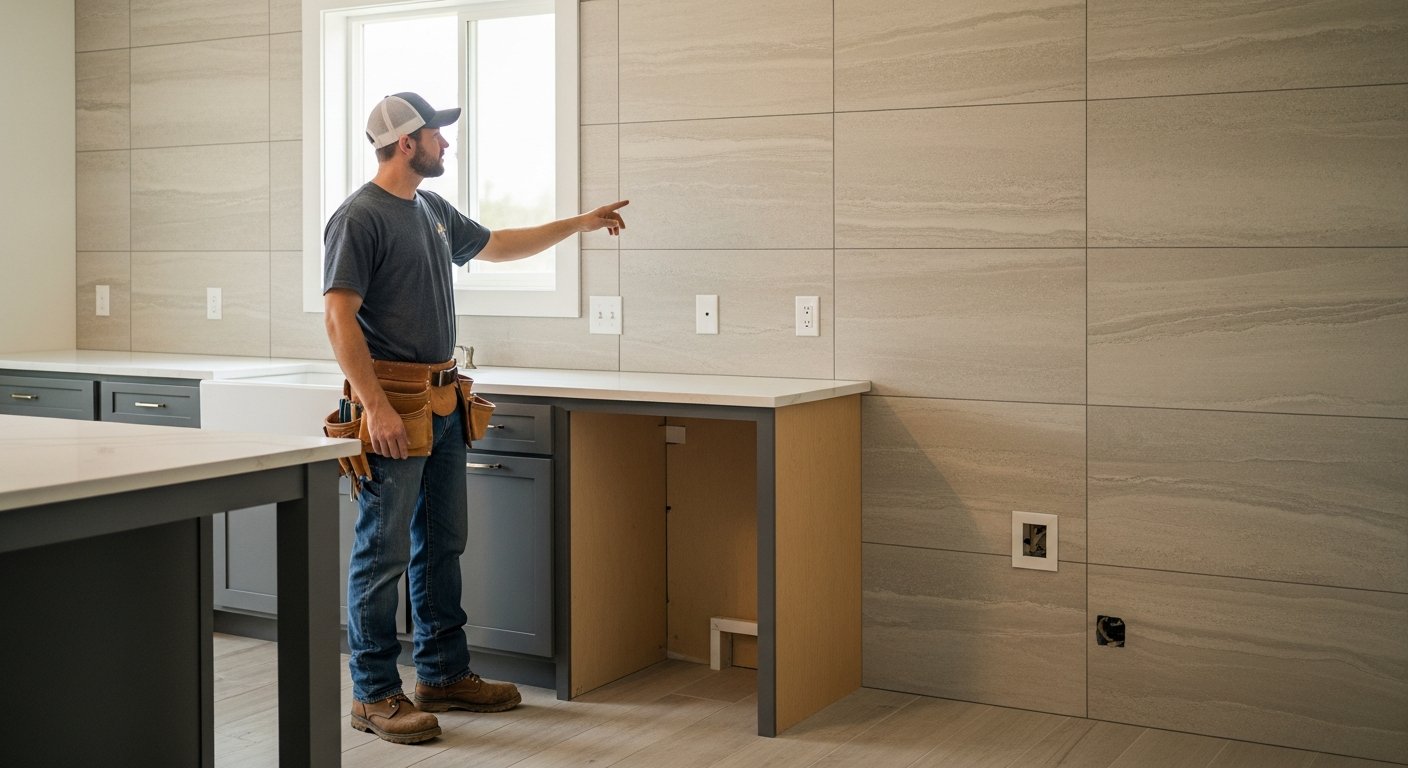
One of the biggest shifts in kitchen design is the move away from small, busy subway tile toward larger tiles and full slab backsplashes. Large format tiles, measuring 12 by 24 inches or larger, create a sleek, seamless look with fewer grout lines. This is especially appealing in Arkansas kitchens where humidity can make grout maintenance a chore. Fewer grout lines mean less cleaning and a cleaner overall appearance.
Full slab backsplashes, often made from quartz or natural stone, take this trend even further. A single continuous piece of material spanning the counter to the cabinets creates a stunning focal point. These slabs are highly durable and resist moisture better than tiled surfaces. They also offer a modern, upscale aesthetic that fits both contemporary and traditional homes. For homeowners in Batesville and surrounding areas, slab backsplashes are a practical choice because they withstand the humidity without warping or staining.
Zellige and Handmade Tile
For those who prefer a more artisanal look, Zellige tile is a top trend. These handcrafted Moroccan tiles have a glossy finish and irregular edges that catch the light beautifully. Each tile is slightly different, creating a rich, textured surface that adds depth to any kitchen. Zellige tiles work well in Arkansas kitchens because the fired glaze makes them water-resistant and easy to wipe down.
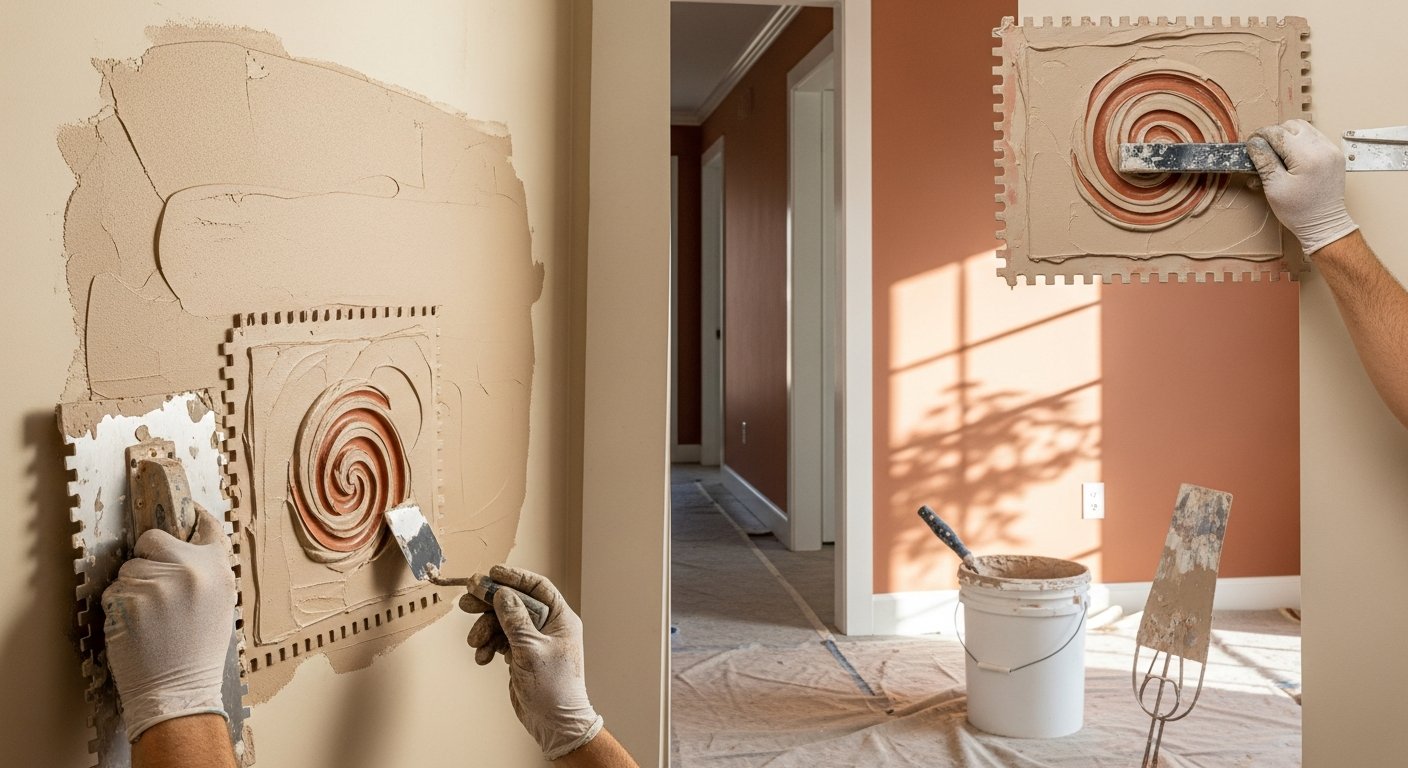
Handmade ceramic tiles in earthy tones like terracotta, sage green, and warm beige are also popular. These colors complement the natural landscape of Arkansas and pair nicely with wood cabinetry and stone countertops. The slight variations in color and shape give the backsplash a custom, organic feel. When installing handmade tile, it is important to use a flexible thin-set mortar to accommodate minor size differences and prevent cracking.
Bold Patterns and Vertical Stacking
Homeowners are becoming more adventurous with tile layout. Instead of the classic brick pattern, vertical stacking of rectangular tiles creates a fresh, contemporary look. This arrangement draws the eye upward, making the kitchen feel taller and more spacious. It works especially well in smaller kitchens or spaces with lower ceilings.
Herringbone and chevron patterns remain strong choices for adding visual interest. These patterns work best with smaller tiles like 3 by 6 inch subway tiles or 2 by 4 inch rectangles. The dynamic lines create a sense of movement and energy. For a bolder statement, some homeowners are using encaustic cement tiles with geometric or floral motifs. These tiles are durable and add a pop of color that can define the entire kitchen design.
Natural Stone and Veined Looks
Marble has always been a classic backsplash material, but modern porcelain tiles now offer realistic veining without the maintenance concerns of natural marble. Large porcelain slabs with bold, dramatic veins are trending for their elegance and practicality. These tiles resist stains, heat, and moisture, making them ideal for the busy kitchen environment in Arkansas homes.
Natural stone like soapstone, slate, and quartzite also have a strong following. Soapstone is particularly well-suited for Arkansas because it is non-porous and impervious to heat and acids. It develops a natural patina over time that adds character. Slate offers a rugged, earthy look that pairs well with rustic or farmhouse style kitchens. When choosing natural stone, ensure it is sealed properly to protect against moisture and staining in the humid Arkansas climate.
Installation Tips for Arkansas Kitchens
Proper installation is critical for a backsplash that lasts. Arkansas presents unique challenges including high humidity, temperature fluctuations, and the need for durable materials that can handle cooking heat. Follow these installation tips to ensure your backsplash remains beautiful for years.
Prepare the Substrate Properly
Before any tile or slab goes up, the wall surface must be clean, flat, and dry. Remove any old backsplash material and patch any holes or uneven areas. For drywall surfaces, apply a primer designed for high-moisture areas. In Arkansas kitchens, consider using a cement backer board instead of drywall behind the backsplash. Cement board resists moisture and provides a stable base for tile, reducing the risk of mold or delamination.
If you are installing a heavy stone or slab backsplash, the wall must be reinforced. Use screws and washers rated for the weight of the material. For full slab installations, it is wise to have a professional assess the wall structure. Proper substrate preparation prevents cracks and ensures the backsplash stays securely attached.
Use the Right Adhesive and Grout
Selecting the correct thin-set mortar is essential. For most tile backsplashes, a polymer-modified thin-set provides strong adhesion and flexibility. This is especially important in Arkansas where temperature changes can cause slight wall movement. For large format tiles or stone, use a medium-bed mortar to prevent lippage and ensure even support.
Grout choice also matters. Epoxy grout is highly recommended for Arkansas kitchens because it is non-porous and resists staining, mold, and mildew. It does not require sealing and holds up well to humidity. If you prefer traditional cement-based grout, choose a sealed variety and apply a penetrating sealer after installation. For slab backsplashes, use a clear silicone caulk at the counter and cabinet edges to create a watertight seal that allows for minor movement.
Account for Expansion and Contraction
Arkansas experiences significant humidity shifts between seasons. These changes cause building materials to expand and contract. To prevent your backsplash from cracking, install expansion joints at key locations. Place a soft joint (filled with silicone caulk) where the backsplash meets the countertop, cabinets, and any inside corners. For large tile installations, include a vertical expansion joint every 8 to 10 feet.
When using natural stone or large porcelain slabs, the substrate must be decoupled from the wall movement. A decoupling membrane, such as a matting system, can be installed before tiling. This allows the tile to move independently from the wall, reducing stress on the installation. This step is a smart investment for any Arkansas kitchen backsplash project.
Plan Your Layout Carefully
Before applying any adhesive, dry lay your tiles on the counter to plan the layout. Start with a full tile at the most visible location, usually the center of the range or sink. This ensures symmetry and avoids awkward cuts at focal points. For patterns like herringbone or vertical stacking, use laser levels and spacers to maintain straight lines.
Cutting tile requires the right tools. A wet saw with a diamond blade is best for clean, precise cuts. For curved cuts around outlets or fixtures, use a tile nipper or a rotary tool with a tile bit. Always wear safety glasses and a dust mask. For slab backsplashes, professional fabrication is essential. The slab must be cut with precision to fit your specific wall dimensions, and the edges should be polished for a finished look.
Materials That Perform Best in Arkansas
Not all backsplash materials are equal when it comes to Arkansas conditions. Here is a breakdown of top-performing materials based on durability, moisture resistance, and style.
- Porcelain and ceramic tile: These are the most popular choices due to their durability, water resistance, and wide range of styles. They are easy to clean and hold up well in high-humidity kitchens.
- Engineered quartz: Quartz slabs are non-porous, stain-resistant, and require no sealing. They offer consistent color and pattern, making them a low-maintenance option for busy families.
- Natural stone (sealed): Granite, marble, soapstone, and slate add timeless beauty. Proper sealing is essential to protect against moisture and stains. Soapstone is particularly low maintenance and heat resistant.
- Metal tiles: Stainless steel, copper, or tin tiles create a unique industrial or vintage look. They are durable and easy to clean, but can scratch over time. Use a clear protective coating to maintain the finish.
- Glass tiles: Glass backsplashes reflect light and make small kitchens feel larger. They are non-porous and resist mold, but can be prone to chipping if not handled carefully during installation.
Each material has its own installation requirements. For example, glass tile requires a white thin-set to prevent the adhesive color from showing through. Stone tiles often need a sealant before and after grouting. Always follow the manufacturer’s recommendations for the best results. In our guide on Spa Like Bathroom Retreat Arkansas Design Trends, we discuss similar material considerations for high-moisture environments that apply to kitchens as well.
Working with a Professional Contractor in Arkansas
While some homeowners tackle backsplash installation as a DIY project, hiring a professional ensures the job is done correctly, especially with complex patterns or heavy materials. A licensed contractor in Batesville or the surrounding area understands local building codes and the specific challenges of Arkansas homes. They can recommend the best materials for your budget and style, and they have the tools and experience to handle tricky installations like slab backsplashes or intricate tile patterns.
When choosing a contractor, ask for references and review their portfolio of completed kitchen projects. Discuss your desired backsplash trend and ask about their experience with that specific material. A good contractor will provide a detailed estimate and timeline. They should also explain how they will protect your countertops, cabinets, and floors during installation. Proper preparation and cleanup are signs of a professional team.
The investment in professional installation pays off in longevity and appearance. A poorly installed backsplash can lead to water damage, mold growth, and costly repairs down the road. By working with experienced professionals, you protect your kitchen remodel investment and enjoy your new backsplash with confidence.
Maintaining Your Arkansas Backsplash
Once your backsplash is installed, proper maintenance keeps it looking new. For tiled backsplashes, wipe down the surface regularly with a mild detergent and soft cloth. Avoid abrasive cleaners that can scratch the tile or grout. For natural stone, use a pH-neutral cleaner specifically designed for stone to avoid etching.
Check the grout lines and caulk annually for any cracks or gaps. Reapply sealer to natural stone and cement-based grout every one to two years, depending on use. In Arkansas’s humid climate, ensure the kitchen is well-ventilated during cooking to reduce moisture buildup. Using the range hood and opening windows helps prevent mold and mildew from forming behind the backsplash.
For slab backsplashes, wipe spills promptly to prevent staining. Quartz and porcelain slabs are low maintenance, but natural stone requires more attention. Avoid placing hot pans directly against the backsplash, as extreme heat can damage some materials. With proper care, your backsplash will remain a beautiful and functional part of your kitchen for decades.
The right backsplash transforms your kitchen into a space that reflects your style while standing up to the demands of daily life. By combining current trends with smart installation practices suited for Arkansas, you create a kitchen that is both stunning and durable. Whether you choose large format tile, handmade Zellige, or a sleek quartz slab, careful planning and professional execution make all the difference. Your kitchen deserves a backsplash that works as hard as you do, and the options available today make it easier than ever to achieve that goal.