Arkansas homeowners face a unique set of challenges when it comes to driveways. Between the heavy spring rains, the freeze-thaw cycles of winter, and the clay-rich soil that dominates much of the state, a standard concrete or asphalt driveway can develop cracks, puddles, and drainage issues within just a few years. This is where a permeable concrete driveway comes in. Unlike conventional pavement, permeable concrete allows water to pass directly through the surface and return to the ground below. For homeowners in Batesville and across Arkansas, this technology solves stormwater problems, extends the life of the driveway, and even supports the local environment. Understanding the specific benefits of a permeable concrete driveway in Arkansas can help you make a smart investment that pays off for decades.
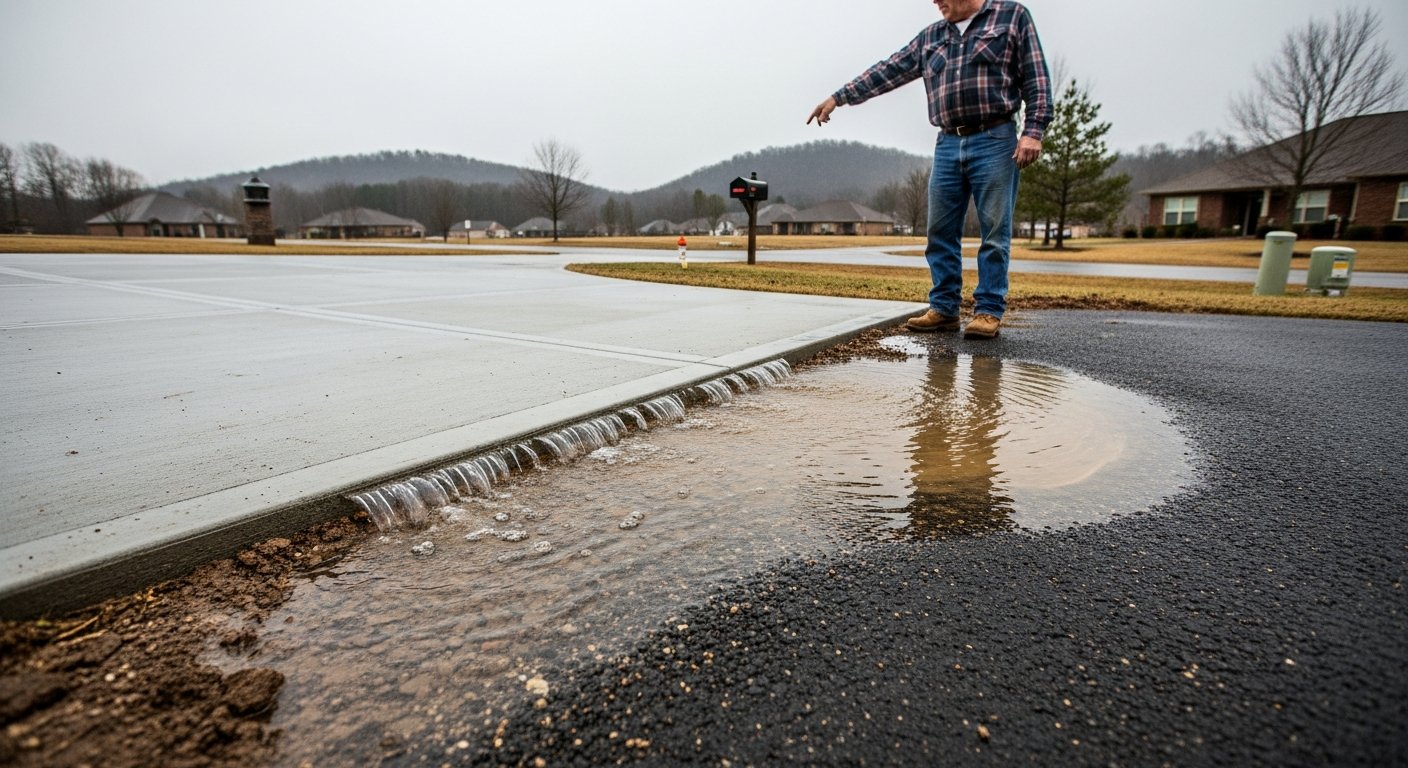
Arkansas receives an average of 50 inches of rain per year in some regions, and the clay soil common in the Ozark foothills drains slowly. When rain hits a traditional driveway, it runs off the surface, carrying oil, dirt, and debris into storm drains and nearby waterways. Permeable concrete, also known as pervious concrete, eliminates most of this runoff. The material has a porous structure that acts like a sponge, capturing rainfall and allowing it to infiltrate the soil beneath. This process reduces the burden on municipal drainage systems and helps recharge local groundwater supplies. For homeowners who care about sustainability, this is a major advantage. For those who simply want a driveway that does not flood or crack, it is equally compelling.
How Permeable Concrete Works in Arkansas Soil and Climate
Permeable concrete is not a new technology, but it has gained traction in recent years as more homeowners look for eco-friendly and durable solutions. The concrete mix uses a carefully controlled amount of water and cement to create a paste that coats the aggregate without filling the spaces between particles. The result is a solid surface with 15 to 25 percent void space. Water flows through these voids, passes through a gravel base layer, and eventually soaks into the native soil. This process is called on-site stormwater management, and it is highly effective in the Arkansas climate.
One common concern among Arkansas homeowners is whether permeable concrete can withstand the region’s freeze-thaw cycles. The answer is yes, provided the system is designed correctly. The key is the gravel base layer, which typically extends 12 to 18 inches below the surface. This layer stores water as it drains, preventing it from pooling at the surface where it could freeze and cause damage. In fact, the void spaces in the concrete itself give ice room to expand without cracking the pavement. When installed by a knowledgeable local contractor like The Real Deal of Batesville, a permeable concrete driveway can outlast a standard driveway in Arkansas weather.
Another critical factor is the soil type. Arkansas has a mix of clay, loam, and rocky soils. Clay soil has low permeability, meaning water does not pass through it quickly. A properly designed permeable driveway system accounts for this by including an infiltration bed that is deep enough to hold water until the soil can absorb it. In areas with very slow drainage, an underdrain pipe can be added to carry excess water away. This is not a one-size-fits-all solution, which is why working with a contractor who understands local conditions is essential. As part of your planning, you may also want to review our guide on concrete driveways and sidewalks in Arkansas for broader context on materials and methods.
Key Benefits of a Permeable Concrete Driveway in Arkansas
The advantages of choosing permeable concrete go far beyond water management. Here are the primary benefits Arkansas homeowners can expect:
- Stormwater runoff reduction: Permeable concrete captures nearly all rainfall, preventing erosion and reducing the volume of water flowing into streets and drainage systems.
- Enhanced groundwater recharge: Instead of sending rainwater to a storm drain, the driveway returns it to the natural water table, supporting local wells and ecosystems.
- Improved durability in freeze-thaw conditions: The open pore structure and proper base design prevent ice damage, giving the driveway a longer lifespan than traditional concrete in Arkansas winters.
- Reduced heat island effect: Permeable concrete is lighter in color and allows air circulation, keeping the surface cooler than dark asphalt on hot Arkansas summer days.
- Lower environmental impact: By filtering pollutants and reducing runoff, permeable driveways help protect nearby creeks, rivers, and the White River watershed.
Each of these benefits contributes to a driveway that is not only functional but also responsible. Many Arkansas homeowners are surprised to learn that permeable concrete can be just as strong as traditional concrete. With proper installation, it can support the weight of passenger vehicles, trucks, and even RVs without issue. The surface texture also provides good traction, which is important during Arkansas’s icy mornings.
Installation Process: What Arkansas Homeowners Should Expect
Installing a permeable concrete driveway is different from pouring a standard slab. The process begins with excavation to a depth of 18 to 24 inches, depending on the soil conditions and the expected water load. A layer of large crushed stone is placed at the bottom, followed by a layer of smaller stone. This base provides structural support and water storage. The permeable concrete is then poured on top, typically to a thickness of 5 to 7 inches. The concrete is compacted with a roller rather than a heavy trowel to preserve the pore spaces.
Curing is another critical phase. Permeable concrete must be kept moist for at least seven days to achieve full strength. In the Arkansas summer heat, this requires careful monitoring and frequent misting. After curing, the surface is often sealed with a permeable sealer to protect against debris clogging the pores. Regular maintenance involves occasional vacuuming or pressure washing to keep the surface open. Most homeowners find that a quick cleaning once or twice a year is sufficient to maintain performance.
Cost is naturally a consideration. Permeable concrete typically costs 10 to 20 percent more than traditional concrete due to the specialized materials and labor. However, many homeowners recoup this investment through reduced drainage costs, longer driveway life, and potential stormwater fee credits. Some Arkansas counties and municipalities offer incentives for permeable surfaces, so it is worth checking with local building departments before starting your project.
Environmental and Community Impact in Arkansas
Arkansas is home to some of the most beautiful rivers and lakes in the country, including the White River, the Buffalo National River, and Bull Shoals Lake. Stormwater runoff from developed properties is one of the largest sources of pollution in these waterways. Traditional driveways contribute to this problem by channeling oil, heavy metals, and sediment directly into storm drains. Permeable concrete filters these pollutants naturally as water passes through the stone base and soil. For homeowners who live near a water body or in a watershed protection area, this is a meaningful way to reduce their environmental footprint.
Beyond water quality, permeable concrete supports the local ecosystem by allowing trees and vegetation to receive water that would otherwise run off. In urban and suburban settings, this helps maintain healthy root systems and reduces the need for supplemental irrigation. It also minimizes the heat island effect, which can be significant in Arkansas towns during the summer months. A cooler driveway means a cooler home and less energy spent on air conditioning.
Long-Term Value for Arkansas Properties
From a property value perspective, a permeable concrete driveway is a distinctive feature that appeals to environmentally conscious buyers. As awareness of sustainability grows, homes with green infrastructure are becoming more desirable. In Arkansas, where outdoor living is a major part of the lifestyle, a well-designed driveway that handles rain without puddling is a practical upgrade. It also signals that the homeowner has invested in quality materials and professional installation.
Durability is another value driver. Standard concrete driveways in Arkansas often develop cracks within five to ten years due to soil movement and freeze-thaw cycles. Permeable concrete, with its flexible base and open structure, is less prone to these failures. When properly maintained, a permeable driveway can last 20 to 30 years or more. That is a long-term return on investment that makes the higher upfront cost worthwhile.
Finally, there is the benefit of reduced liability. Puddles on a traditional driveway can become icy hazards in winter, increasing the risk of slips and falls. Permeable concrete eliminates standing water, making the surface safer for walking and driving throughout the year. For families with children, elderly residents, or anyone who values safety, this is a significant advantage.
Choosing the Right Contractor for Your Permeable Driveway
Not every concrete contractor has experience with permeable systems. The mix design, base preparation, and finishing techniques require specialized knowledge. In Batesville and the surrounding Arkansas region, The Real Deal of Batesville has built a reputation for quality concrete work, including permeable installations. Their team understands the local soil conditions, drainage requirements, and building codes. When you choose a contractor with local expertise, you reduce the risk of installation errors that can compromise performance.
Before hiring a contractor, ask about their experience with permeable concrete. Request references from past projects and inspect the results if possible. A good contractor will walk you through the design process, explain the maintenance requirements, and provide a clear warranty. They should also handle any necessary permits and coordinate with local stormwater management authorities if required.
The investment in a permeable concrete driveway is an investment in your property, your community, and the Arkansas environment. With the right planning and professional execution, it delivers benefits that go far beyond a simple place to park your car.