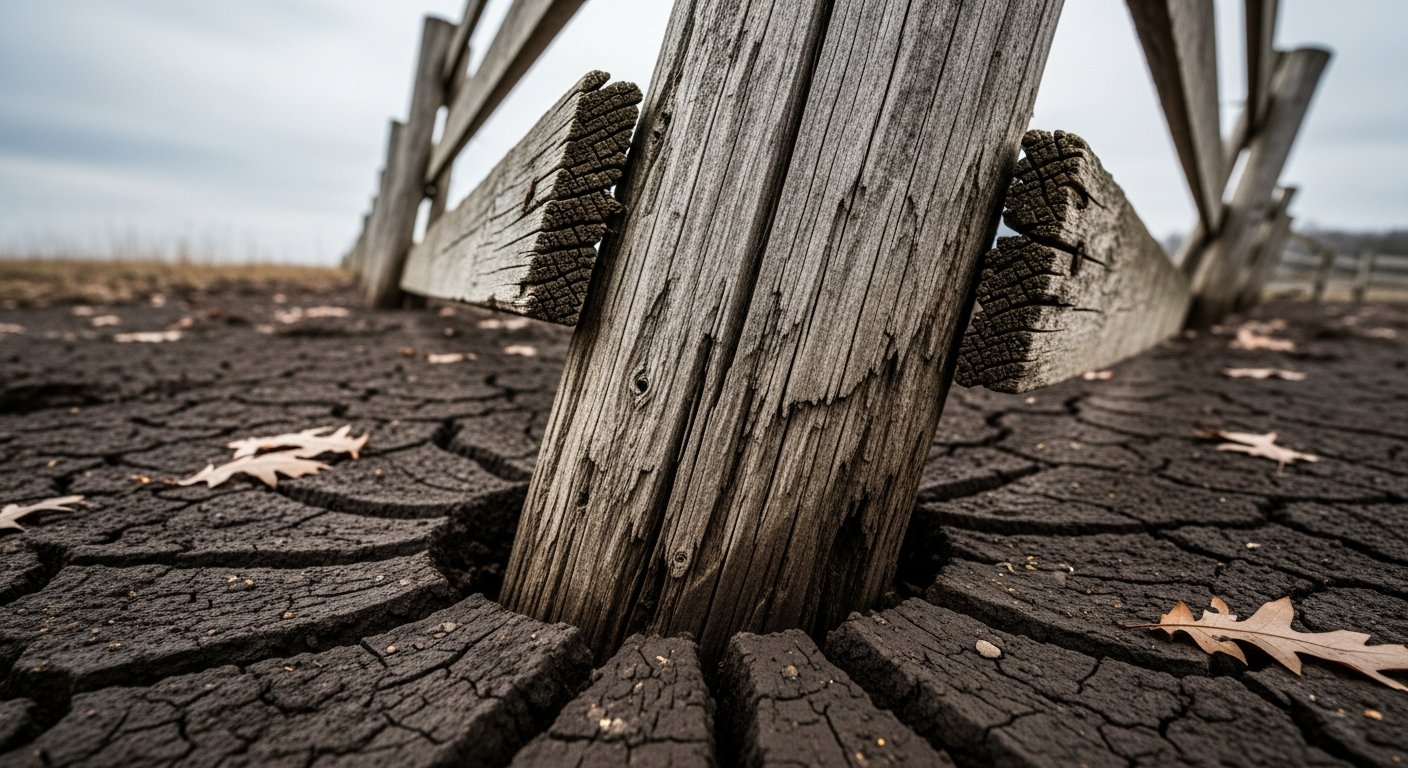
When a fence starts to tilt, it is more than an eyesore. A leaning post signals that the structural integrity of your entire fence line is compromised. In Arkansas, where heavy clay soils, freeze-thaw cycles, and seasonal storms are the norm, leaning fence posts are a common problem. But the good news is that effective Arkansas solutions exist to straighten, reinforce, or replace failing posts without tearing down the whole fence. Whether you own a home in Batesville, Searcy, or anywhere in Independence County, understanding the root cause and the right fix can save you money and extend the life of your fence for years.
Why Fence Posts Lean in Arkansas
Arkansas soil presents unique challenges for fence installation. The predominant clay soil expands when wet and contracts during dry spells. This constant movement loosens the grip on fence posts, especially if the posts were not set deep enough or with proper drainage. Over time, the post shifts, and the weight of the fence panels pulls it further out of alignment.
Another major culprit is rot at the ground line. Pressure-treated wood is standard, but even treated lumber can decay over a decade or more of contact with moist soil. Once the base of the post weakens, the fence above it begins to lean. This is especially common in older fences that were built before modern treatment standards.
Storm damage also plays a role. Arkansas sees its share of high winds and heavy rain. A strong gust can push a fence past its limit, particularly if the posts were already compromised. When you combine these factors, it is easy to see why fence repair leaning posts Arkansas solutions are in high demand among local homeowners.
Assessing the Damage: Is It the Post or the Foundation?
Before choosing a repair method, you need to determine whether the post itself is salvageable or if it must be replaced entirely. Walk along your fence and inspect each leaning section carefully. Push gently on the post near the top. If the post moves easily in the soil, the ground has lost its grip. If the post feels solid but the fence panel is sagging, the issue may be with the rails or fasteners rather than the post.
Examine the base of the post where it meets the ground. Look for soft, crumbly wood, visible cracks, or insect damage. Use a screwdriver or a small knife to probe the wood near the soil line. If the tool sinks in easily, the post has significant rot. A post that is structurally sound but merely loose can often be straightened and reinforced. A rotted or broken post must be replaced.
Consider the overall alignment of the fence. If multiple posts are leaning in the same direction, the problem might be systemic, requiring a more comprehensive approach. If only one or two posts are affected, a targeted repair is usually sufficient.
DIY vs. Professional Fence Repair Leaning Posts Arkansas Solutions
Some homeowners are tempted to tackle leaning post repairs themselves. For a single post that is only slightly loose, a DIY approach with gravel and concrete can work. However, there are several reasons why professional Arkansas solutions often deliver better, longer-lasting results.
- Proper diagnosis: A professional can distinguish between a loose post, a rotted post, and a foundational soil issue that requires drainage correction.
- Correct materials: Local contractors know which concrete mix, gravel type, and post treatment work best for Arkansas clay soil.
- Efficient execution: Professionals have the tools to dig, set, and brace posts quickly, minimizing disruption to your yard.
- Warranty and peace of mind: A reputable contractor stands behind their work, giving you confidence that the repair will hold.
For homeowners in Batesville and surrounding areas, The Real Deal of Batesville offers expert fence building and repair services. Their team understands local soil conditions and can recommend the best approach for your specific situation. Whether you need a simple post reset or a full section replacement, they have the experience to get it right the first time.
Method 1: Resetting a Loose Post
If the post is still in good condition but has become loose in the soil, resetting it is often the best option. This involves removing the old concrete or soil around the base, repositioning the post vertically, and securing it with fresh concrete. The key is to remove enough of the old material to create a solid bond with the new concrete.
Start by digging around the post to expose the base. Use a post hole digger or a shovel to remove the loose soil and any crumbling concrete. If the old concrete is intact but the post has shifted, you may need to break up the concrete with a sledgehammer or a pry bar. Aim to create a hole that is at least 6 to 8 inches wider than the post on all sides.
Once the hole is clear, place a few inches of gravel at the bottom for drainage. Set the post in the hole and use a level to ensure it is perfectly plumb. Brace the post with stakes and temporary supports to hold it in place while the concrete cures. Mix a batch of fast-setting concrete and pour it into the hole, mounding it slightly above ground level to shed water away from the post. Tamp the concrete to remove air pockets and slope the top so water runs off.
Allow the concrete to cure for at least 24 to 48 hours before removing the braces. During this time, avoid putting any weight on the fence. After the concrete has set, reattach any fence panels or rails that were removed during the repair.
Method 2: Installing a Metal Post Anchor or Spike
For posts that are too rotted at the base to reset but still have solid wood above ground, a metal post anchor or spike can be a clever solution. These devices allow you to replace the buried portion of the post without removing the entire fence section. A metal spike is driven into the ground, and the post is bolted to the spike. A metal anchor is set in concrete and the post fits into a bracket.
This approach works well for corner posts and gate posts where the load is concentrated. It is also useful when the fence is in a location where digging is difficult due to roots or rocks. The metal component resists rot and provides a strong connection to the ground.
To install a metal anchor, cut the damaged post at or just below ground level. Dig a hole for the anchor, set it in concrete, and allow it to cure. Then attach the existing post to the anchor using the provided bolts or brackets. This method preserves the upper portion of the fence, saving time and material costs.
Method 3: Full Post Replacement
When a post is severely rotted, cracked, or broken, replacement is the only reliable option. This is more labor-intensive but ensures the fence remains safe and stable. A full replacement involves removing the old post, digging a new hole, and setting a new post with proper drainage and concrete.
Begin by detaching the fence panels or rails from the damaged post. Use a reciprocating saw or a pry bar to separate the connections. If the post is set in concrete, you may need to break up the concrete to free the post. A sledgehammer and a digging bar are useful for this task. Once the old post and concrete are removed, dig the hole deeper and wider than the original to accommodate fresh gravel and concrete.
Choose a pressure-treated post rated for ground contact. In Arkansas, a 4×4 or 6×6 post is standard, depending on the fence height and style. Set the post in the hole with gravel at the bottom, check for plumb, and pour concrete. Brace the post securely and allow the concrete to cure fully before reattaching the fence.
For a seamless look, treat the new post with a wood preservative or stain that matches the rest of the fence. This helps the repair blend in and extends the life of the new post.
Preventing Future Leaning: Best Practices for Arkansas Fences
Once you have repaired your leaning posts, take steps to prevent the problem from recurring. Proper installation techniques make all the difference in a state with Arkansas’s climate. Here are key preventive measures:
- Set posts deep enough: For a standard 6-foot fence, posts should be buried at least 24 to 30 inches deep. Deeper is better in clay soil.
- Use gravel for drainage: Place 6 inches of gravel at the bottom of each post hole. This allows water to drain away from the wood, reducing rot risk.
- Slope the concrete: Mound the concrete above ground level and slope it away from the post so water does not pool at the base.
- Choose rot-resistant wood: In addition to pressure-treated pine, consider cedar or redwood for their natural rot resistance.
- Inspect regularly: Walk your fence line once a year, especially after heavy storms. Look for signs of leaning, rot, or loose hardware.
Following these practices will keep your fence standing straight for years and reduce the need for future repairs. If you are planning a new fence installation, working with a contractor who understands Arkansas soil conditions is the best investment you can make.
When to Call a Professional in Batesville
While some fence repairs are manageable for a determined DIYer, many situations benefit from professional expertise. If your fence has multiple leaning posts, if the posts are deeply embedded in concrete, or if the fence is large or heavy, a contractor can complete the job more efficiently and safely. Additionally, professionals have access to specialized tools like post pullers and concrete saws that make the job easier.
In Batesville and the surrounding areas, The Real Deal of Batesville provides comprehensive fence building and repair services. They handle everything from simple post resets to full fence replacements. Their team is familiar with local zoning regulations and can ensure your fence complies with any height or setback requirements. By choosing a local contractor, you get the benefit of experience with Arkansas’s unique weather and soil conditions.
If you are unsure whether your fence can be repaired or needs replacement, a professional inspection is a wise first step. Many contractors offer free estimates and can give you a clear picture of the work involved and the cost. This allows you to make an informed decision without committing to a major project prematurely.
Cost Considerations for Fence Post Repair in Arkansas
The cost of repairing leaning fence posts varies depending on the method, the number of posts, and the materials required. Resetting a single post with concrete typically costs between $50 and $150 in materials if you do it yourself. Hiring a professional adds labor costs, which can range from $150 to $400 per post depending on complexity and accessibility.
Full post replacement is more expensive because it involves removing the old post and concrete, purchasing a new post, and possibly replacing hardware. Expect to pay $100 to $250 for materials per post and $200 to $500 for professional installation. Metal post anchors or spikes are a mid-range option, with materials costing $30 to $60 per anchor and professional installation adding $100 to $200 per post.
While these numbers provide a general guide, the best way to get an accurate estimate is to contact a local contractor for a site visit. They can assess the specific condition of your fence and provide a detailed quote. Remember that investing in quality repair now can prevent more costly damage later, such as a fence collapse that requires full replacement.
Fence repair leaning posts Arkansas solutions are not one-size-fits-all. The right approach depends on the condition of your posts, your budget, and your long-term goals for the property. By understanding the options and working with a trusted local professional, you can restore your fence to its original strength and appearance. A straight, sturdy fence adds value to your home, enhances privacy, and gives you peace of mind knowing your property is secure.