Living in Arkansas means experiencing all four seasons in full force. Humid summers, sudden thunderstorms, freezing winters, and the beautiful but unpredictable spring weather all take a toll on your home. Without a proactive maintenance plan, small issues can become expensive repairs. That is why every homeowner in the Natural State needs a reliable seasonal home maintenance checklist Arkansas homeowners can follow to protect their investment and avoid surprise bills.
This guide breaks down exactly what to inspect, clean, and repair each season. We cover everything from roof checks and gutter cleaning to foundation monitoring and deck care. By following this schedule, you can extend the life of your home’s major systems, maintain curb appeal, and catch problems before they escalate. Whether you handle tasks yourself or call in a professional, this checklist gives you a clear path forward.
Why Arkansas Weather Demands a Seasonal Approach
Arkansas sits in a unique climate zone where hot, humid summers meet freezing winters with occasional ice storms. The state also experiences frequent tornadoes and severe thunderstorms, especially in spring and fall. These conditions put stress on roofing, siding, foundations, and outdoor structures. A deck that looks fine in July might show rot by November. A roof that survived last summer’s heat might develop leaks after a winter freeze-thaw cycle.
This is why a generic home maintenance list from a national source won’t work. You need a seasonal home maintenance checklist Arkansas homeowners can trust, one that accounts for local weather patterns, soil types, and building practices. For example, the expansive clay soil common in much of Arkansas can shift with moisture changes, leading to foundation cracks if drainage is poor. Similarly, high humidity encourages mold growth in attics and crawl spaces if ventilation is inadequate.
By tailoring your maintenance to the seasons, you address the specific threats each period brings. Spring focuses on storm damage and preparing for heat. Summer targets humidity control and pest prevention. Fall handles leaf cleanup and winterization. Winter protects against freezing pipes and ice damage. This rhythm keeps your home in top shape year-round.
Spring Maintenance: Recover from Winter and Prepare for Storms
Spring in Arkansas arrives with warmer temperatures but also the highest risk of severe weather. Tornado season peaks from March through May, so your spring checklist should prioritize storm readiness and repairing any winter damage. Start with a thorough exterior inspection. Walk around your property and look for missing shingles, cracked siding, or gaps around windows and doors. Winter ice and wind often loosen materials that need attention before spring rains arrive.
Next, clean your gutters and downspouts. Leaves and debris that accumulated over fall and winter can block water flow, causing overflow that damages your foundation and landscaping. Arkansas spring rains are often heavy, so clear gutters ensure water drains away from your home. While you are up there, check for loose gutter hangers and seal any leaks.
Spring is also the ideal time to inspect your roof. Look for curled, cracked, or missing shingles. Check flashings around chimneys, vents, and skylights. If you are not comfortable on a ladder, hire a professional. A small roof leak can lead to major interior damage if ignored. After inspecting the roof, test your sump pump if you have a basement or crawl space. Pour a bucket of water into the sump pit to confirm the pump activates and discharges properly.
HVAC and Outdoor Systems
Your air conditioning system will work hard in the coming months, so spring is the time for an HVAC tune-up. Replace air filters, clean the outdoor condenser unit, and schedule a professional inspection. A well-maintained system runs more efficiently and lasts longer. Also, check your attic ventilation to ensure soffit vents and ridge vents are clear. This helps prevent moisture buildup and reduces cooling costs.
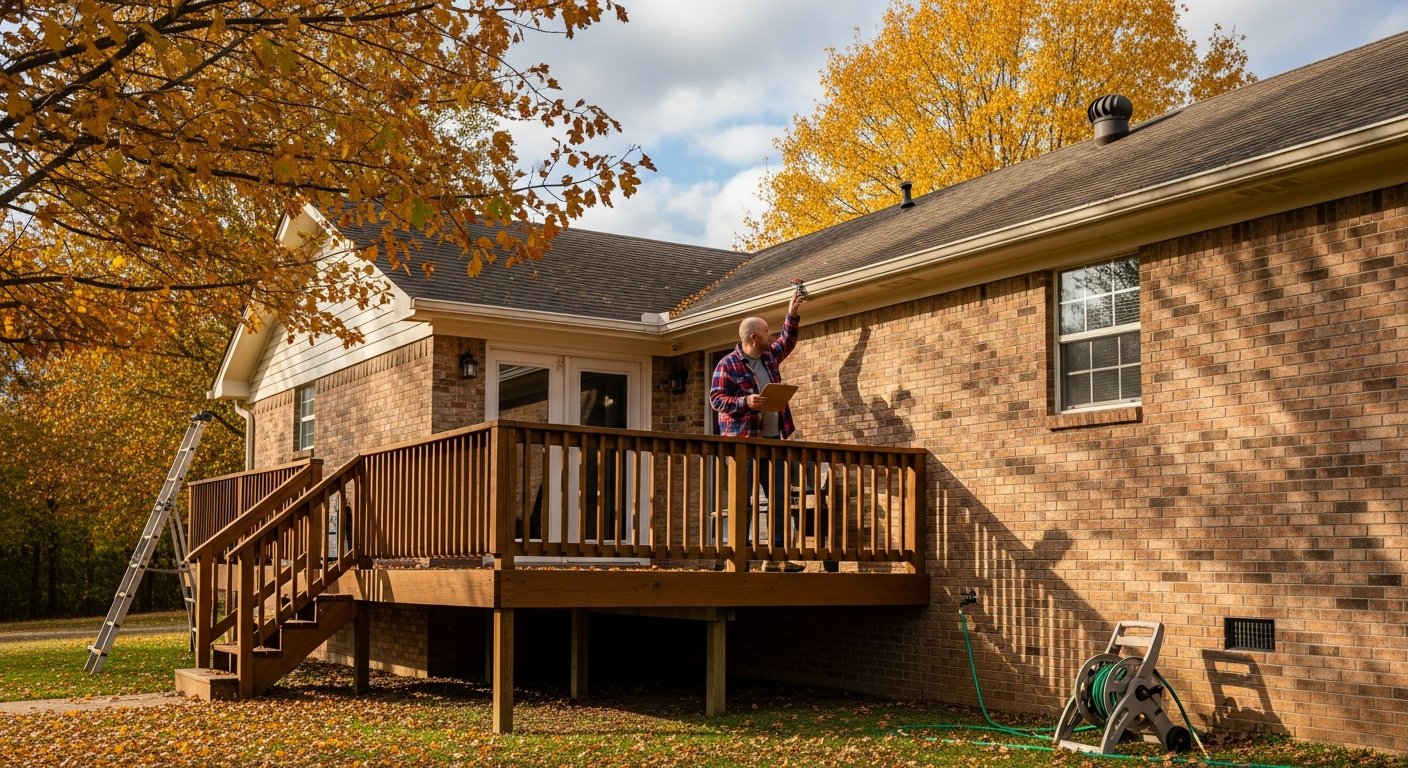
Spring is also perfect for deck and patio care. Arkansas’s freeze-thaw cycles can cause wood decks to crack or splinter. Inspect your deck for loose boards, popped nails, and signs of rot. Clean the surface with a deck cleaner and apply a fresh coat of sealant or stain if needed. If you are planning a new deck or need repairs, consider working with a local contractor who understands the local climate. For a deeper dive into decking materials, check out our guide on composite vs wood decking for Arkansas weather, which compares durability and maintenance requirements.
Finally, trim trees and shrubs away from your home. Overhanging branches can damage your roof during storms and provide a pathway for pests. Prune dead limbs before they fall. This is also a good time to inspect your home’s foundation for cracks or signs of movement. Arkansas clay soil expands when wet and contracts when dry, which can stress foundation walls. If you notice new cracks or doors that stick, consult a foundation specialist.
Summer Maintenance: Beat the Heat and Humidity
Arkansas summers are hot and humid, with temperatures often exceeding 90 degrees Fahrenheit. Your home’s cooling system and moisture control become top priorities. Start by checking your air conditioner’s refrigerant levels and cleaning the evaporator coils if needed. A system that struggles in July will cost you more in energy bills. Change filters monthly during peak usage.
Humidity is a major concern in summer. High indoor humidity can lead to mold growth, musty odors, and damage to wood furniture and flooring. Use a hygrometer to monitor indoor humidity levels. Ideally, they should stay between 30 and 50 percent. If your home feels damp, consider a whole-house dehumidifier or improve bathroom and kitchen exhaust fans. Clean dryer vents to reduce moisture and fire risk.
Summer is also the season for pests. Ants, termites, mosquitoes, and rodents are active. Seal gaps around pipes, wires, and doors. Inspect window screens for tears. Keep firewood stored away from your home’s foundation. If you suspect termite activity, schedule an inspection. Early detection can save thousands in repair costs.
Exterior and Landscape Upkeep
Your lawn and garden need attention in summer, but so does your home’s exterior. Wash siding, windows, and driveways to remove dirt and pollen. This not only improves curb appeal but also prevents staining and deterioration. Check your irrigation system for leaks or broken sprinkler heads. A small leak can waste hundreds of gallons of water.
Inspect your fence for damage. Summer storms can knock over panels or loosen posts. Arkansas’s humid climate also accelerates wood rot. Replace any rotted boards and tighten loose hardware. If your fence is leaning, it may need more than a simple repair. Addressing issues early prevents bigger problems later.
Finally, test all smoke and carbon monoxide detectors. Replace batteries if needed. Summer is also a good time to review your emergency preparedness kit. Arkansas is prone to tornadoes and severe storms, even in summer. Make sure you have flashlights, batteries, a first aid kit, and a weather radio on hand.
Fall Maintenance: Winterize and Protect
Fall is the most critical season for preventative maintenance. The work you do now determines how well your home survives winter. Start by cleaning gutters again. Falling leaves can quickly clog downspouts, leading to ice dams when temperatures drop. Install gutter guards if you have heavy tree cover. Also, ensure downspouts extend at least five feet from your foundation.
Drain and store garden hoses. Shut off outdoor faucets and install frost-proof spigots if you haven’t already. A frozen pipe can burst and cause extensive water damage. If you have a sprinkler system, have it blown out by a professional to prevent freezing. Insulate exposed pipes in crawl spaces, attics, and garages.
Fall is the time to service your heating system. Schedule a furnace inspection and replace filters. Clean the chimney if you have a fireplace. Check for cracks in the flue liner and ensure the damper operates correctly. A clean chimney reduces fire risk and improves efficiency. Also, test your carbon monoxide detector before you start using your fireplace or furnace.
Sealing and Insulation
Check weatherstripping around doors and windows. If you feel drafts, replace the seals. Caulk gaps around window frames and door trim. Proper sealing reduces heating costs and keeps your home comfortable. Inspect attic insulation and add more if it is below recommended levels. In Arkansas, attics should have at least R-38 insulation, which is about 12 to 15 inches of fiberglass or cellulose.
Inspect your roof for any damage that occurred during summer storms. Replace damaged shingles before winter. Check for signs of leaks in the attic, such as water stains or mold. Also, trim any tree branches that hang over your roof. Heavy snow or ice can cause branches to break and damage your home.
Fall is also a good time to check your home’s exterior for cracks in the foundation or siding. Seal any gaps to prevent water intrusion and pest entry. Apply a fresh coat of paint or stain to wood surfaces that show wear. This protects them from winter moisture.
Winter Maintenance: Prevent Freeze Damage and Stay Safe
Winter in Arkansas can bring freezing temperatures, ice storms, and even occasional snow. Your focus should be on preventing frozen pipes, managing ice buildup, and keeping your home safe. Keep your thermostat set to at least 55 degrees Fahrenheit, even when you are away. Open cabinet doors under sinks to allow warm air to circulate around pipes. Let faucets drip during extreme cold to relieve pressure.
Ice dams can form on your roof when heat escapes from the attic, melting snow that refreezes at the eaves. This can push water under shingles and into your home. To prevent ice dams, ensure your attic is properly insulated and ventilated. Use a roof rake to remove snow from the edges of your roof after a storm. Do not use sharp tools that could damage shingles.
Check your home’s exterior for ice buildup around windows, doors, and vents. Remove ice carefully to prevent damage. Keep walkways and driveways clear of ice and snow using sand or pet-safe deicers. This reduces slip hazards and protects concrete surfaces from freeze-thaw damage.
Indoor Systems and Safety
Winter is a good time to inspect your home’s plumbing for leaks. Check under sinks, around toilets, and near water heaters. A small drip can become a big problem if it freezes. Insulate any pipes that are still exposed. Also, test your water heater’s temperature and pressure relief valve. If it does not operate correctly, replace it.
Change your furnace filter monthly during winter. If you use a humidifier, clean it regularly to prevent mold and bacteria growth. Check for drafts around electrical outlets and switch plates on exterior walls. Install foam gaskets behind the covers to reduce heat loss.
Finally, review your emergency plan with your family. Arkansas winters can include power outages from ice storms. Have a backup heat source, such as a space heater or generator, and use it safely. Stock up on non-perishable food, water, and medications. Keep your phone charged and have a battery-powered radio for updates.
By following this seasonal home maintenance checklist Arkansas homeowners can rely on, you will protect your home from the state’s unique weather challenges. Each season brings specific tasks that, when completed consistently, prevent costly repairs and extend the life of your home. If you need help with repairs, remodeling, or new construction, the team at The Real Deal Batesville is here to assist. We serve Batesville and surrounding areas with expert craftsmanship and local knowledge. Contact us for a free estimate on your next project.