Whether it is a doorknob punch, a nail pop, or water damage from a leaky roof, holes and imperfections in drywall are an inevitable part of homeownership in Batesville, Arkansas. The humid subtropical climate of the Ozark foothills can compound these issues, causing tape to peel and joint compound to crack over time. While you may be tempted to live with these blemishes, addressing them promptly prevents further deterioration and maintains your home’s value. Fortunately, with the right approach and a few basic tools, you can achieve professional-looking results using proven DIY drywall repair techniques Batesville Arkansas homeowners rely on to restore their walls without hiring a contractor for every small job.
This guide breaks down the most common wall repairs you will encounter, providing step-by-step instructions that account for local conditions like humidity and seasonal temperature swings. From patching small nail holes to fixing larger damaged sections, you will learn exactly what materials to use and how to execute each technique. While many minor fixes are well within a homeowner’s capability, knowing when a repair has grown beyond a DIY scope is equally important. For larger projects or whole-room renovations, partnering with experienced professionals ensures a flawless finish that stands up to the Arkansas climate.
Essential Tools and Materials for Drywall Repair
Before diving into any repair, assembling the correct tools and materials saves time and frustration. The good news is that most of these items are inexpensive and available at any hardware store in Batesville. Investing in quality supplies makes a noticeable difference in the final result, especially when working with joint compound that must adhere properly in our humid environment.
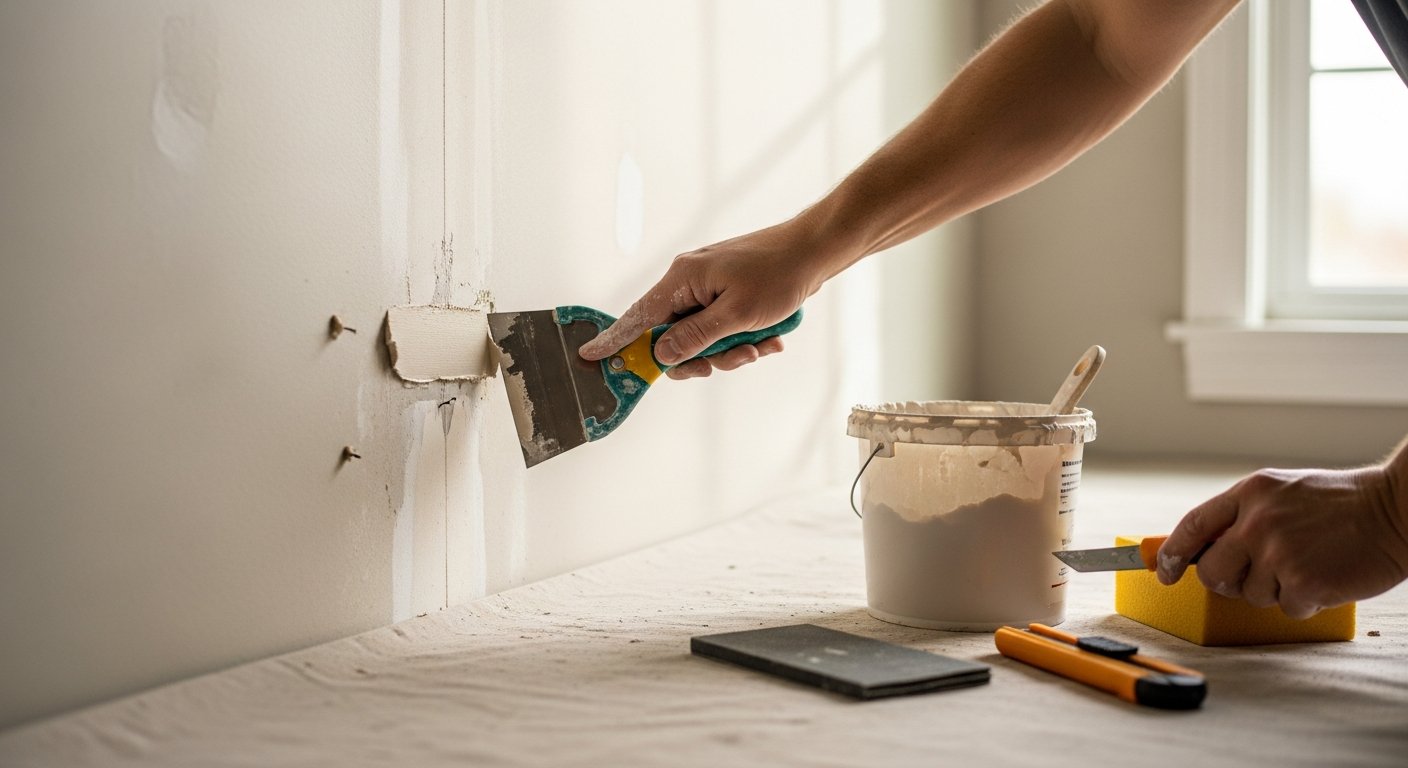
You will need a utility knife with sharp blades, a drywall saw for cutting out damaged sections, a taping knife in 4-inch and 6-inch widths, a mud pan, sanding sponge or fine-grit sandpaper, and a putty knife. For materials, keep pre-mixed joint compound (all-purpose or lightweight), drywall tape (paper or mesh), a drywall patch or scrap piece of drywall, and primer and paint that matches your existing wall color. Having a small shop vacuum nearby helps control dust, which is especially important if you have allergies or are working in a finished living space.
Repairing Small Holes and Nail Pops
Small holes from picture hangers, nails, or screws are the most common drywall issues in any Batesville home. These repairs are straightforward and require only a few minutes of work. Begin by removing any loose debris around the hole and lightly sanding the edges to create a smooth surface for the compound to grip. If a nail or screw is protruding, drive it slightly below the surface using a hammer and nail set, then dimple the paper slightly without tearing it.
Apply a thin layer of joint compound over the hole or dimple using your taping knife, feathering the edges outward to blend with the surrounding wall. Allow the compound to dry completely according to the manufacturer’s instructions (typically 24 hours in humid conditions). Apply a second thin coat, feathering even wider than the first. Once dry, sand lightly with a fine-grit sponge until smooth, then wipe away dust with a damp cloth. Prime the area before painting to prevent flashing (a shiny spot where the compound absorbs paint differently). This technique works perfectly for holes up to about half an inch in diameter.
Handling Nail Pops and Screw Pops
Nail pops occur when fasteners work loose due to wood framing shrinkage, which is common in Arkansas homes that experience significant humidity changes between seasons. To fix a nail pop, drive the protruding nail back into the stud using a hammer, then drive a drywall screw about two inches above or below the original nail to secure the panel firmly. If the nail refuses to hold, remove it entirely and use a screw instead. Cover both the old nail hole and the new screw head with joint compound using the same method described for small holes. This repair prevents the pop from recurring and keeps your walls looking smooth for years.
Patching Medium-Sized Holes With Mesh Tape
For holes between one and six inches in diameter, such as those left behind by removed outlet boxes or accidental impacts, a self-adhesive mesh patch provides the easiest solution. These patches come in various sizes and include a fiberglass mesh that adheres directly to the wall, eliminating the need for a backing piece. Clean the hole edges with your utility knife, removing any torn paper or crumbly drywall. Peel the backing off the mesh patch and center it over the hole, pressing firmly so the adhesive bonds to the wall surface.
Apply a thin layer of joint compound over the mesh using your taping knife, pushing the compound through the mesh to fill the hole beneath. Work from the center outward, feathering the edges to blend with the wall. Let this first coat dry completely (at least 24 hours in humid weather), then apply a second coat that extends about two inches beyond the first coat’s perimeter. After drying, apply a third coat if necessary to achieve a smooth finish. Sand gently between coats, wipe away dust, and prime before painting. This method creates a strong, crack-resistant repair that handles the expansion and contraction caused by Batesville’s varying indoor humidity levels.
Replacing Large Damaged Sections
When drywall damage exceeds six inches, such as from water leaks or accidental impacts, a full patch replacement offers the most durable solution. This technique involves cutting out the damaged section and installing a new piece of drywall. Use a drywall saw to cut a clean rectangular or square opening around the damage, making sure to cut back to the nearest stud on each side. Measure the opening precisely and cut a replacement piece from a scrap of drywall, ensuring it fits snugly but not tightly into the hole.
Install wooden backing strips inside the opening by screwing them to the existing drywall on both sides of the hole (or directly to the studs if they align). These strips provide a surface to attach the new patch. Place the replacement piece into the opening and secure it to the backing strips with drywall screws, sinking the screw heads slightly below the paper surface. Apply joint tape over all four seams, then cover with joint compound using a wide taping knife. You will need at least three coats, feathering each coat wider than the last, to blend the patch seamlessly with the surrounding wall. Sand, prime, and paint as with smaller repairs.
Addressing Water Damage and Moisture Issues
Batesville’s humid climate and seasonal storms make water damage a real concern for homeowners. Before repairing water-damaged drywall, you must first identify and fix the source of moisture, whether it is a roof leak, plumbing issue, or condensation problem. Allow the affected area to dry completely before beginning any repair. Use a moisture meter to confirm the drywall is dry (below 15 percent moisture content). If the drywall is soft, crumbling, or shows signs of mold, cut it out entirely and replace it with new material.
For minor water stains that have not compromised the drywall’s structural integrity, clean the area with a diluted bleach solution (one part bleach to three parts water) to kill any mold spores. Allow the area to dry thoroughly, then apply a stain-blocking primer before proceeding with standard patching techniques. Using a regular primer over water stains often results in bleed-through, where the discoloration reappears through the paint. A quality shellac or oil-based stain blocker ensures a clean surface for your repair work.
Finishing and Texturing for a Seamless Look
One of the biggest challenges homeowners face is matching the existing wall texture after a repair. Batesville homes feature a variety of textures, from smooth walls in newer constructions to orange peel, knockdown, or slap brush textures in older properties. For smooth walls, careful sanding and feathering of joint compound typically produces an invisible repair. For textured walls, you will need to replicate the pattern using specific techniques.
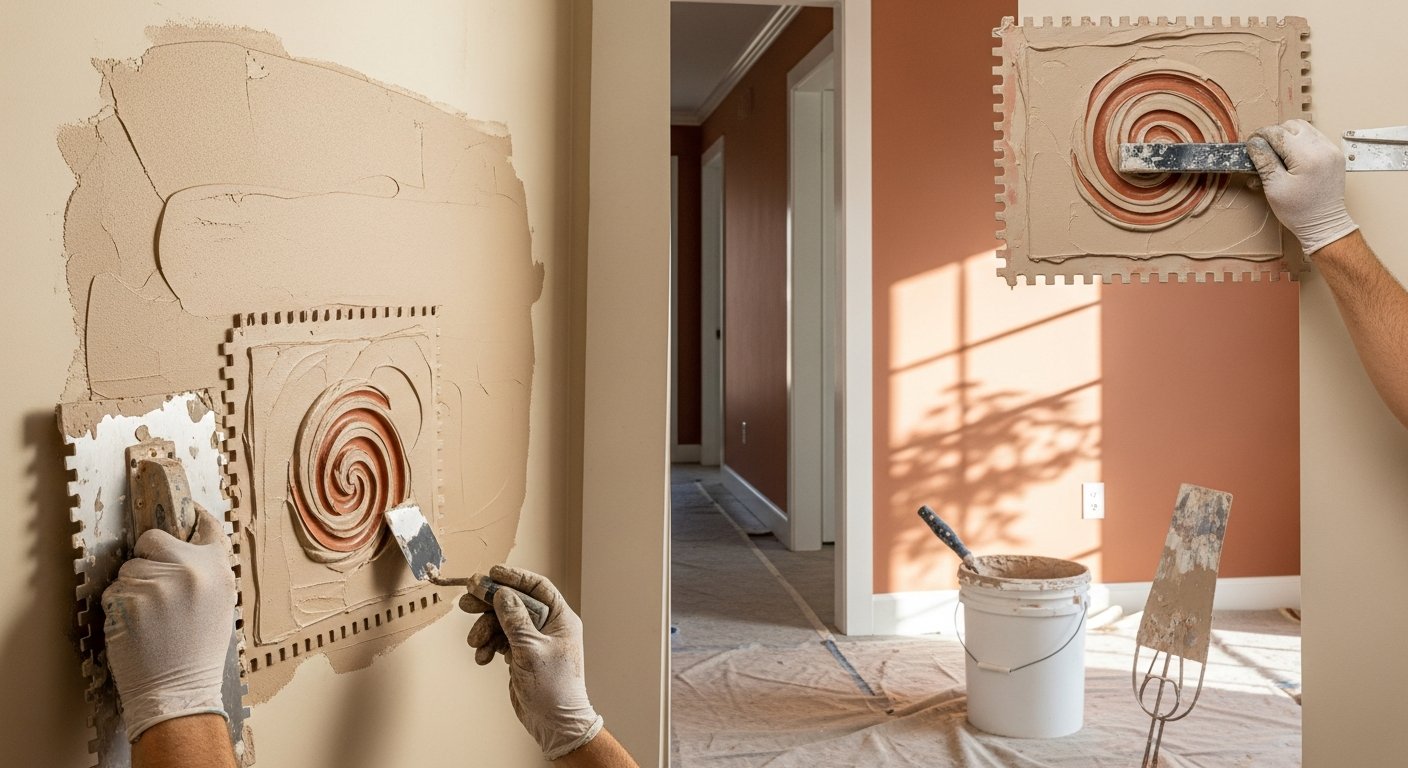
For orange peel texture, mix joint compound with water to a thin, splatterable consistency and test it on a piece of cardboard. Adjust the spray nozzle on a texture gun or use a aerosol texture can (available at hardware stores) to match the existing pattern. Practice on scrap material until you achieve the correct look, then apply to the repaired area. For knockdown texture, spray the compound, let it set for a few minutes until it loses its wet sheen, then gently knock down the peaks with a wide knife. For slap brush or stipple textures, use a stiff brush to dab and twist the compound onto the wall, matching the pattern of the surrounding area. Patience and practice are key here, but the effort pays off with a repair that disappears into the wall.
When your repair involves extensive wall damage or a large area that requires matching complex textures, the expertise of a professional becomes invaluable. For major remodeling projects or whole-room renovations, our team at The Real Deal of Batesville can handle the drywall work from start to finish, ensuring a flawless result that adds value to your home. In our guide on automated gate systems Batesville Arkansas, we explain how comprehensive home improvement projects often require coordinating multiple trades for the best outcome.
When to Call a Professional
While this article covers the most common DIY drywall repair techniques Batesville Arkansas homeowners can successfully perform, some situations demand professional attention. If you encounter damage larger than two feet square, extensive water damage affecting multiple panels, or signs of structural issues behind the drywall, it is time to call in experts. Similarly, if your home contains older drywall that may contain asbestos (common in homes built before 1980), do not disturb it without professional testing and abatement.
Professionals bring specialized tools, experience with complex textures, and the ability to blend repairs across large wall surfaces seamlessly. They also understand how Arkansas’s climate affects material performance and can recommend the best products for long-lasting results. Hiring a skilled drywall contractor saves you time, reduces waste, and often costs less than you might expect when factoring in the value of your time and the cost of trial-and-error materials.
Mastering basic drywall repair is a valuable skill for any Batesville homeowner. It allows you to maintain your home’s appearance between larger renovation projects and gives you confidence in handling everyday wear and tear. By following the techniques outlined here, using quality materials, and taking your time with each step, you can achieve repairs that look professional and stand up to the unique demands of the Arkansas climate.