Arkansas homeowners face a unique challenge when it comes to managing stormwater. Heavy spring rains, sudden summer downpours, and the occasional winter thaw can turn a traditional driveway into a river of runoff, carrying pollutants into local waterways and overwhelming drainage systems. A pervious concrete driveway offers a powerful solution that not only handles stormwater effectively but also enhances your property’s durability and value. This innovative material allows water to pass through its surface, filtering it naturally and reducing the burden on municipal infrastructure. For homeowners in Batesville and across Arkansas, understanding how pervious concrete works and why it is a smart investment can transform the way you think about your driveway.
Unlike standard concrete, which creates an impermeable surface that forces water to run off, pervious concrete is designed with a porous structure. This structure allows rainwater to seep through the pavement and into the ground below, recharging groundwater supplies and minimizing erosion. The result is a driveway that actively manages stormwater at the source, a critical benefit for properties in areas with clay soils or poor natural drainage. In our concrete driveways and sidewalks in Arkansas guide, we explain how proper material selection and installation are essential for long-lasting results. Choosing pervious concrete is a forward-thinking decision that aligns with modern environmental standards while delivering practical, everyday advantages for your home.
How Pervious Concrete Manages Stormwater in Arkansas
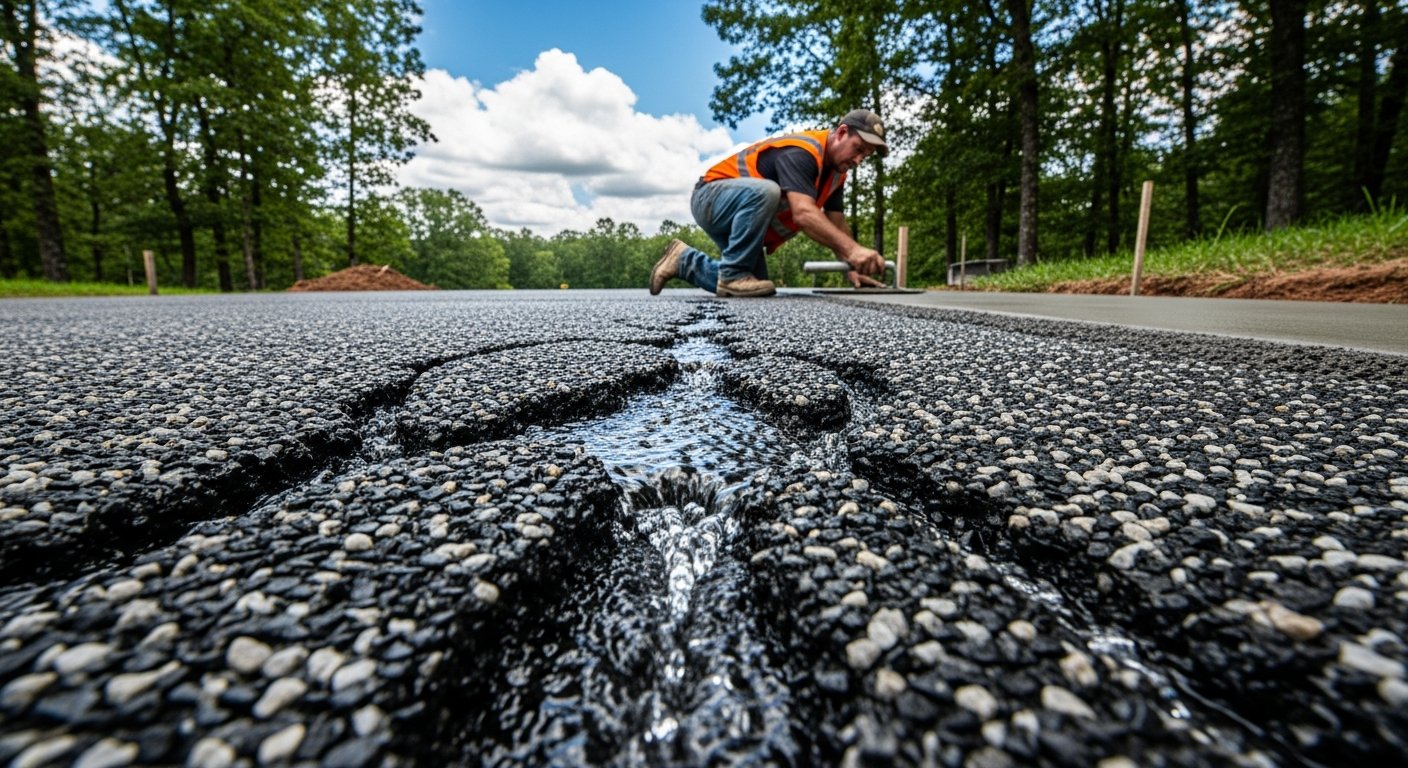
The mechanics of a pervious concrete driveway are surprisingly simple yet highly effective. The concrete mix uses a carefully controlled amount of water and cement paste to coat the aggregate, leaving interconnected voids that typically make up 15 to 25 percent of the material’s volume. These voids create a network of channels that water can flow through at rates of 3 to 8 gallons per minute per square foot, far exceeding the intensity of even the heaviest Arkansas rainstorms. As water passes through the pavement, it undergoes a natural filtration process. The underlying stone base and soil trap sediments, oils, and other pollutants, preventing them from reaching streams, rivers, and groundwater aquifers.
For Arkansas homeowners, this stormwater management capability is particularly valuable. The Natural State experiences an average annual rainfall of over 50 inches in many regions, with intense thunderstorms that can dump several inches in a single hour. Traditional driveways often channel this water directly into streets and storm drains, contributing to localized flooding and erosion. A pervious concrete driveway eliminates these issues by allowing water to infiltrate on-site. This not only protects your own property from water damage but also helps your community manage stormwater more effectively. Additionally, because the pavement absorbs sound and reduces tire spray, it creates a quieter, safer environment during wet weather. The system works best when installed with an appropriate base layer of open-graded stone that provides temporary storage and additional filtration capacity.
Key Benefits for Batesville and Surrounding Areas
Choosing a pervious concrete driveway offers a range of advantages that go beyond simple stormwater control. Homeowners in Batesville, Searcy, and throughout Independence County will find that this material addresses several common concerns associated with traditional paved surfaces. First, the porous nature of pervious concrete helps to reduce the urban heat island effect. Instead of absorbing and radiating heat like dark asphalt or standard concrete, pervious surfaces allow air to circulate through the pavement, keeping the surrounding area cooler during hot Arkansas summers. This can reduce the energy needed to cool your home and make outdoor spaces more comfortable.
Second, pervious concrete contributes to better water quality. By filtering stormwater through the pavement and subgrade, it removes up to 80 percent of suspended solids and significantly reduces levels of heavy metals, motor oil, and other contaminants. This is a direct benefit to the local environment, particularly for properties near the White River or other sensitive waterways. Third, the material can help you meet local stormwater management requirements. Many Arkansas municipalities are adopting stricter regulations for new development and redevelopment, and a pervious concrete driveway can simplify compliance. Finally, the unique texture and appearance of pervious concrete can add a distinctive aesthetic to your property. It is available in a range of colors and can be finished with exposed aggregate for a natural, decorative look that complements your landscape.
Cost and Long-Term Value Considerations
While the initial cost of a pervious concrete driveway is typically higher than that of standard concrete, the long-term value often justifies the investment. The material’s durability in Arkansas’s freeze-thaw cycles is excellent when properly designed and installed. The open void structure allows water to drain freely, preventing the freeze-thaw damage that can crack conventional concrete. This means fewer repairs and a longer service life, often exceeding 20 years with minimal maintenance. Additionally, many homeowners find that the environmental benefits and reduced stormwater management costs add to the overall return on investment. When you consider the avoided costs of drainage improvements, erosion control, and potential water damage to your foundation, the premium for pervious concrete becomes a sound financial decision.
Installation Requirements and Local Regulations
Installing a pervious concrete driveway requires specialized knowledge and techniques that differ significantly from standard concrete work. The process begins with a thorough site evaluation to assess soil type, drainage characteristics, and the depth to the water table. In Arkansas, where clay soils are common, the subgrade preparation is critical. The soil must be properly compacted and graded to ensure adequate infiltration without compromising the structural integrity of the pavement. A geotextile fabric is often placed over the subgrade to prevent fine particles from migrating into the stone base, which could clog the system over time.
The concrete mix itself must be carefully designed and tested to achieve the right balance of strength and permeability. Experienced contractors use a low-slump mix with a specific aggregate gradation to create the necessary void space. Placement and finishing also require precision. The concrete is typically spread and screeded, then compacted with a heavy roller to achieve proper density and surface level. Curing is another critical phase. Because pervious concrete has a high surface area, it can dry out quickly. The pavement must be covered with plastic sheeting and cured for at least seven days to ensure adequate strength development. Local regulations in Batesville and surrounding areas may also require permits for pervious pavement systems, especially if they are part of a larger stormwater management plan. Working with a contractor familiar with these requirements is essential for a successful project.
Maintenance and Long-Term Performance
Maintaining a pervious concrete driveway is relatively straightforward, but it does require some attention to ensure the system continues to function properly. The primary maintenance task is preventing the surface pores from becoming clogged with debris, soil, and organic matter. Regular cleaning with a vacuum sweeper or pressure washer can restore infiltration rates if they begin to decline. For most residential driveways, an annual inspection and cleaning are sufficient. It is also important to avoid sealing the surface with standard concrete sealers, which would block the pores and defeat the purpose of the system. Instead, use only sealers specifically designed for pervious concrete if sealing is necessary for aesthetic reasons.
In addition to surface cleaning, you should monitor the surrounding landscape to prevent erosion and sediment runoff onto the driveway. Keeping gutters and downspouts directed away from the pavement will help reduce the amount of organic material that lands on the surface. If you notice standing water or slow drainage after a heavy rain, it may indicate that the system needs professional cleaning or that the underlying stone base has become clogged. Most pervious concrete driveways perform reliably for decades with this simple maintenance regimen. The long-term performance is excellent in Arkansas’s climate, as the freeze-thaw resistance and durability of the material far exceed that of traditional alternatives when correctly installed.
Choosing the Right Contractor in Arkansas
Selecting an experienced contractor is the most important decision you will make when planning a pervious concrete driveway. Not all concrete contractors have the specialized training and equipment needed to install this material correctly. Look for a contractor with a proven track record of pervious concrete projects in Arkansas, particularly in areas with similar soil and climate conditions. Ask for references and visit completed installations to see the quality of their work firsthand. A reputable contractor will also handle the permitting process and coordinate with local authorities to ensure your project meets all stormwater management requirements.
When evaluating contractors, ask about their approach to subgrade preparation, mix design, and curing. They should be able to explain how they will address common challenges in Arkansas, such as clay soils and high water tables. A detailed written estimate that includes all phases of the project, from site preparation to final cleanup, is essential. The estimate should also specify the type of stone base, the thickness of the concrete, and the expected infiltration rate. By investing time in choosing the right contractor, you can ensure that your pervious concrete driveway delivers the stormwater management benefits, durability, and aesthetic appeal you expect. In Batesville and the surrounding region, working with a local expert who understands the specific needs of Arkansas homeowners will make all the difference in the success of your project.
Pervious concrete represents a smart evolution in driveway design, combining environmental responsibility with practical performance. For Arkansas homeowners dealing with heavy rainfall, clay soils, and the need for durable, low-maintenance surfaces, it offers a compelling alternative to traditional paving. By managing stormwater at the source, reducing pollution, and withstanding the state’s challenging climate, a pervious concrete driveway is an investment that pays dividends for years to come. Whether you are building a new home or upgrading an existing property, this sustainable solution deserves serious consideration. With the right planning and a skilled contractor, you can enjoy a driveway that not only looks great but actively contributes to a healthier, more resilient landscape.