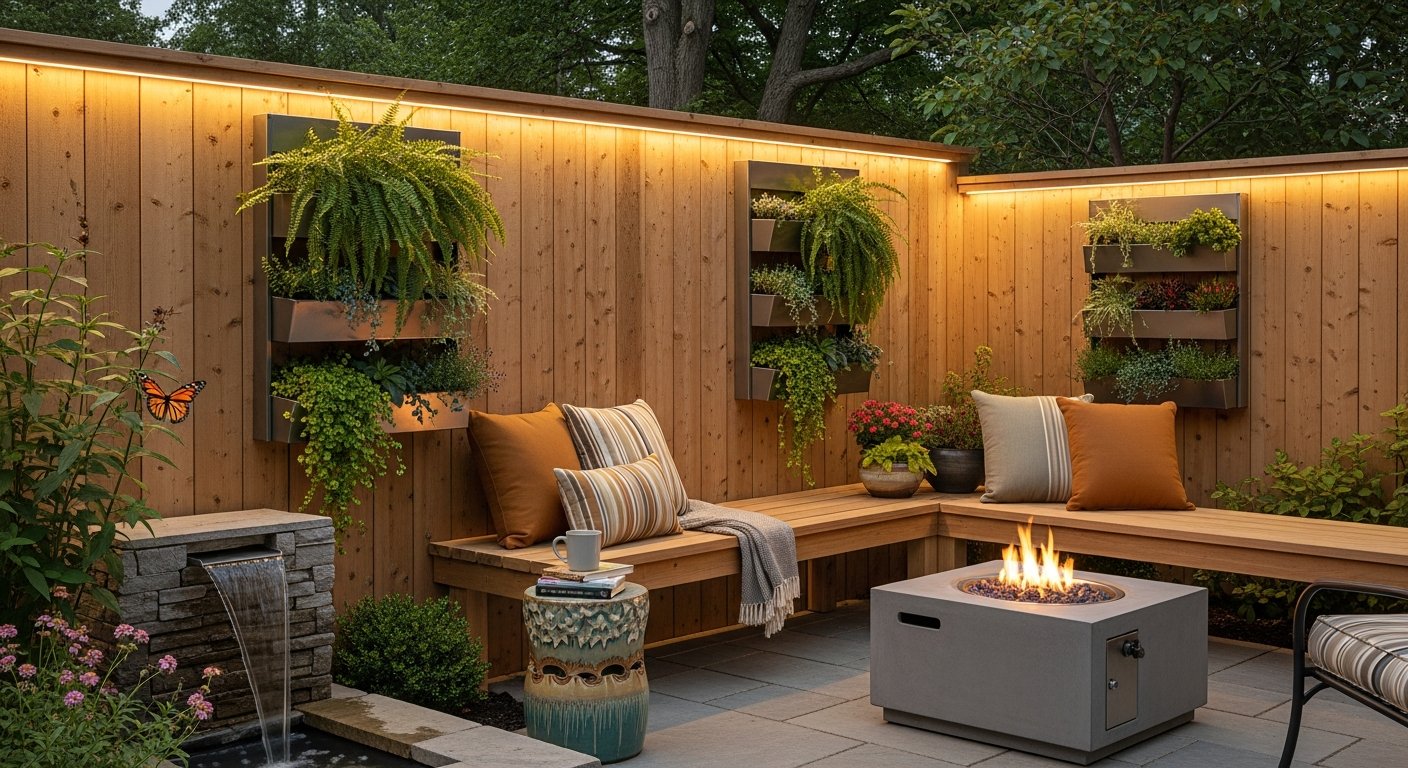
If you own a home in Batesville, Arkansas, you know that creating a private outdoor retreat is essential for enjoying the natural beauty of the Ozarks. A well-designed privacy fence does more than block the view of neighbors or the street. It defines your property line, reduces noise, and adds a layer of security that makes your yard feel like an extension of your home. Whether you are building a new fence or replacing an old one, the right design can transform your outdoor space. This guide explores the best privacy fence design ideas Batesville Arkansas homeowners are using to combine function, style, and durability.
Why Privacy Fence Design Matters in Batesville
Batesville experiences a humid subtropical climate with hot summers, chilly winters, and plenty of rainfall throughout the year. This weather directly impacts the materials and designs that work best for fences. A privacy fence in this region must withstand moisture, temperature swings, and occasional strong winds. Beyond the climate, your fence should match the architectural style of your home and the character of your neighborhood. A thoughtful design adds curb appeal and can increase your property value. When you plan your fence, consider how it will look from both the street and your backyard. The best designs create a seamless transition between your home and your landscape.
Classic Wood Privacy Fences with a Modern Twist
Wood remains the most popular material for privacy fences in Batesville. It offers a natural warmth that complements the area’s wooded landscapes and traditional home styles. However, modern wood fence designs go far beyond the standard vertical board. Homeowners are now choosing horizontal slat fences for a clean, contemporary look. This style uses wide boards placed horizontally with small gaps between them. The gaps allow a little light and air to pass through while still providing full privacy. Horizontal fences work especially well on smaller properties because they make the space feel wider.
Another popular wood design is the board-on-board style. This method alternates boards on each side of the fence rails, leaving no gaps for peeking through. It offers complete privacy and looks attractive from both sides of the fence. For a more rustic feel, consider using rough-sawn cedar or pressure-treated pine with a natural stain. Cedar naturally resists rot and insects, making it a smart choice for Arkansas humidity. You can also add a decorative cap on top of the fence posts for a finished, polished appearance. This small detail elevates the entire design and protects the post ends from water damage.
When choosing wood, always select material that is rated for ground contact. In Batesville’s climate, untreated wood can decay in just a few years. A high-quality exterior stain or paint with UV protection will extend the life of your fence significantly. Reapply the finish every two to three years to maintain its appearance and strength. For expert installation and material selection, many Batesville homeowners turn to a professional fence builder who understands local conditions. In our guide on small deck design ideas for Batesville backyards, we explain how coordinating your fence with your deck creates a cohesive outdoor living area.
Vinyl Privacy Fences for Low Maintenance
Vinyl fencing has become a top choice for Batesville homeowners who want privacy without the upkeep of wood. Modern vinyl fences are made from high-density polyethylene or PVC that resists fading, cracking, and warping. They never need painting or staining, and a simple wash with a garden hose keeps them looking new. Vinyl privacy fences come in solid panels that offer complete visual blocking. Many styles mimic the look of painted wood, with shadow boxes or board-on-board patterns molded into the material.
One of the greatest advantages of vinyl in Batesville is its resistance to moisture. Unlike wood, vinyl will not rot, splinter, or attract termites. This makes it an excellent investment for long-term homeowners who want a fence that lasts 20 to 30 years with minimal effort. Vinyl also performs well in the freeze-thaw cycles common in Arkansas winters. The material flexes slightly with temperature changes, reducing the risk of cracking. For maximum privacy, choose vinyl panels that are at least six feet tall and have no gaps between slats. You can also add lattice panels on top for extra height and decorative flair without blocking too much light.
Keep in mind that vinyl fences can cost more upfront than wood. However, the savings on maintenance and replacement often make it more affordable over the life of the fence. When installing vinyl, proper post setting is critical. The posts must be set in concrete below the frost line to prevent shifting during freeze-thaw cycles. A professional contractor will ensure your fence stays straight and stable for decades.
Composite Fencing for Durability and Style
Composite fencing combines wood fibers and recycled plastic to create a material that looks like wood but performs like vinyl. It offers the best of both worlds: the natural appearance of wood and the durability of synthetic materials. Composite fences resist rot, insects, and moisture, making them ideal for Batesville’s humid climate. They come in a range of colors, from warm cedar tones to cool grays, and many styles mimic traditional wood grain patterns.
The main benefit of composite fencing is its longevity. Most composite products come with 25-year or lifetime warranties. They will not warp, split, or fade significantly over time. Composite is also heavier than vinyl, which gives it a solid, substantial feel. This weight helps block sound more effectively, making it a great choice for homes near busy streets or noisy neighbors. The downside is cost: composite is typically the most expensive fencing material. But for homeowners who plan to stay in their home for many years, the investment pays off in reduced maintenance and replacement costs.
When designing with composite, consider combining solid panels with decorative post caps or alternating board widths for visual interest. Some composite systems offer integrated lighting options, which can add a soft glow along fence lines for evening entertaining. Always follow the manufacturer’s installation guidelines closely, as composite expands and contracts more than wood.
Metal Privacy Fences with Screen Inserts
Metal fences are typically associated with security rather than privacy, but modern designs have changed that. Aluminum and steel fences with privacy screen inserts offer a sleek, industrial look that works well with contemporary homes. These systems use vertical or horizontal metal bars with removable slats made from aluminum, PVC, or composite materials. The slats slide into the rails and can be adjusted to control the amount of light and airflow. When fully closed, they provide complete privacy.
One of the biggest advantages of metal privacy fences is their strength. They are nearly impossible to break or climb, making them excellent for security. Aluminum is lightweight and rust-resistant, which is important in Arkansas’s humid climate. Steel is stronger but requires a powder-coated finish to prevent rust. Both materials last for decades with minimal care. The privacy inserts can be replaced if they fade or get damaged, giving you the option to update the look without rebuilding the entire fence.
This style works particularly well for homes with modern or minimalist architecture. The clean lines of metal fencing complement sleek landscaping and contemporary outdoor furniture. You can also combine metal frames with wood or composite inserts for a mixed-material look that adds warmth. Because metal fences are strong, they can be built taller than wood or vinyl without additional support. This makes them ideal for properties where extra height is needed for privacy or noise reduction.
Living Privacy Fences with Natural Greenery
For homeowners who want a fence that blends into the landscape, a living privacy fence is an attractive option. This involves planting dense shrubs, trees, or hedges along the property line to create a natural barrier. Evergreen species like arborvitae, Leyland cypress, and hollies provide year-round coverage. In Batesville, native plants such as wax myrtle and eastern red cedar are excellent choices because they thrive in the local soil and climate without excessive watering.
Living fences take time to grow to full height, but they offer benefits that traditional fences cannot. They absorb sound, improve air quality, and provide habitat for birds and pollinators. A well-maintained hedge can be just as effective as a solid fence at blocking views and reducing wind. For faster results, choose fast-growing varieties like ‘Green Giant’ arborvitae, which can grow three to five feet per year. Plant them six to eight feet apart and prune them regularly to maintain a dense, uniform shape.
To combine the best of both worlds, consider a hybrid approach. Install a low metal or wood fence for structure and security, then plant climbing vines or shrubs along it. This creates a green wall that softens the hardscape and adds texture. Popular climbing plants for Arkansas include native trumpet vine, Carolina jessamine, and climbing hydrangea. Just be sure to choose plants that are not invasive and that will not damage the fence structure over time. A living fence requires regular maintenance, including watering, pruning, and fertilizing. But for many homeowners, the natural beauty is worth the extra effort.
Key Considerations Before You Build
Before you choose a design, there are several practical factors to consider. First, check the Batesville fence regulations and zoning requirements. The city has specific rules about fence height, setbacks from property lines, and materials. In most residential zones, the maximum height for a backyard privacy fence is six feet. Front yard fences are typically limited to four feet unless you obtain a variance. You may also need a building permit before construction begins. Working with a local contractor who knows the codes can save you time and prevent costly mistakes.
Second, think about your neighbors. A solid six-foot fence can create a wall between properties, which may cause friction. Before building, talk to your neighbors about your plans. You might agree on a design that benefits both of you, such as sharing the cost of a fence that looks good on both sides. Some fence styles, like board-on-board or shadow box, are designed to be attractive from both sides.
Third, plan for gates and access points. A privacy fence should have at least one gate for entering the backyard. Consider double gates for wider access if you need to bring in lawn equipment, building materials, or a vehicle. Gate hardware should be heavy-duty and rust-resistant. Automatic gate openers are also an option for convenience and added security. For more on this, read our article on automated gate systems in Batesville.
Finally, budget for the long term. The cheapest fence is not always the most affordable when you factor in maintenance and replacement costs. A quality fence built with durable materials and proper installation will serve you well for 20 years or more. Get multiple quotes from reputable contractors and ask for references. Look for a company that specializes in fence building and has experience with local conditions.
To summarize the main design options, here is a quick comparison of the most popular privacy fence materials used in Batesville:
- Wood: Classic appearance, moderate cost, requires regular staining or sealing. Best for traditional homes and those who enjoy maintenance.
- Vinyl: Low maintenance, excellent moisture resistance, higher upfront cost. Ideal for homeowners who want durability without upkeep.
- Composite: Natural wood look with synthetic durability, highest cost, long warranty. Perfect for those who want premium performance and aesthetics.
- Metal with inserts: Strongest option, modern look, very low maintenance. Suitable for security-conscious homeowners or contemporary architecture.
- Living fence: Eco-friendly, natural beauty, requires regular care. Great for homeowners who prioritize landscaping and sustainability.
Each material has its strengths, and the right choice depends on your priorities. Think about how much time you want to spend on maintenance, what style matches your home, and how long you plan to stay in the house. A professional contractor can help you weigh these factors and recommend the best solution for your specific property.
Your privacy fence is a long-term investment in your home’s comfort, value, and appearance. By choosing a design that suits the Batesville climate and your personal taste, you will create a backyard oasis where you can relax, entertain, and enjoy the outdoors with complete peace of mind. Whether you select the warmth of wood, the ease of vinyl, or the strength of metal, the right fence will serve you well for years to come. Take your time, do your research, and work with a trusted local builder to bring your vision to life.