Planning a new fence for your Batesville property involves more than choosing a style and calling a contractor. Local ordinances govern exactly how tall your fence can be, how far it must sit from property lines, and which materials are acceptable. Ignoring these rules can lead to fines, forced removal, or disputes with neighbors. This guide breaks down the essential Batesville fence regulations height setbacks materials requirements so you can build with confidence and avoid costly mistakes.
Understanding Batesville’s Zoning Code for Fences
The City of Batesville enforces a unified development code that applies to all residential and commercial properties within city limits. These regulations exist to maintain neighborhood character, ensure safety, and protect property values. The code addresses three primary dimensions: maximum fence height, minimum setback distances from property lines, and approved construction materials. Before you purchase materials or dig post holes, you need to verify how these rules apply to your specific lot.
Batesville’s zoning classifications matter because rules differ between residential districts, commercial zones, and historic districts. A standard residential lot in an R-1 district follows different height limits than a property zoned for mixed use. Your property’s zoning designation is recorded on your deed or available through the Batesville Planning Department. Always confirm your zoning before finalizing plans, as a mistake at this stage can derail the entire project.
The code also distinguishes between front yards, side yards, and rear yards. A fence along the front property line typically faces stricter height limits than a fence in the backyard. This distinction often surprises homeowners who assume one height applies everywhere. Understanding these nuances early saves time and prevents the frustration of building a fence that must later be modified or removed.
Maximum Fence Height Limits in Batesville
Height restrictions are among the most commonly enforced fence regulations in Batesville. For residential properties, the standard maximum height for a fence in a front yard is four feet. This limit ensures that fences do not obstruct sight lines for drivers or create a closed-off appearance along public streets. In rear and side yards, the maximum height typically increases to six feet, allowing for privacy without overwhelming neighboring properties.
Corner lots face additional height restrictions near intersections. A fence that exceeds three feet within a specified triangular sight zone can create a dangerous blind spot. The Batesville code requires that fences within this visibility triangle remain low enough to allow drivers and pedestrians to see approaching traffic. Your contractor should measure these sight lines during the planning phase to ensure compliance.
Properties zoned for commercial or industrial use may qualify for taller fences, sometimes up to eight or ten feet, depending on the specific use and location. However, these exceptions require special approval and often involve additional setback requirements. If you are building a fence for a business, check with the planning department before assuming higher limits apply. A local fence builder familiar with Batesville fence regulations height setbacks materials can help navigate these nuances.
Setback Requirements for Fence Placement
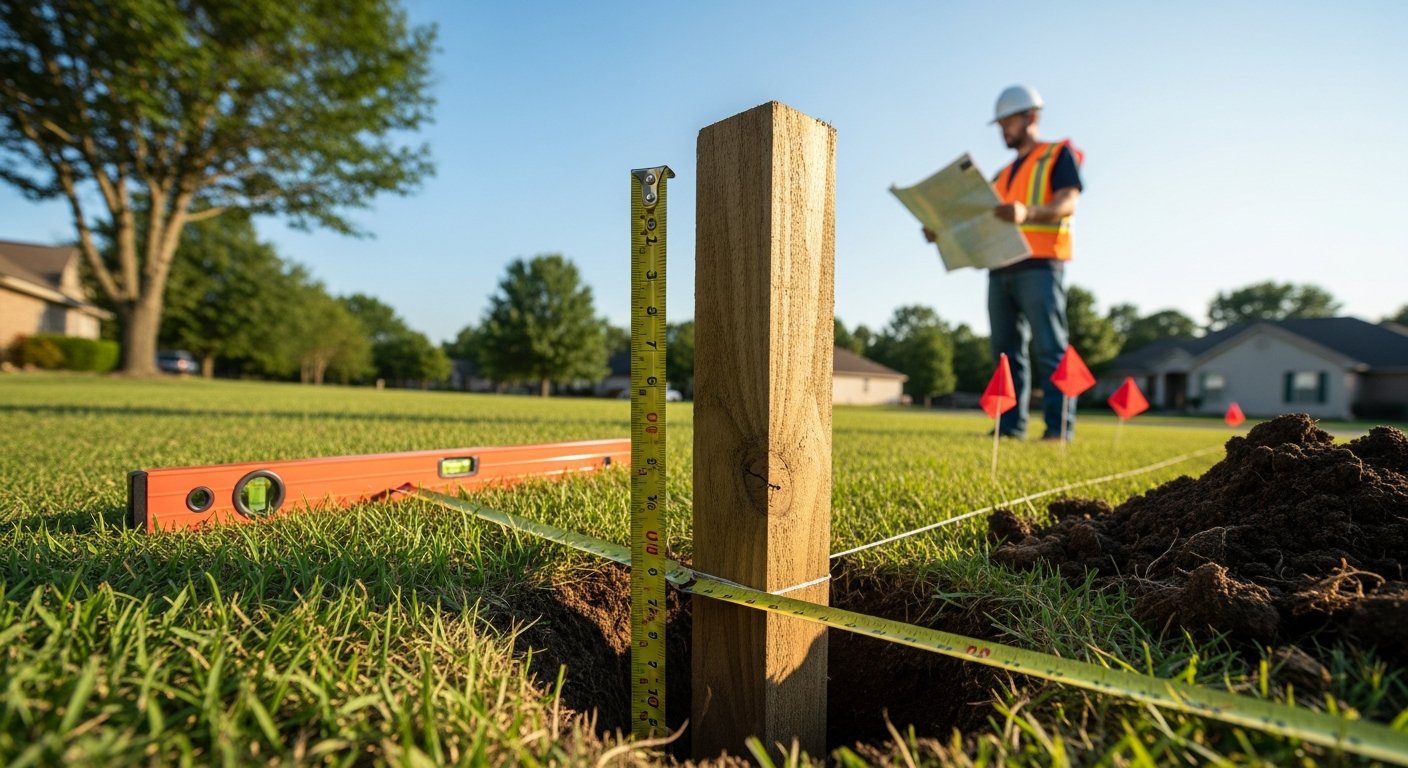
Setbacks refer to the minimum distance a fence must be placed from property lines, easements, and structures. In Batesville, most fences must be set back at least two to three feet from the property line. This setback prevents the fence from encroaching on neighboring land and provides access for maintenance. Some homeowners mistakenly believe they can build directly on the property line, which often leads to disputes and legal orders to relocate the fence.
Utility easements present another critical consideration. These easements, typically running along property lines or through backyards, grant utility companies the right to access underground lines. Building a fence across an easement without permission can result in the fence being removed at your expense if repairs are needed. Contact your local utility providers or check your property survey to identify easement locations before breaking ground.
Corner lots and properties with irregular boundaries may require a survey to establish exact setback distances. An outdated survey or reliance on visible markers like driveways can lead to errors. Hiring a licensed surveyor provides certainty and protects you from costly corrections later. When you work with a professional contractor, they typically review your survey and handle setback compliance as part of their service.
Permits and Approval Process
Batesville requires a building permit for most fence installations, including new construction and replacement of existing fences. The permit application must include a site plan showing the fence location, dimensions, and materials. You will also need to submit proof of property ownership and, in some cases, written consent from adjoining neighbors. The permit fee is modest compared to the cost of removing a noncompliant fence, making it a worthwhile investment.
The review process typically takes one to two weeks, depending on the complexity of your project and current workload at the planning department. During this time, officials verify that your proposed fence meets all Batesville fence regulations height setbacks materials standards. Once approved, you receive a permit card that must be displayed on site during construction. Failure to obtain a permit before building can result in stop-work orders and double permit fees.
After installation, some projects require a final inspection to confirm compliance. The inspector checks fence height at multiple points, measures setbacks, and verifies that materials match the approved plan. This inspection protects you from liability if a future property dispute arises. Keep your permit and inspection records with your property documents for reference when selling your home.
Approved Materials and Construction Standards
The Batesville code specifies acceptable fence materials to ensure durability, safety, and aesthetic consistency. Common approved materials include pressure-treated wood, cedar, vinyl, aluminum, and wrought iron. Chain-link fences are typically permitted for rear and side yards but may be restricted in front yards or historic districts. The code prohibits materials that appear temporary or unsafe, such as pallets, corrugated metal, or unsecured wire.
Material restrictions also address the finished side of the fence. In most residential zones, the finished or decorative side must face outward toward neighbors and streets. This rule prevents the structural framework and exposed posts from facing public view. Vinyl and aluminum fences naturally meet this requirement, while wood fences require careful installation to orient the finished side correctly.
Structural standards ensure your fence can withstand Batesville’s wind and weather conditions. Posts must be set in concrete below the frost line, typically 24 to 30 inches deep. Rail and picket spacing must comply with safety codes to prevent gaps that could trap children or pets. Gates must swing properly and include latching mechanisms that meet building code requirements. A professional fence builder ensures these details are handled correctly.
For a detailed comparison of popular fencing materials and how they perform in the Arkansas climate, see our guide on wood vs vinyl vs aluminum fence options for Batesville. That resource covers cost, maintenance, and longevity for each material type.
HOA and Neighborhood Covenants
Even if your fence complies with city codes, your homeowners association or neighborhood covenant may impose stricter rules. Many subdivisions in and around Batesville enforce architectural guidelines that limit fence colors, materials, and heights below the city maximums. These covenants are legally binding and can be enforced through fines or legal action. Always review your HOA documents before submitting a city permit application.
If your neighborhood lacks an HOA, you still must consider neighbor relations. A fence that blocks a neighbor’s view, shades their garden, or extends beyond an agreed boundary can lead to conflict. While the city code provides minimum standards, discussing your plans with adjacent property owners is a practical step that prevents disputes. A simple conversation often resolves concerns before they escalate.
Special Considerations for Corner Lots and Sloped Properties
Corner lots require extra planning due to visibility requirements. The fence height near the street intersection must remain low enough to maintain a clear sight triangle. In Batesville, this often means the first 10 to 15 feet of fence along each street must be three feet or lower. The remaining fence can step up to the standard height once past the visibility zone. This stepped design can be incorporated aesthetically with thoughtful planning.
Sloped properties present another challenge because fence height is measured vertically from the ground surface. On a slope, a six-foot fence measured from the high side may be nine feet tall on the low side. The code typically requires that the fence height not exceed the maximum at any point along its length. This may require terracing the fence or using stepped panels that follow the grade. A skilled contractor calculates these measurements to keep your fence compliant on uneven terrain.
Working With a Local Contractor
Hiring a Batesville-based contractor who understands local codes is the most reliable way to ensure compliance. A reputable builder pulls the necessary permits, schedules inspections, and handles setback measurements. They also know which materials perform best in the local climate and which suppliers offer code-compliant products. Attempting a DIY fence without understanding Batesville fence regulations height setbacks materials can lead to expensive rework.
When vetting contractors, ask for references from recent fence projects in your neighborhood. A contractor familiar with local zoning can often identify potential issues during the free estimate. They should provide a detailed contract that includes permit fees, material specifications, and a timeline. Avoid contractors who suggest skipping the permit process, as this puts you at risk for fines and liability.
Once your fence is installed, maintain it according to manufacturer recommendations and local codes. Wood fences require periodic sealing or staining to prevent rot. Vinyl and aluminum fences need occasional cleaning to remove dirt and mildew. A well-maintained fence not only looks better but also retains its structural integrity, keeping you in compliance with safety standards for years to come.
Building a fence in Batesville is a straightforward process when you start with the right information. By understanding height limits, setback distances, and material requirements, you can create a fence that enhances your property while respecting neighborhood standards. Partner with a local contractor who knows the code inside and out, and your project will proceed smoothly from permit to final inspection.