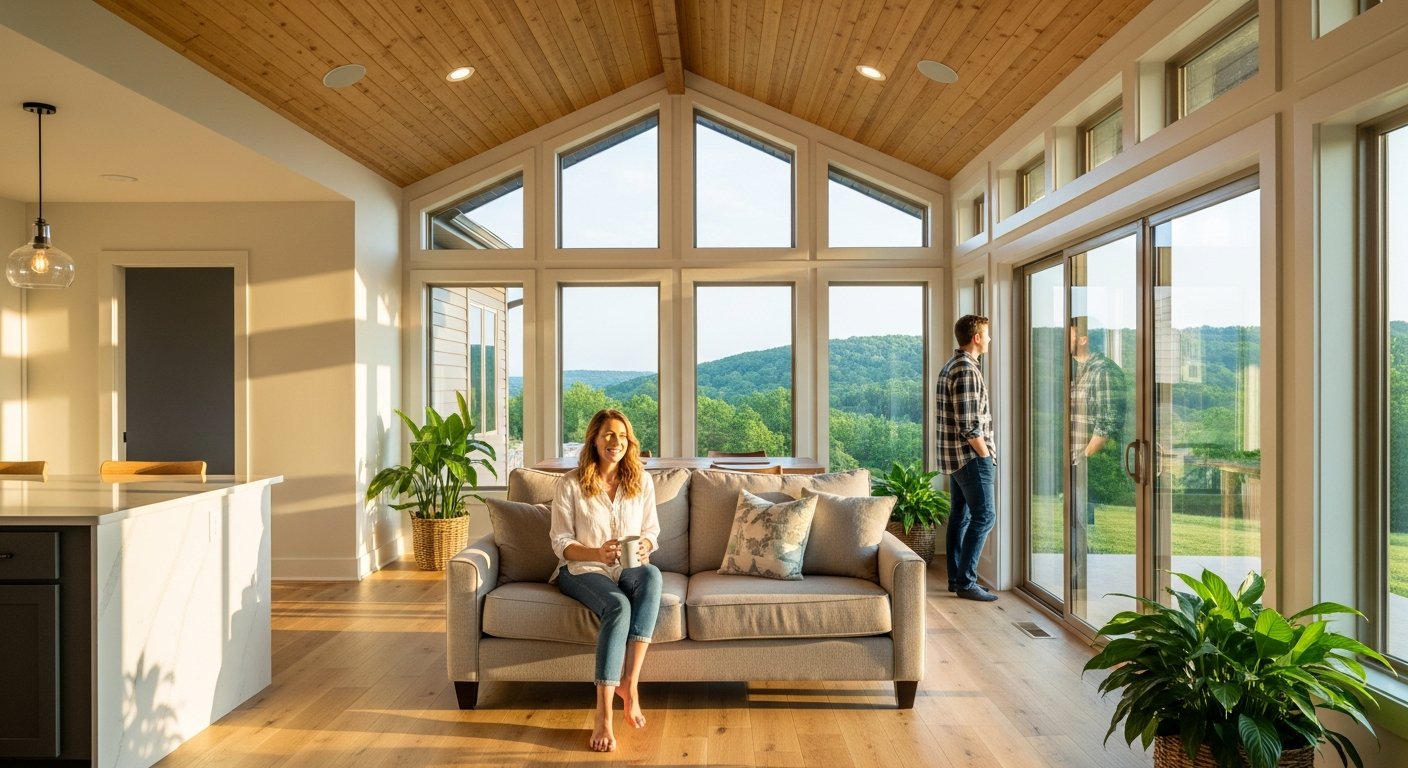
Standing in your Batesville home, you can picture exactly what that extra space would look like. Maybe it is a sunlit family room for holiday gatherings, a quiet home office away from the kitchen chaos, or a main-floor bedroom for an aging parent. The vision is clear, but the path from idea to finished room is filled with questions. How much will this cost? How long will it take? Who can you trust to build it right? Planning a home addition in Batesville requires balancing three critical elements: a realistic budget, a workable timeline, and a skilled contractor. When these pieces align, your dream space becomes a stress-free reality. This guide walks you through each step of home addition planning budget timeline contractor Batesville so you can move forward with confidence.
Establishing Your Home Addition Budget in Batesville
Before you sketch floor plans or interview builders, you need a clear picture of your finances. A home addition is a major investment, and the cost in Batesville depends on several factors. Square footage is the biggest driver. Most local additions range from $100 to $250 per square foot, though custom finishes and complex layouts push that number higher. A simple 200-square-foot bump-out costs less than a full two-story extension.
Beyond the basic construction, your budget must account for permit fees, architectural drawings, engineering reports, and utility connections. Many homeowners forget these line items and face sticker shock later. Here are the key cost categories to include in your home addition planning budget timeline contractor Batesville spreadsheet:
- Design and Permits: Architectural plans, structural engineering, and city permit fees can total $2,000 to $8,000 depending on project complexity.
- Site Preparation: Grading, tree removal, and foundation excavation may add $3,000 to $12,000.
- Structural Work: Foundation, framing, and roofing form the skeleton of your addition and often represent 40 to 50 percent of the total cost.
- Interior Finishes: Flooring, drywall, paint, trim, and cabinets vary widely but typically run $30 to $80 per square foot.
- Mechanical Systems: Extending HVAC, plumbing, and electrical lines can cost $5,000 to $15,000 or more.
A contingency fund of 10 to 20 percent of your total budget is essential. Unexpected issues like hidden rot, outdated wiring, or weather delays are common in renovation projects. Setting aside this cushion ensures you do not have to compromise on quality or pause construction mid-project. For a deeper look at local permit requirements and fee structures, review our guide on home addition permits in Batesville, Searcy, and Melbourne.
Setting a Realistic Timeline for Your Addition
Time is just as important as money when planning a home addition. A realistic timeline prevents frustration and helps you coordinate your family’s schedule around the construction. Most standard home additions in Batesville take three to six months from permit approval to final inspection. Complex projects with custom elements or structural changes can stretch to eight months or longer.
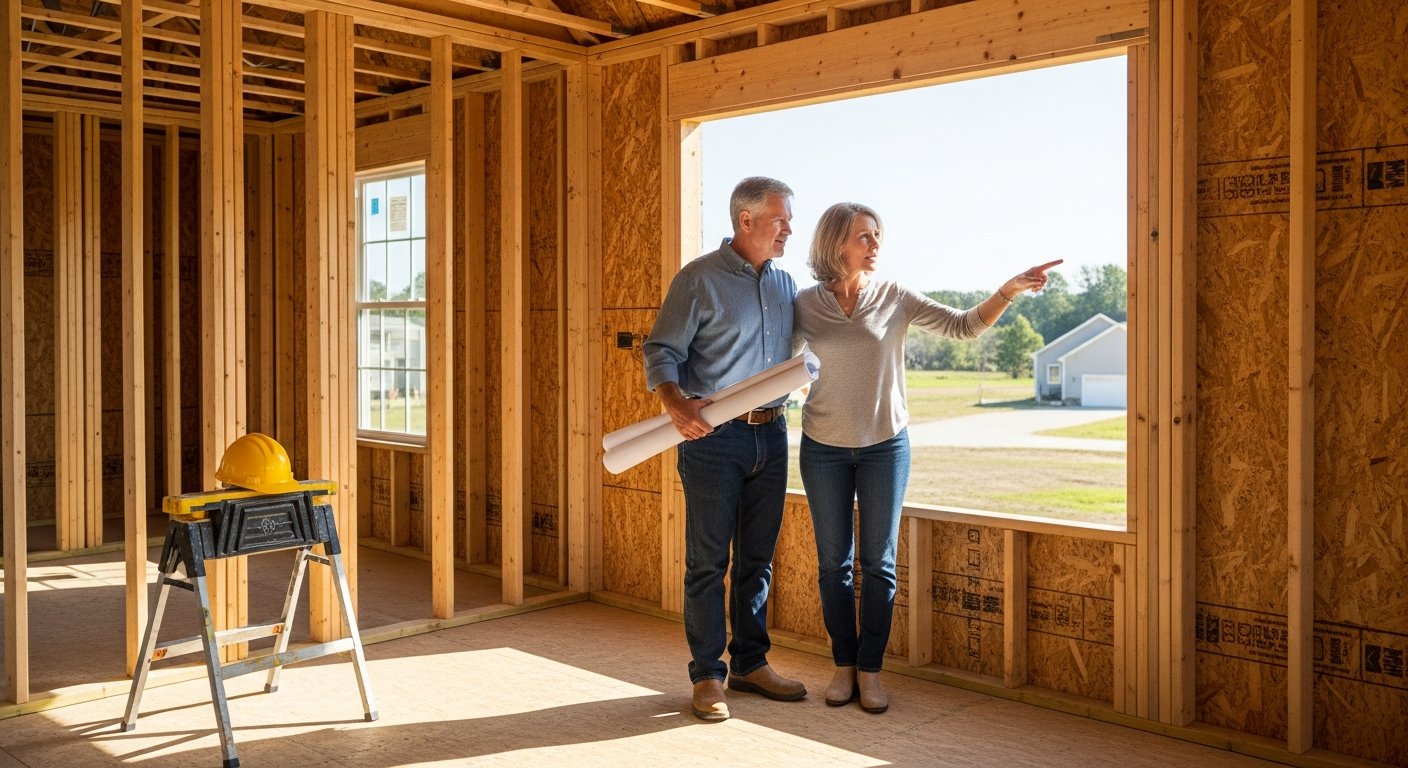
The timeline breaks down into distinct phases. The design and permitting stage typically takes four to eight weeks. This includes finalizing your floor plan, getting structural calculations, and submitting documents to the Independence County building department. Once permits are issued, foundation work begins. Concrete needs time to cure properly, which adds about a week to the schedule. Framing follows and usually takes two to four weeks depending on the size of the addition.
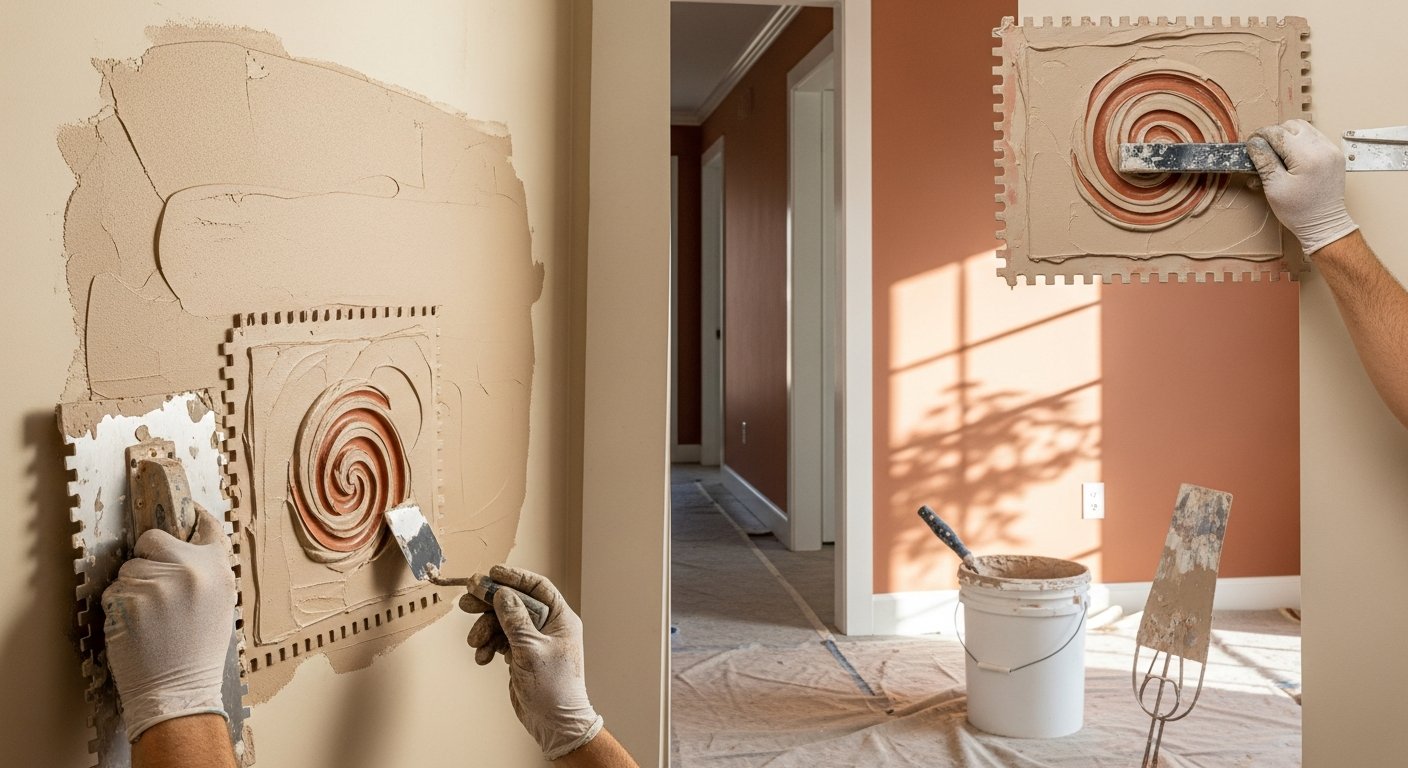
After the structure is enclosed, mechanical rough-ins for plumbing, electrical, and HVAC happen next. This phase requires careful coordination among trades. A delay with one subcontractor can ripple through the entire project. Insulation, drywall, and interior finishes take another four to six weeks. Final touches like trim, paint, flooring, and fixture installation wrap up the project. Weather can also impact the schedule, especially during Arkansas winters or heavy spring rains. Building a few extra weeks into your timeline accounts for these variables and keeps your home addition planning budget timeline contractor Batesville on track.
Choosing the Right Contractor for Your Batesville Project
Your contractor is the single most important factor in a successful home addition. A skilled, reliable builder keeps the project on budget, on time, and up to code. In Batesville, you have options ranging from solo general contractors to full-service construction firms. The key is finding someone who specializes in home additions and understands local building requirements.
Start by asking for recommendations from neighbors, friends, or local real estate agents. Look for contractors with a proven track record in Independence County. Check their license and insurance status with the Arkansas Contractors Licensing Board. A licensed contractor carries bonding and workers’ compensation, which protects you if something goes wrong on the job site. Ask for references from recent home addition projects and call those homeowners. Ask about communication, adherence to budget, and how the contractor handled unexpected issues.
When you interview potential contractors, request a detailed written estimate. The estimate should break down costs for materials, labor, permits, and overhead. Avoid contractors who give vague quotes or demand a large upfront payment. A reputable builder will ask for a down payment of 10 to 25 percent, with progress payments tied to completed work. Your contract should include a clear scope of work, payment schedule, start and completion dates, and a process for handling change orders. Change orders are inevitable in most additions, so having a written procedure prevents misunderstandings and cost overruns.
Integrating Budget, Timeline, and Contractor Selection
The three pillars of home addition planning budget timeline contractor Batesville are not separate tasks. They influence each other at every stage. Your budget determines the realistic timeline because a lower budget may require you to phase the project or choose less expensive materials that take longer to source. Your contractor’s availability affects the timeline, and their expertise impacts the budget through accurate estimates and efficient work.
A common mistake is hiring a contractor based solely on the lowest bid. A very low estimate often means the builder cut corners on materials, omitted important line items, or lacks experience with similar projects. The result is change orders that push your total cost above higher initial bids. Instead, compare bids based on scope, quality of materials, and the contractor’s reputation. Paying a fair price for a skilled professional saves money in the long run by avoiding delays and rework.
Communication is the glue that holds these elements together. Schedule regular check-ins with your contractor, preferably weekly, to review progress, address questions, and adjust the schedule if needed. Keep a project notebook with receipts, permits, and correspondence. This documentation helps you track spending and resolve any disputes quickly. When you treat your contractor as a partner rather than a vendor, the entire process runs more smoothly.
Managing the Construction Phase
Once permits are in hand and the contract is signed, construction begins. This phase is exciting but disruptive. Your family will deal with noise, dust, and limited access to parts of your home. Preparing for these inconveniences makes the experience much more tolerable. Set up a temporary living area away from the construction zone. Communicate with your contractor about work hours, parking, and waste disposal. Most Batesville contractors work Monday through Friday, but some offer weekend hours for specific tasks.
Stay involved without micromanaging. Visit the job site regularly to see progress and ask questions. Trust your contractor’s expertise on technical decisions, but speak up if something does not match your plan. Small issues caught early are easy to fix. Problems that go unaddressed for weeks can become expensive and time-consuming. Keep your change order log handy. If you decide to move a window or upgrade a light fixture, document the change in writing and agree on the cost adjustment before work begins.
Inspections are a critical part of the process. Your contractor will schedule inspections at key milestones: foundation, framing, mechanical rough-ins, and final completion. The inspector checks that the work meets Arkansas building codes and your permit requirements. Pass each inspection before moving to the next phase. If an inspection fails, work with your contractor to correct the issue promptly. A failed inspection is not a disaster, but it does add time and cost if not handled quickly.
Final walkthroughs are your chance to ensure everything is complete and correct. Walk through the addition with your contractor, checking every detail from light switches to caulking. Make a punch list of items that need adjustment or finishing. Most contractors will address punch list items within a week or two. Once the list is complete, you make the final payment and receive warranty information for materials and workmanship.
Adding space to your Batesville home is one of the most rewarding investments you can make. It increases your property value, improves your daily life, and adapts your home to your family’s changing needs. By following a structured approach to home addition planning budget timeline contractor Batesville, you minimize stress and maximize the quality of the finished space. Take the time to research, plan thoroughly, and choose a contractor who shares your vision. Your new room will be worth every thoughtful step you take today.