Building a privacy fence in Batesville can transform your backyard into a secluded retreat, but the project must start with a clear understanding of local rules. Many homeowners focus on materials and style first, only to discover that height limits or setback requirements force a redesign. By learning the regulations upfront and pairing them with creative design choices, you can install a fence that is both compliant and beautiful. This guide walks through the essential Batesville privacy fence regulations design ideas so you can plan with confidence and avoid costly mistakes.
Understanding Batesville Zoning Rules for Privacy Fences
The City of Batesville enforces specific zoning codes that govern fence construction on residential properties. These rules exist to maintain neighborhood aesthetics, ensure safety, and protect property lines. Before you purchase materials or call a contractor, review the city’s Unified Development Code, which outlines the key restrictions you must follow.
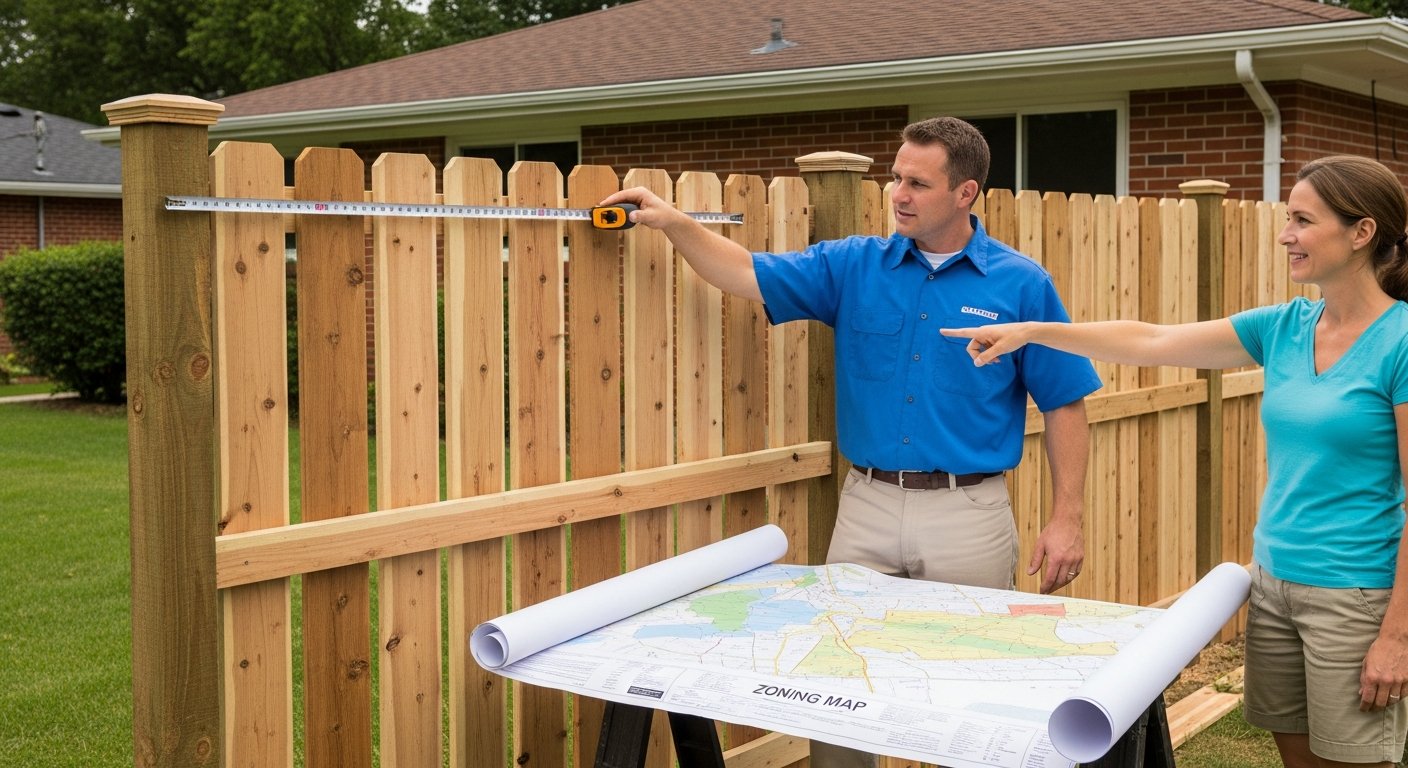
Height is the most common regulation homeowners encounter. In most residential zones, a privacy fence in the backyard can reach six feet tall. Front yard fences, however, are typically limited to four feet to preserve sight lines for drivers and pedestrians. Corner lots often have additional restrictions that prevent obstructions near intersections. Always verify your property’s specific zoning district, as some areas may have unique allowances or stricter limits. For a deeper look at the official requirements, refer to our detailed breakdown in Privacy Fence Regulations in Batesville AR: Zoning Guide, which covers permits, property line setbacks, and HOA rules in full.
Setback requirements also play a major role. Most fences must be placed at least six inches inside the property line, though some lots require a full foot. Building directly on the line can lead to disputes with neighbors or even a forced removal. A professional survey is a wise investment before digging post holes. Additionally, fences cannot block drainage patterns or create water pooling on adjacent lots. The city may inspect for these issues during the permit process, so planning for proper water flow is essential.
Permit Process and Required Approvals
Obtaining a building permit is a straightforward step that many Batesville homeowners can handle themselves. The city’s planning department requires a completed application, a site plan showing the fence location, and a modest fee. The site plan does not need to be professionally drafted, but it must include accurate measurements from the house and property boundaries. Processing usually takes one to two weeks, so factor that time into your project schedule.
Some neighborhoods have homeowners associations that enforce stricter standards than the city code. If you live in an HOA community, review the covenants, conditions, and restrictions before applying for a city permit. These documents may dictate fence materials (such as prohibiting chain link), color palettes, or even the finished side orientation. Ignoring HOA rules can result in fines or a requirement to tear down and rebuild. A quick conversation with your HOA board can save significant frustration later.
Working with a local contractor who has experience with Batesville’s permitting process can streamline the entire approval phase. They know which details the city inspectors look for and can help avoid common application mistakes. This expertise is especially valuable if your property has unusual features like easements, steep slopes, or shared driveways that complicate standard setback rules.
Design Ideas That Work Within the Rules
Once you understand the regulatory framework, the fun part begins: choosing a design that complements your home and meets your privacy needs. The six-foot height limit in backyards is generous enough for most homeowners to achieve true seclusion. Here are several design approaches that work well within Batesville’s codes while delivering maximum privacy and curb appeal:
- Board-on-board fencing: Alternating pickets on both sides of the rails eliminate gaps, creating a solid barrier from any angle. This classic style provides complete privacy and looks finished from both sides, which is important if the fence faces a neighbor’s yard.
- Louvered or shadowbox designs: Angled slats allow airflow while blocking direct sight lines. This style works well in Batesville’s humid climate because it reduces wind load and resists moisture buildup compared to solid panels.
- Mixed material fences: Combining horizontal cedar planks with metal posts or stone pillars adds modern character. The sturdy base meets height requirements while the varied textures create visual interest that stands out from standard vertical fences.
- Privacy lattice toppers: If you want extra height without violating the six-foot limit, consider adding a decorative lattice panel as a topper. Some codes allow this if the lattice is open enough to not count as solid fencing, but verify with the city before installation.
Each of these options can be customized with stain colors, post caps, and gate styles that match your home’s architecture. A well-designed fence should feel like a natural extension of the house rather than an afterthought. Consider how the fence will look from the street, from your windows, and from your neighbor’s perspective. A cohesive design adds value to your property and improves relationships with those next door.
Material Selection for Arkansas Climate
The materials you choose directly affect how long your fence lasts and how much maintenance it requires. Batesville experiences hot, humid summers, freeze-thaw cycles in winter, and frequent rain throughout the year. Not all fencing materials handle these conditions equally well. Pressure-treated pine is the most common choice for local fences because it resists rot and insects at a reasonable cost. With proper staining or sealing every two to three years, a pine fence can last 15 to 20 years.
Cedar is another popular option that offers natural decay resistance and a rich appearance. It costs more than pine but requires less frequent maintenance and ages gracefully to a silver-gray patina. For homeowners willing to invest upfront, cedar provides a longer service life and a higher-end look that increases curb appeal. Vinyl fencing has gained traction in recent years due to its zero-maintenance appeal. It does not rot, warp, or need painting. However, vinyl can become brittle in extreme cold and may crack if hit by debris. Choose thick, UV-stabilized panels to minimize these risks in Arkansas weather.
Metal fences, such as aluminum or wrought iron, offer durability but limited privacy unless combined with slats or climbing plants. They work best for front yards or as accent sections where visibility is desired. Composite materials blend wood fibers with recycled plastic, offering a middle ground between wood and vinyl. They resist moisture and insects but can fade in direct sunlight. Whichever material you select, ensure it meets the city’s code and any HOA restrictions before committing to a full installation.
Working With a Local Contractor for Best Results
Hiring a fence builder who knows Batesville’s regulations and soil conditions can save you time, money, and headaches. Local contractors have established relationships with the city planning department and understand the nuances of the permit process. They also know how to handle the rocky soil and clay common in Independence County, which affects post-hole digging and concrete setting.
When vetting contractors, ask for references from recent Batesville fence projects and verify that they carry liability insurance and workers’ compensation. A reputable builder will provide a detailed written estimate that includes materials, labor, permit fees, and a timeline. Avoid contractors who give vague quotes or pressure you into a decision without a site visit. A thorough on-site evaluation allows them to spot potential issues like underground utilities, tree roots, or drainage problems that could complicate the build.
The best contractors also offer design guidance that aligns with both your vision and the local rules. They can suggest modifications that keep your fence within height limits while improving privacy or suggest material upgrades that perform better in Arkansas weather. By partnering with a professional, you gain a collaborator who helps you navigate the entire process from concept to completion.
Maintaining Your Privacy Fence for Long-Term Value
A properly built fence requires ongoing care to maintain its appearance and structural integrity. Wood fences need the most attention. Inspect them annually for signs of rot, insect damage, or loose boards. Clean the surface with a mild detergent and water to remove dirt and mildew before reapplying stain or sealant. This routine prevents moisture from penetrating the wood and extends the fence’s life significantly.
Vinyl and metal fences are lower maintenance but not maintenance-free. Vinyl panels should be washed occasionally to remove algae and dirt buildup. Check for cracks or warping after severe storms and replace damaged sections promptly. Metal fences need rust inspections, especially at welds and joints. Touch up any scratches or chips with matching paint to prevent corrosion from spreading.
Landscaping around your fence also affects its longevity. Keep grass and weeds trimmed away from the base to reduce moisture contact. Avoid piling mulch or soil against the fence, as this can accelerate rot in wood and trap moisture against vinyl. Planting shrubs or vines a foot away from the fence creates a natural privacy buffer without compromising the structure. With regular care, your Batesville privacy fence will remain a valuable asset that enhances your home for decades.
Building a privacy fence in Batesville is a rewarding project that adds comfort, security, and beauty to your property. By understanding the local regulations, choosing a smart design, selecting durable materials, and working with an experienced contractor, you can create an outdoor space that feels truly your own. Start with the rules, let them guide your creativity, and enjoy the results for years to come.