Adding an in law suite to your Arkansas property is one of the most practical home improvements you can make. Whether you need space for aging parents, adult children returning home, or a rental income opportunity, a well-planned addition creates independent living quarters while keeping family close. Arkansas homeowners face unique considerations, from local building codes to climate-specific design choices. Understanding the full scope of in law suite addition planning Arkansas requires careful attention to permits, layout, utilities, and budget. With the right approach, you can add value to your home and provide comfortable, private space for loved ones.
Understanding Arkansas Building Codes and Zoning for In Law Suites
Before you break ground on an in law suite addition in Arkansas, you must understand the local building codes and zoning regulations that govern accessory dwelling units. Arkansas does not have a single statewide code for ADUs, so requirements vary by city and county. In Batesville and surrounding areas, you will need to check with the local planning department about minimum square footage, setback requirements, and occupancy restrictions. Some jurisdictions limit ADUs to a certain percentage of the primary home’s square footage or require owner occupancy on the property. Failing to get the proper permits can lead to fines, forced removal of unapproved structures, or complications when selling your home. Start your in law suite addition planning Arkansas by visiting your county building department or consulting a local contractor who knows the area’s specific rules.
Arkansas also has specific requirements for egress windows, ceiling heights, and smoke detector placement in habitable spaces. An in law suite must meet the same safety standards as a primary residence, including proper exits in case of emergency. If your addition includes a kitchen, you may need separate electrical circuits and ventilation systems. In our guide on home addition budget planning Arkansas permits guide, we explain how to navigate these requirements without costly delays. Working with a licensed contractor ensures your plans comply with all local codes from the start.
Designing a Functional and Comfortable In Law Suite
The design of your in law suite should prioritize independence and comfort for its occupants. Most successful ADU designs include a private entrance, a full bathroom, a kitchen or kitchenette, a living area, and at least one bedroom. For aging parents, consider universal design principles such as step-free entry, wider doorways, and curbless showers. For adult children or guests, a more traditional layout with standard fixtures may work best. The key is to create a space that feels separate from the main house while still being connected when needed.
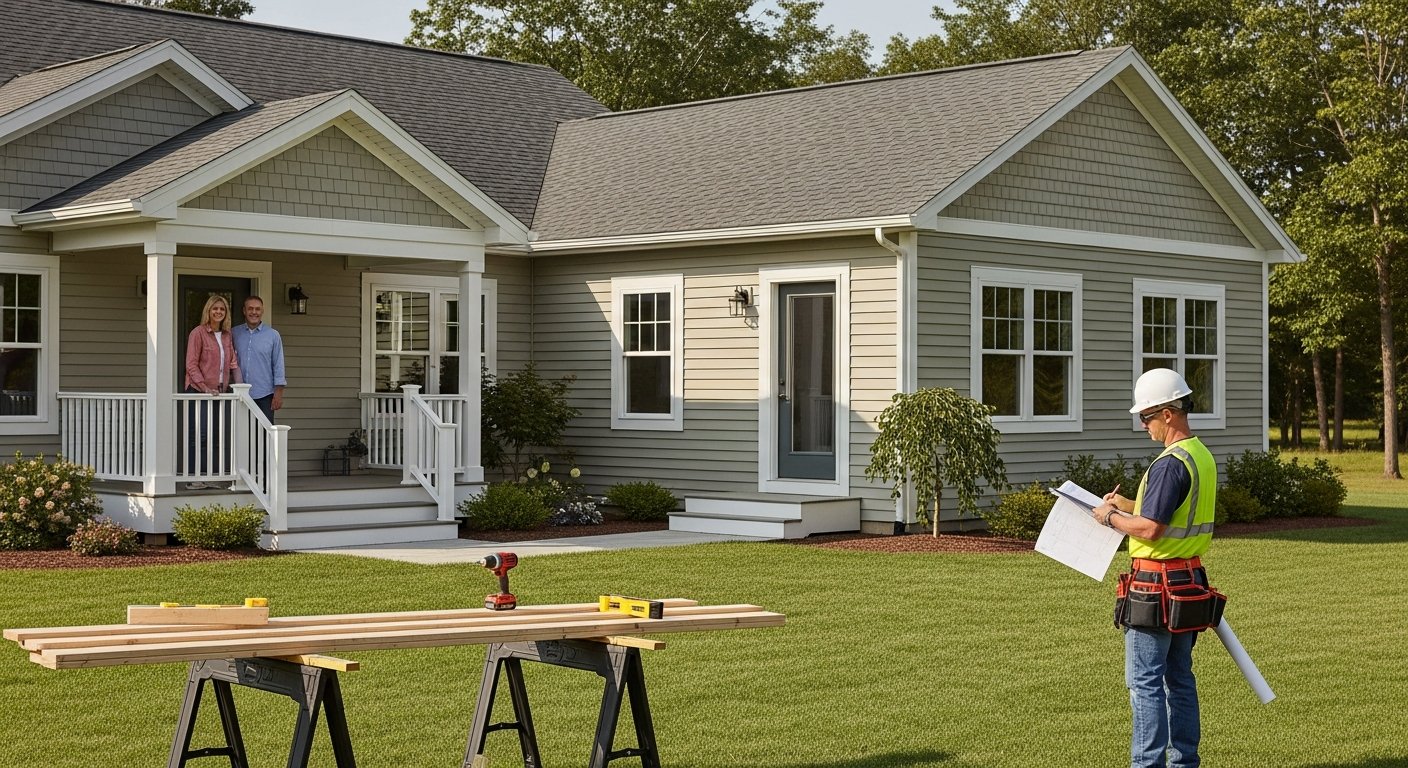
When planning the layout, think about how the suite will interact with your existing home. A ground floor addition with direct access to a shared yard often works well for multigenerational living. You might also consider a garage conversion or a second story addition above a garage. Each option has different cost implications and structural requirements. Here are some common design approaches for in law suites in Arkansas:
- Attached suite with a separate exterior door and interior connecting door for flexibility
- Detached cottage or tiny home for maximum privacy and independence
- Basement conversion with proper egress windows and waterproofing for Arkansas’s humid climate
- Garage conversion that transforms existing space into a livable unit
Each design option requires careful planning for plumbing, electrical, and HVAC systems. An attached suite is usually the most cost-effective because it shares walls and utilities with the main house. Detached units offer more privacy but require separate utility connections and may need additional site work. Basement conversions in Arkansas must address moisture control, which is critical given the state’s high humidity and rainfall. Your contractor can help you weigh these options based on your property’s specific conditions.
Budgeting for Your Arkansas In Law Suite
The cost of building an in law suite in Arkansas varies widely based on size, complexity, and whether you are adding new construction or converting existing space. On average, homeowners spend between $80 and $200 per square foot for a finished ADU. A small 400-square-foot studio suite might cost $40,000 to $80,000, while a larger 800-square-foot one-bedroom unit could run $100,000 to $160,000 or more. Factors that affect cost include foundation work, roofing, plumbing extensions, electrical upgrades, and finish materials. In law suite addition planning Arkansas requires a realistic budget that accounts for both construction costs and soft costs like permits, design fees, and impact fees.
Financing an ADU can be done through a home equity loan, a construction loan, or a cash-out refinance. Some Arkansas homeowners use personal savings or a HELOC to fund their project. It is wise to add a contingency fund of 10 to 20 percent to cover unexpected issues such as foundation repairs or code upgrades. Getting multiple bids from licensed contractors helps you understand the fair market price for your project. Remember that the cheapest bid is not always the best value. Look for contractors with experience in home additions specifically, as they will understand the nuances of tying new construction to existing structures.
Essential Systems: Plumbing, Electrical, and HVAC
An in law suite functions as a separate dwelling, which means it needs independent or easily accessible utility connections. For plumbing, you must tie into your existing water supply and sewer lines. This often requires extending pipes from the main house, which can be expensive if the addition is far from existing connections. A separate water heater for the suite is recommended to prevent conflicts with the main house’s hot water supply. Tankless water heaters are a popular choice for ADUs because they save space and provide on-demand hot water.
Electrical systems must meet current code, which may require a new subpanel for the addition. This is especially important if the suite will have a kitchen with major appliances. Your electrician will need to calculate the load to ensure the main panel can handle the additional demand. For HVAC, you have several options. A mini-split system is energy-efficient and allows zone control, which is ideal for a small living space. Alternatively, you can extend your existing ductwork if the addition is close enough and your current system has capacity. Arkansas’s hot summers and chilly winters make proper insulation and efficient heating and cooling a top priority for occupant comfort and energy savings.
Selecting the Right Contractor for Your Project
Choosing the right contractor is one of the most important decisions in your in law suite addition planning Arkansas journey. Look for a local builder with experience in home additions and accessory dwelling units. A contractor who knows Batesville and Independence County will understand the local permitting process, soil conditions, and climate challenges. Ask for references and photos of completed ADU projects. Verify that the contractor is licensed and insured in Arkansas. You can check a contractor’s license through the Arkansas Contractors Licensing Board.
During the selection process, get detailed written estimates from at least three contractors. Each estimate should include a scope of work, materials list, timeline, and payment schedule. Avoid contractors who ask for large upfront payments. A typical payment structure is a small deposit to start, then progress payments at key milestones, with a final payment upon completion and inspection. Communication is critical. Your contractor should be responsive to your questions and transparent about any changes or delays.
Maximizing Energy Efficiency and Long-Term Value
An energy-efficient in law suite saves money on utilities and increases your property’s resale value. Arkansas’s climate demands good insulation, especially in attics and walls. Spray foam insulation is effective for sealing air leaks and providing an R-value that meets or exceeds code. Energy-efficient windows with low-E coatings reduce heat gain in summer and heat loss in winter. LED lighting, Energy Star appliances, and a programmable thermostat further reduce operating costs.
Consider adding solar panels if your roof orientation and budget allow. Arkansas offers net metering, which credits you for excess energy produced. A well-designed ADU can also qualify for certain tax credits or energy efficiency rebates. Beyond energy savings, think about long-term durability. Choose materials that withstand Arkansas’s humidity, such as mold-resistant drywall in bathrooms and moisture-resistant flooring. A metal roof or architectural shingles with a high wind rating protect against storms. These investments pay off over time through lower maintenance and higher home value.
Common Mistakes to Avoid in In Law Suite Planning
Many homeowners make avoidable errors during in law suite addition planning Arkansas. One common mistake is underestimating the importance of soundproofing between the main house and the suite. Even if the occupants are family, everyone benefits from reduced noise transfer. Use insulation with sound-dampening properties in shared walls and install solid core doors. Another mistake is failing to plan for future needs. If the suite is for aging parents, consider wider doorways and a roll-in shower even if those features are not needed immediately. Retrofitting later is much more expensive.
Do not overlook landscaping and exterior access. A separate walkway, patio, or small yard area gives the suite its own identity and outdoor space. Also, plan for parking. Some Arkansas municipalities require one or two off-street parking spaces for an ADU. Finally, communicate with neighbors early in the process. Letting them know about your project can prevent complaints and build goodwill. A thoughtful approach to planning ensures your in law suite serves your family well for years to come.
Building an in law suite in Arkansas is a rewarding project that provides flexible living space and increases your home’s functionality. By understanding local codes, designing with purpose, budgeting realistically, and hiring the right professionals, you can create a space that meets your family’s needs. The investment you make today in careful in law suite addition planning Arkansas will pay dividends in comfort, convenience, and property value. Start by consulting with a trusted local contractor who can guide you through each step of the process.