Your trees are a major asset to your Batesville property, providing shade, beauty, and increased home value. However, the humid subtropical climate of Arkansas creates a perfect environment for a host of tree diseases and invasive pests. Left unchecked, these issues can turn a healthy oak or maple into a safety hazard or a costly removal project. Understanding the most common tree diseases and pests in Batesville, Arkansas is the first step to protecting your landscape and your investment.
From the dreaded oak wilt to the voracious emerald ash borer, local trees face threats that can spread quickly across neighborhoods. Recognizing early warning signs allows you to take action before a minor problem becomes a major expense. For homeowners in Independence County, proactive care is not just about aesthetics; it is about safety. A diseased tree with weakened limbs can cause significant damage to your home, roof, or vehicles during a storm. By learning what to look for, you can decide when to treat a tree and when it is time to call for professional help.
Fungal Diseases Threatening Batesville Trees
Fungal pathogens are the most common culprits behind tree decline in the Batesville area. These organisms thrive in warm, moist conditions and often enter trees through wounds caused by storms, improper pruning, or lawn equipment. The consequences range from cosmetic leaf spots to fatal structural decay.
Oak Wilt: A Fast-Moving Killer
Oak wilt is one of the most serious tree diseases in Arkansas. It affects both red oaks and white oaks, though red oaks typically die within a few weeks of infection. The fungus clogs the tree’s water-conducting vessels, causing leaves to wilt, turn brown, and drop prematurely. You may notice leaves turning bronze or brown from the edges inward, often in the upper canopy first. In Batesville, the disease spreads through root grafts between nearby oaks and by sap-feeding beetles that carry fungal spores. If you suspect oak wilt on your property, immediate action is critical. Infected trees should be removed and the root systems severed to prevent spread to neighboring oaks.
Anthracnose: The Springtime Leaf Blight
Anthracnose is a group of fungal diseases that commonly affect sycamores, dogwoods, and maples in Arkansas. Symptoms appear in cool, wet springs as irregular brown or black blotches on leaves, often along the veins. Infected leaves may curl, shrivel, and drop early. While anthracnose rarely kills a mature tree outright, repeated defoliation weakens it over time, making it more susceptible to other pests and stress. Management includes raking and disposing of fallen leaves to reduce fungal spores and pruning to improve air circulation. In severe cases, a fungicide application in early spring can help protect high-value ornamental trees.
Root Rot: The Hidden Danger
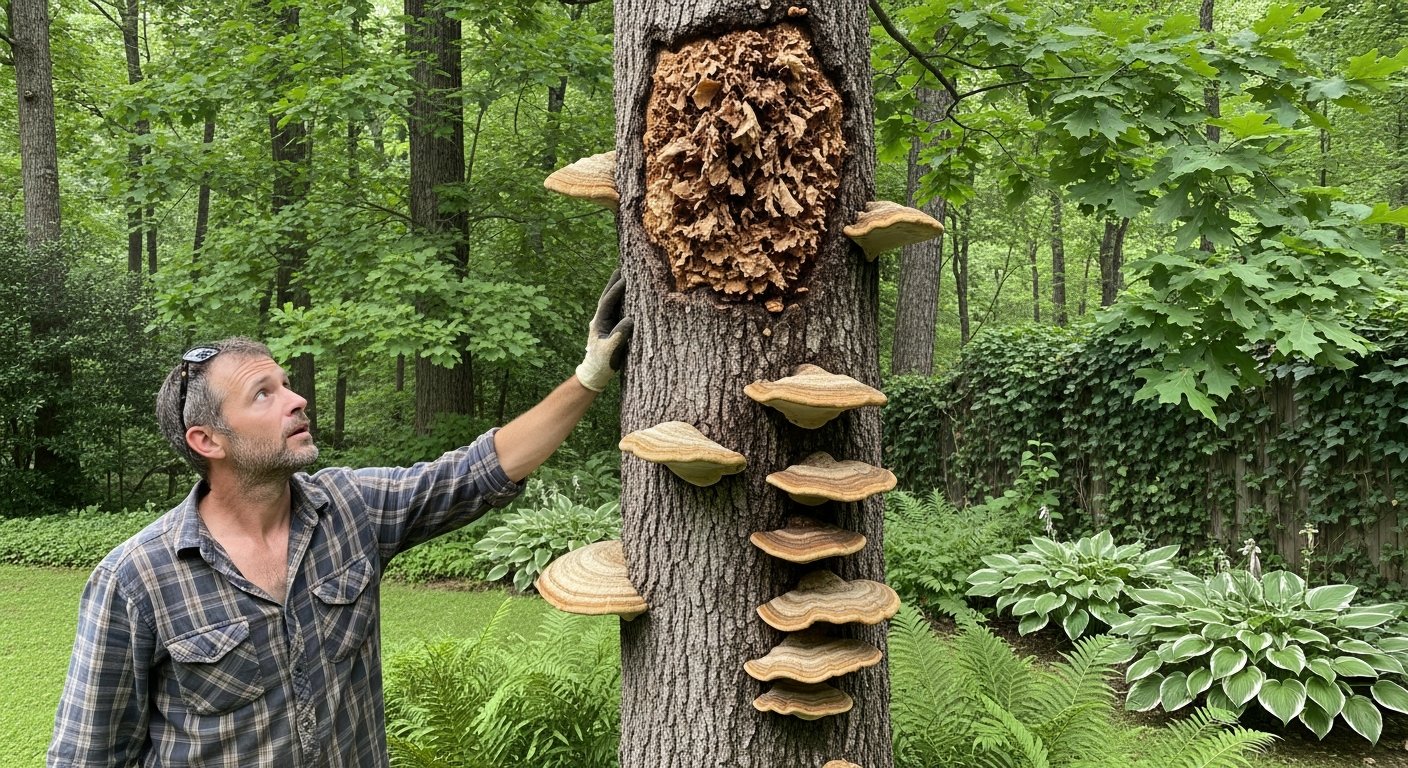
Several fungi cause root rot in Batesville trees, including Armillaria and Phytophthora. These pathogens attack the roots and lower trunk, often going unnoticed until significant damage is done. Symptoms include thinning foliage, stunted growth, yellowing leaves, and the presence of mushroom-like growths (conks) at the base of the tree. The wood may become soft and spongy. Root rot is especially common in poorly drained soils or after periods of heavy rainfall. Once established, there is no cure for root rot. The best strategy is prevention: ensure proper drainage around trees, avoid overwatering, and plant trees at the correct depth. A tree with advanced root rot is a serious fall hazard and should be evaluated by a professional for removal.
Invasive Pests Damaging Local Trees
In addition to fungal diseases, Batesville’s trees are under siege from invasive insects. These pests can defoliate trees, bore into trunks, and introduce secondary infections. Early detection is your best defense.
Here are the most destructive pests to watch for in your yard:
- Emerald Ash Borer (EAB): This metallic green beetle has devastated ash tree populations across Arkansas. Larvae tunnel under the bark, disrupting the tree’s ability to transport water and nutrients. Signs include D-shaped exit holes in the bark, serpentine tunnels (galleries), and canopy dieback starting at the top. Ash trees in Batesville are at high risk. Treatment with systemic insecticides is effective only if started early, before more than 30% of the canopy is lost.
- Ambrosia Beetle: These tiny beetles attack stressed or dying trees. They bore into the trunk and introduce a fungus (ambrosia) that they feed on. Look for small, perfectly round entry holes and toothpick-like strands of sawdust protruding from the bark. While they often target already weakened trees, large infestations can accelerate decline. Maintaining tree health through proper watering and mulching is the best prevention.
- Scale Insects: These small, sap-sucking insects attach themselves to branches and leaves. In heavy infestations, they cause yellowing, premature leaf drop, and branch dieback. A sticky substance called honeydew often coats surfaces below infested branches, leading to sooty mold growth. Horticultural oil sprays applied during the dormant season can effectively control scale populations.
Each of these pests requires a different management approach. A general-purpose insecticide is rarely the answer and can harm beneficial insects. Correct identification is essential before any treatment plan is made.
How Environmental Stress Makes Trees Vulnerable
A healthy tree is much better at fighting off diseases and pests than a stressed one. In Batesville, environmental factors like drought, soil compaction, and construction damage are major contributors to tree decline. When a tree is stressed, it produces chemicals that attract bark beetles and other pests, essentially signaling that it is a target.
Construction projects, such as building a new deck or pouring a concrete patio, can damage tree roots. Even small changes in soil grade or root severance can cause long-term health issues. If you are planning a home improvement project near valuable trees, consider consulting an arborist first. Protecting the root zone with fencing and using mulch instead of grass near the trunk can significantly reduce stress. Proper watering during dry spells, especially for young or newly planted trees, is another critical factor in maintaining vigor and resistance to pests.
When to Treat Versus When to Remove
Not every sick tree can be saved. Making the right call between treatment and removal requires an honest assessment of the tree’s condition, location, and value. Trees with minor fungal infections or early-stage pest infestations often respond well to treatment. However, trees with extensive trunk decay, large dead branches, or advanced root rot pose a safety risk that cannot be ignored.
Consider removal when: the tree has lost more than 50% of its canopy, there are large cracks or cavities in the trunk, or the tree is leaning significantly after a storm. A dead tree near your home or driveway is a liability. Professional tree removal in Batesville is often the safest and most cost-effective solution for hazardous trees. When treatment is viable, it typically involves a combination of pruning, fungicide or insecticide applications, and improved cultural care. Always work with a certified arborist who understands the specific challenges of the Arkansas climate.
Preventive Care for a Healthier Landscape
Prevention is always more affordable than cure when it comes to tree care. A proactive maintenance routine can keep your trees strong and reduce the likelihood of disease and pest outbreaks. Start with proper planting: choose tree species that are well-suited to Arkansas’s climate and your specific soil conditions. Native species like oaks, hickories, and red maples are naturally more resistant to local pests than exotic ornamentals.
Annual inspections are key. Walk your property in early spring and late summer, looking for signs of distress. Note any changes in leaf color, bark condition, or branch structure. Mulching around the base of trees (2 to 4 inches deep, but not touching the trunk) helps retain moisture and regulate soil temperature. Avoid wounding trees with lawn mowers and string trimmers, as these injuries provide entry points for fungi and insects. For homeowners planning major landscaping or construction, our guide on automated gate systems Batesville Arkansas also covers how to plan your property layout to protect existing trees during installation.
Regular, professional pruning is one of the most effective preventive measures. Removing dead, diseased, or crossing branches improves air circulation and reduces the weight load on the tree. It also allows you to spot potential problems early. In the Batesville area, pruning is best done in late winter or early spring before new growth begins, as this minimizes stress and reduces the risk of transmitting diseases like oak wilt.
Ultimately, the health of your trees contributes directly to the safety, beauty, and value of your Batesville home. By staying informed about common tree diseases and pests in Batesville, Arkansas, and by working with experienced local contractors for both tree care and home improvement, you can ensure your landscape remains a source of pride for years to come. Whether you are dealing with a stubborn pest or planning a major outdoor renovation, taking a holistic approach to your property’s health will pay dividends.