When you walk into a room, the walls are the first thing you notice. They frame the space, define the atmosphere, and set the stage for everything else. But behind that smooth surface lies a craft that many homeowners overlook until cracks appear, holes form, or a new build requires finishing. In Arkansas, where humidity and seasonal shifts test the durability of every home, the quality of your drywall installation matters more than you might think. Whether you are building a new home in Batesville, remodeling a historic property in Little Rock, or finishing a basement in Fayetteville, finding the right drywall contractor in Arkansas is a decision that affects your home’s appearance, comfort, and long-term value. This guide walks you through everything you need to know to make that choice with confidence.
Why Drywall Quality Matters in Arkansas Homes
Arkansas experiences a climate that ranges from hot, humid summers to chilly, wet winters. These fluctuations cause building materials to expand and contract. Drywall, being a porous material, is particularly vulnerable to moisture and temperature changes. A poorly installed or improperly finished drywall job can lead to visible seams, nail pops, cracking at corners, and even mold growth behind the surface. For homeowners in Batesville and across the Natural State, hiring a skilled drywall contractor in Arkansas is not just about aesthetics. It is about protecting your investment. Professional installation ensures that joints are taped and mudded correctly, corners are reinforced with metal or paper beads, and the entire surface is sanded to a smooth finish that holds up over time. Moreover, a quality drywall job provides a better base for paint, wallpaper, or texture, making your final decorating efforts look their best.
Understanding the Scope of Drywall Work
Drywall projects vary widely in complexity. Some homeowners need a full installation for a new construction project, while others require patchwork and repair after a plumbing leak or accidental damage. A reputable drywall contractor in Arkansas should be able to handle all of these scenarios. Here is a breakdown of the most common types of drywall services you might need:
- New Installation: Hanging and finishing drywall in new rooms, additions, or entire homes. This includes measuring, cutting, hanging boards, taping, mudding, sanding, and priming.
- Repair and Patching: Fixing holes, cracks, water damage, or dents. This can range from a small patch to replacing entire sections of wall or ceiling.
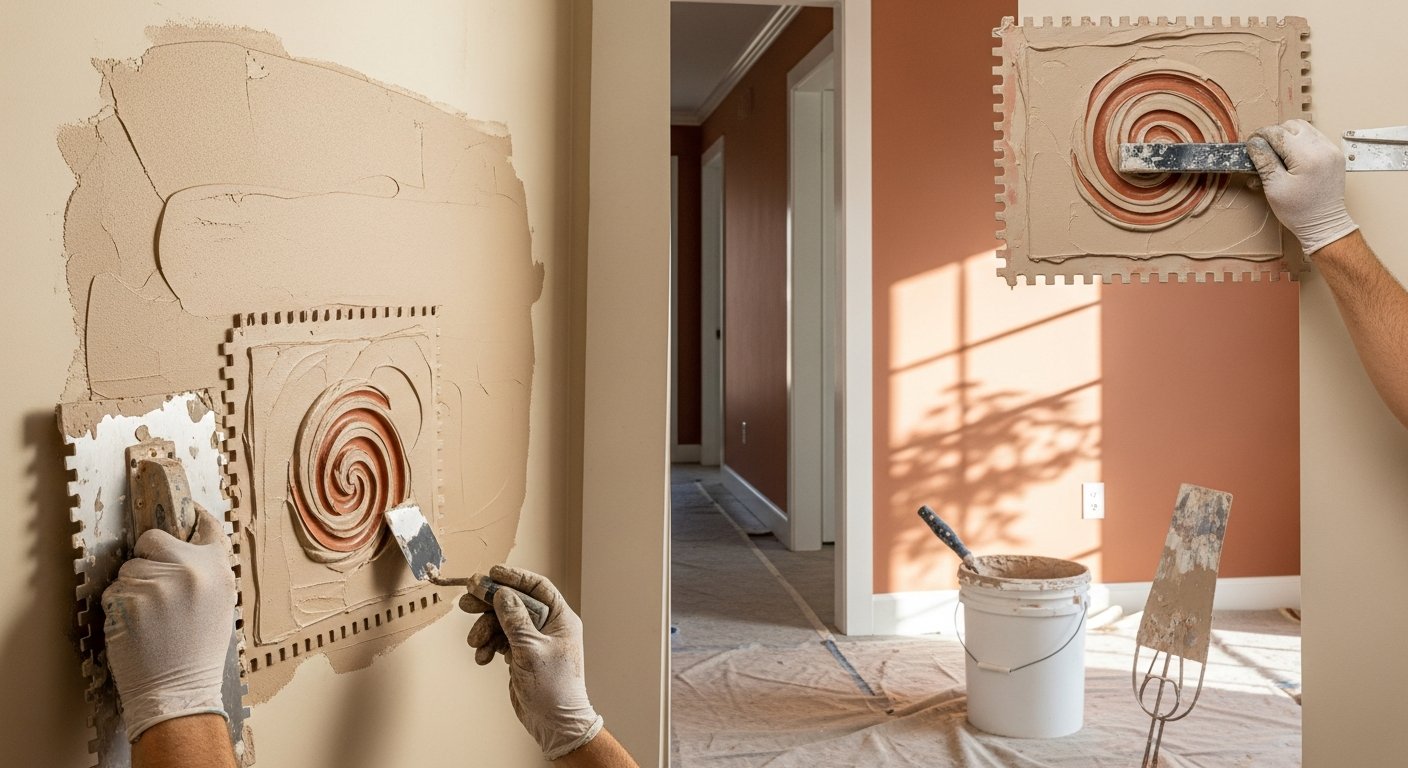
- Texturing and Finishing: Applying decorative textures such as knockdown, orange peel, or smooth finish to match existing walls or create a specific look.
- Commercial Drywall: Larger-scale projects for offices, retail spaces, or multifamily buildings that often require specialized techniques and faster timelines.
Each of these services demands different skills and tools. A contractor who specializes in new construction may not be the best choice for intricate repair work, and vice versa. When vetting a drywall contractor in Arkansas, ask about their specific experience with your type of project. For example, if you are renovating an older home in Batesville, you may need someone familiar with lath and plaster systems or non-standard wall thicknesses.
How to Find a Reliable Drywall Contractor in Arkansas
Finding a trustworthy professional starts with knowing where to look and what questions to ask. In Arkansas, many homeowners begin their search with online directories, local recommendations, or referrals from builders and real estate agents. However, the most reliable path is often through a full-service construction company that offers drywall as part of a broader suite of services. Companies like The Real Deal of Batesville, which provide everything from concrete and deck building to remodeling and drywall, bring a level of coordination and quality control that individual subcontractors may not. When you hire a drywall contractor in Arkansas through a established local firm, you benefit from their reputation, their warranty, and their ability to manage the entire project timeline. Start by gathering at least three estimates. During the quoting process, pay attention to how the contractor communicates. Do they ask about your specific needs? Do they explain the process clearly? Are they willing to provide references? A professional should be transparent about their methods, materials, and pricing.
Key Qualities to Look for in a Drywall Contractor
Not all drywall contractors are created equal. To ensure you get a smooth, durable finish that lasts, look for these essential traits in a drywall contractor in Arkansas:
- Proper Licensing and Insurance: Arkansas requires contractors to hold a license for projects over a certain value. Verify that the contractor is licensed and carries both general liability insurance and workers’ compensation. This protects you if an accident occurs on your property.
- Experience with Local Building Codes: Arkansas counties and municipalities may have specific requirements for fire-rated assemblies, moisture-resistant drywall in bathrooms, or soundproofing in shared walls. A local contractor will know these codes.
- Positive References and Reviews: Ask for a list of recent clients, especially those with projects similar to yours. Check online reviews on Google, Yelp, or the Better Business Bureau.
- Detailed Written Estimate: A reliable contractor provides a written quote that breaks down labor, materials, and any additional fees. Avoid contractors who give verbal estimates or push for a large upfront payment.
- Warranty on Workmanship: Reputable contractors stand behind their work. Ask about their warranty policy for defects like cracking, nail pops, or seam separation.
Taking the time to verify these qualities can save you from costly mistakes and subpar results. Remember, drywall is not a place to cut corners. The cost of fixing a bad drywall job later often exceeds the savings from hiring a cheaper, unqualified contractor.
The Drywall Installation Process: What to Expect
Understanding the steps involved in a professional drywall installation can help you communicate better with your contractor and set realistic expectations. The process typically unfolds in these stages:
1. Preparation and Measurement: The contractor assesses the space, measures walls and ceilings, and orders the correct number of drywall sheets. They also check for any underlying issues like electrical, plumbing, or insulation that need to be addressed before hanging.
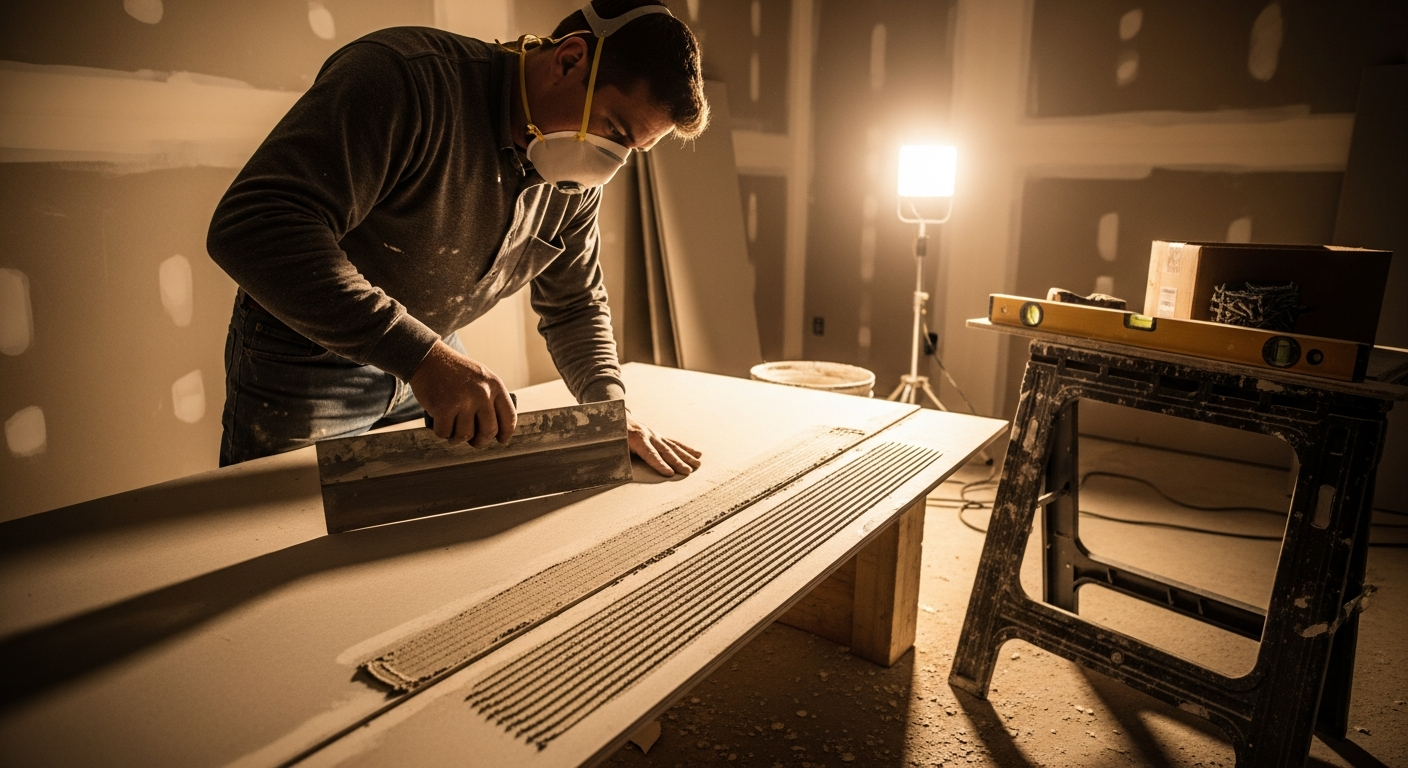
2. Hanging the Drywall: Sheets are cut to size and fastened to the framing with screws or nails. Proper spacing between sheets and correct screw placement are critical to prevent future cracking. Experienced contractors stagger seams to add strength.
3. Taping and Mudding: Joints between sheets are covered with paper or mesh tape, then coated with joint compound (mud). This step is repeated in multiple layers, allowing each coat to dry completely before the next is applied. Inside and outside corners receive special metal or paper beads.
4. Sanding and Priming: Once the final coat of mud is dry, the surface is sanded smooth. This step creates dust, so contractors often use dust-control sanders or plastic sheeting to contain the mess. After sanding, a primer is applied to seal the drywall and provide a uniform surface for paint.
5. Final Inspection: A thorough contractor walks through the space with you, checking for imperfections, smoothness, and alignment. Any touch-ups are made before the job is considered complete.
Depending on the size of the project, this process can take anywhere from a few days to a couple of weeks. A professional drywall contractor in Arkansas will keep you informed at each stage and address any concerns promptly.
Cost Factors for Drywall Projects in Arkansas
The cost of drywall services in Arkansas varies based on several factors. Understanding these can help you budget accurately and avoid surprises. Key cost drivers include:
- Square Footage: Most contractors charge by the square foot. Rates typically range from $1.50 to $3.00 per square foot for basic installation, with higher rates for textured finishes or repairs.
- Ceiling Height: Higher ceilings require more labor and specialized equipment, increasing the cost.
- Accessibility: Basements, attics, or tight spaces may require extra time and effort, raising the price.
- Finish Level: A level 5 finish (the smoothest, most uniform surface) costs more than a standard level 4 finish. Textured finishes add additional cost.
- Repair vs. New Installation: Repairs often involve matching existing textures and blending with old work, which can be more labor-intensive per square foot than new installation.
- Location: Labor rates can vary between rural areas and cities like Little Rock, Fayetteville, or Jonesboro. In Batesville and surrounding Independence County, rates tend to be competitive but may be slightly higher for specialized work.
Always get multiple written estimates and compare them carefully. The lowest bid is not always the best value. Consider the contractor’s reputation, experience, and the materials they plan to use.
Common Drywall Problems and How to Fix Them
Even with quality installation, drywall can develop issues over time. Knowing the most common problems can help you decide when to call a drywall contractor in Arkansas for repairs. Here are some frequent concerns:
Nail Pops: These occur when screws or nails push through the drywall surface, often due to wood framing shrinkage. A contractor can reset the fastener, add a new screw nearby, and patch the area.
Cracks at Corners: Stress from house settling or temperature changes can cause corner beads to separate from the drywall. Repair involves re-taping and mudding the corner.
Water Stains and Damage: Leaks from roofs, pipes, or windows can cause drywall to swell, bubble, or disintegrate. The damaged section must be cut out, the leak fixed, and new drywall installed.
Seam Separation: If tape was not embedded properly, seams can become visible or separate. A contractor can cut out the loose tape, apply new tape, and refinish the area.
Mold and Mildew: In humid areas like bathrooms or basements, moisture can lead to mold growth behind or on the drywall. Affected drywall should be removed and replaced with moisture-resistant or mold-resistant drywall.
Addressing these issues early prevents them from worsening and saves money in the long run. A skilled drywall contractor in Arkansas can diagnose the root cause and provide a lasting repair.
Why Local Expertise Matters for Your Drywall Project
Hiring a local drywall contractor in Arkansas offers distinct advantages over bringing in an out-of-area company or relying on a national franchise. Local contractors understand the regional climate, building practices, and material availability. They have established relationships with local suppliers, which can lead to better pricing and faster delivery. Additionally, a local contractor is invested in their community’s reputation. They are more likely to prioritize customer satisfaction because their business depends on word-of-mouth referrals within the area. In Batesville, for example, homeowners often prefer working with companies like The Real Deal of Batesville because they know the team personally and trust their commitment to quality. In our guide on Building in Arkansas: A Guide to Local Construction Services, we discuss how partnering with local professionals ensures your project aligns with regional standards and expectations.
Preparing for Your Drywall Project: A Homeowner’s Checklist
Before the drywall crew arrives, there are several steps you can take to ensure a smooth process:
- Clear the Work Area: Remove furniture, decorations, and personal items from the room. Cover anything that cannot be moved with plastic sheeting.
- Secure Pets and Children: Drywall work creates dust and noise. Make arrangements to keep pets and children away from the work zone.
- Discuss the Schedule: Confirm the start date, estimated duration, and daily work hours. Ask if the crew will work weekends or holidays.
- Plan for Dust: Even with best practices, some dust is inevitable. Close doors to adjacent rooms and consider using a temporary plastic barrier.
- Check Access: Ensure the contractor has clear access to the work area, including parking for their vehicle and a path for carrying materials.
- Verify Material Choices: Confirm the type of drywall (standard, moisture-resistant, fire-rated) and the finish level you agreed upon.
Being prepared helps the crew work efficiently and reduces the chance of misunderstandings. A professional drywall contractor in Arkansas will appreciate your organization and will likely return the favor with a higher-quality result.
Final Thoughts on Choosing Your Drywall Contractor
Your home’s walls are more than just boundaries. They are the canvas on which your interior design comes to life. Choosing the right drywall contractor in Arkansas is an investment in your home’s beauty, durability, and value. By focusing on experience, licensing, communication, and local knowledge, you can find a professional who will deliver results that exceed your expectations. Whether you are building new, remodeling, or repairing, take the time to research and select a contractor who treats your project with the care it deserves. In Batesville and across Arkansas, the best drywall work comes from teams that combine skilled craftsmanship with a genuine commitment to customer satisfaction. Your walls will thank you.