When a faucet leaks, a door sticks, or drywall has a hole the size of a fist, Arkansas homeowners face a common dilemma: should you call a handyman or hire a specialized contractor? The answer is not always obvious. Choosing the right professional for home repairs in Arkansas can save you time, money, and frustration. It can also mean the difference between a quick fix and a long-term solution that protects your property value.
In this guide, we break down the critical differences between handyman services and specialized contractors for home repairs in Arkansas. We will help you understand which option fits your project size, complexity, and budget. Whether you live in Batesville, Little Rock, or Fayetteville, knowing when to call a handyman versus a specialized contractor will make your next home repair project smoother and more successful.
Understanding the Core Difference Between Handymen and Specialized Contractors
The most important distinction lies in licensing, scope of work, and expertise. In Arkansas, handymen typically handle small to medium repairs that do not require a state contractor license. They can patch drywall, replace light fixtures, fix leaky toilets, and paint rooms. Their work is often limited to jobs under a certain dollar threshold. For example, Arkansas law requires a contractor license for any project exceeding $2,000 in labor and materials. A handyman working on a job over that amount may be operating illegally.
Specialized contractors, on the other hand, hold specific licenses for trades like electrical, plumbing, HVAC, roofing, and structural remodeling. They have undergone rigorous training, passed state exams, and carry insurance that protects you as the homeowner. A specialized contractor has deep knowledge of building codes, permit requirements, and industry standards. This makes them the only legal and safe choice for major home repairs and renovations.
When considering handyman vs specialized contractor for home repairs Arkansas, think of it as matching the professional to the problem. A handyman is a generalist. A specialized contractor is an expert in one domain. Both have their place, but using the wrong one can lead to code violations, safety hazards, or costly rework.
When a Handyman Is the Right Choice for Your Arkansas Home
Handymen excel at small, non-structural tasks that do not require permits. For many Arkansas homeowners, a reliable handyman is a valuable resource for routine maintenance and minor fixes. Here are common scenarios where calling a handyman makes sense:
- Minor plumbing repairs: Replacing a worn-out faucet, unclogging a drain, or fixing a running toilet. These tasks are within the scope of a handyman as long as they do not involve re-piping or main line work.
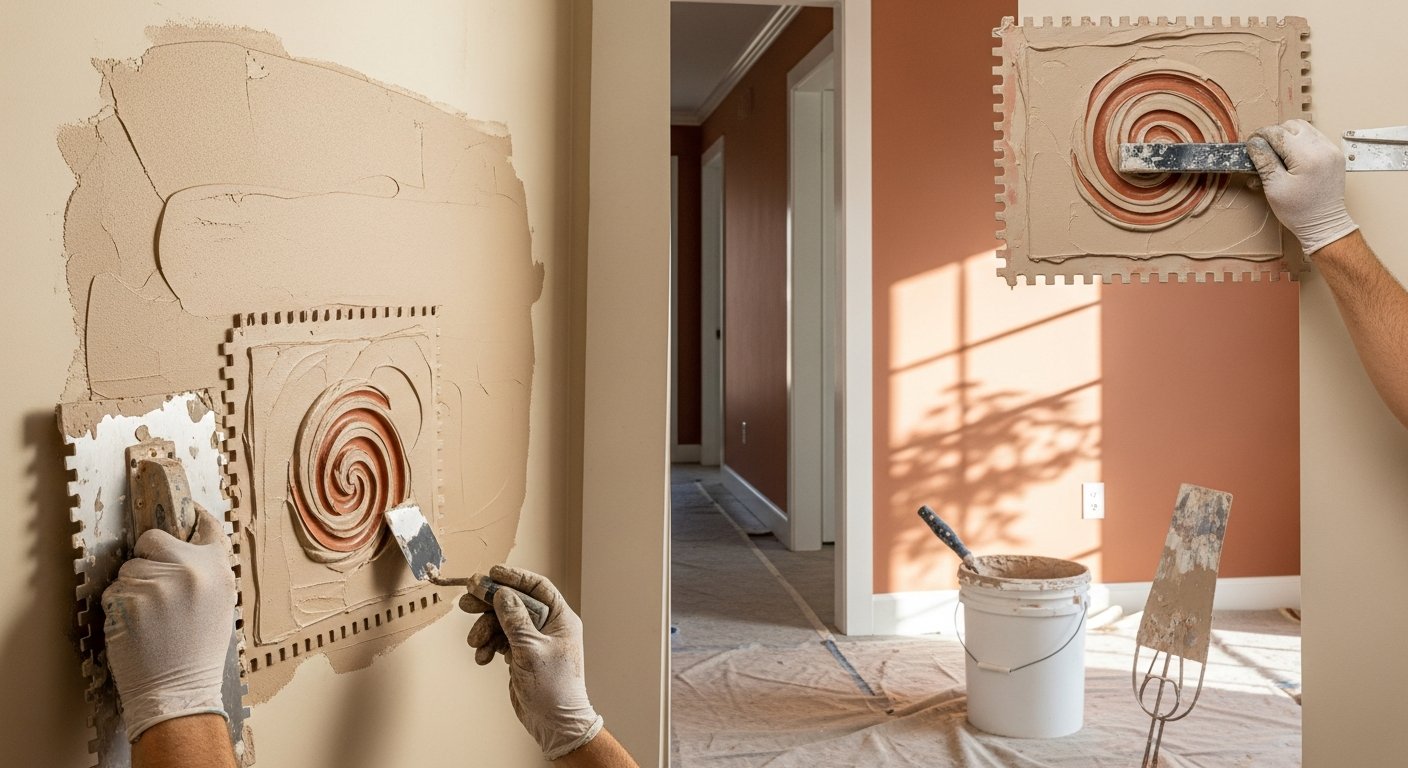
- Drywall patches and texture matching: Small holes from doorknobs or picture hanging are perfect for a handyman. They can cut, tape, mud, and sand the area to blend with existing walls.
- Interior painting and touch-ups: A handyman can paint a single room or refresh trim without the overhead of a full painting crew.
- Basic electrical swaps: Replacing outlets, switches, or light fixtures is common handyman work. However, any work inside the breaker panel or new circuit runs requires a licensed electrician.
- Furniture assembly and minor carpentry: Fixing a wobbly chair, assembling flat-pack furniture, or installing shelving are quick, low-cost tasks.
For these jobs, a handyman typically charges by the hour or per project. Rates in Arkansas range from $50 to $100 per hour depending on location and experience. The advantage is speed and lower overhead. You do not need a formal contract or permit for most handyman repairs. However, always verify that the handyman carries general liability insurance. Even a small mistake can cause water damage or an electrical short.
One hidden risk: if a handyman takes on a job that exceeds the $2,000 threshold without a license, you may be liable for code violations. Always ask about the total project cost before starting. If the estimate exceeds $2,000, you should be working with a licensed contractor instead.
When You Absolutely Need a Specialized Contractor
Specialized contractors are mandatory for any project that affects the structure, safety, or major systems of your home. Arkansas building codes are strict, and unlicensed work can result in fines, failed inspections, and difficulty selling your home later. Here are situations where a specialized contractor is the only correct choice:
- Roof replacement or major repair: Roofing requires specific safety training and knowledge of flashing, underlayment, and ventilation. A handyman cannot legally replace a roof in Arkansas.
- Electrical panel upgrades or new wiring: Only a licensed electrician can pull permits, run new circuits, or upgrade your service panel. This work is high-risk and must meet the National Electrical Code.
- Plumbing system changes: Moving drains, adding a bathroom, or replacing main water lines demands a licensed plumber. Improper work can lead to sewage backups or water contamination.
- Structural changes: Removing walls, adding windows, or building an addition requires a general contractor or structural engineer. These projects affect the integrity of your home.
- HVAC installation and ductwork: Heating and cooling systems must be sized and installed by licensed HVAC contractors to ensure efficiency and safety.
In our guide on building your dream home in Batesville Arkansas, we explain how licensed contractors manage permits, inspections, and budgets for complex projects. The same principles apply to major repairs. Specialized contractors provide warranties on their work, carry robust insurance, and are accountable to the Arkansas Contractor Licensing Board. If something goes wrong, you have recourse. With a handyman, you often do not.
Costs for specialized contractors are higher. You might pay $75 to $150 per hour for a master electrician, but you are paying for expertise, liability coverage, and code compliance. For large projects, this investment is trivial compared to the cost of fixing unlicensed work.
Handyman vs Specialized Contractor for Home Repairs Arkansas: A Decision Framework
To decide quickly, ask yourself three questions. First, does the repair involve plumbing, electrical, HVAC, or structural elements beyond cosmetic fixes? If yes, hire a specialized contractor. Second, will the total cost of labor and materials exceed $2,000? If yes, Arkansas law requires a licensed contractor. Third, does the project require a building permit? If permits are needed, you must use a licensed contractor who can pull them.
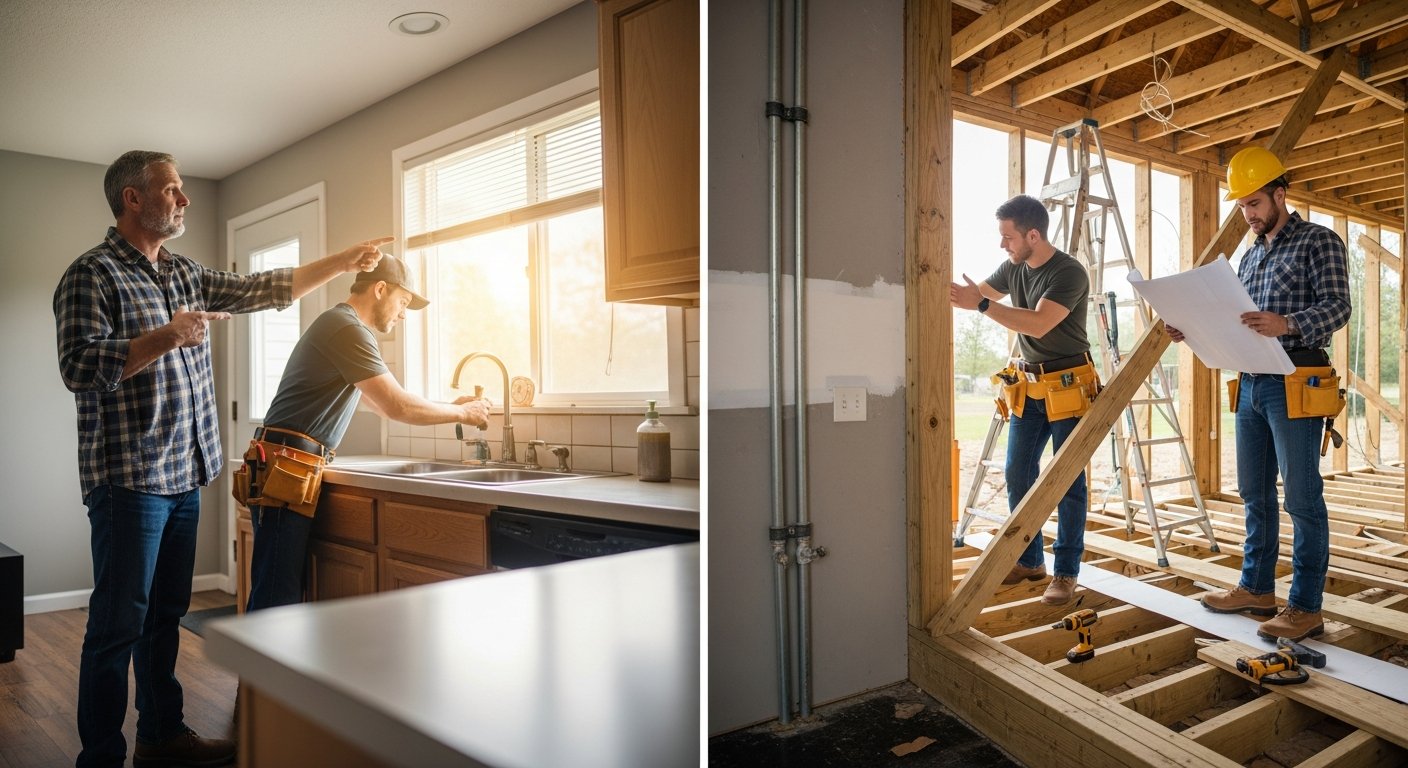
For projects that fall in the gray area, consider a hybrid approach. For example, if you are remodeling a kitchen, you might hire a handyman to paint and install hardware, while a licensed plumber and electrician handle the sink and wiring. The general contractor for the overall project can coordinate these trades. In many cases, a full-service remodeling company like The Real Deal of Batesville can handle the entire scope, from handyman-level tasks to specialized trade work. This simplifies the process and ensures every aspect of the job is done correctly.
Another factor is insurance. A specialized contractor carries workers’ compensation and liability insurance that covers you if a worker is injured on your property. Handymen often carry less coverage. If a handyman gets hurt while fixing your porch step, you could be held financially responsible. Always ask for proof of insurance before any work begins.
How to Verify Credentials for Arkansas Home Repair Professionals
Before hiring anyone, take a few minutes to verify their credentials. For handymen, ask for references and check online reviews. Look for a business license from the city or county. Many municipalities in Arkansas require a local business permit even for small operators. For specialized contractors, use the Arkansas Contractors Licensing Board website to confirm their license is active and in good standing. You can also check if there are any complaints or disciplinary actions.
Always get a written estimate that breaks down labor, materials, and any permit fees. Compare at least three quotes. Be suspicious of bids that are significantly lower than others. A low price often means the professional is cutting corners on insurance, materials, or code compliance. For complex repairs, ask for a timeline and a clear description of the work scope. A reputable specialized contractor will provide a detailed contract that protects both parties.
In Batesville and surrounding areas, local companies like The Real Deal of Batesville offer both handyman-level services and full specialized contracting. This provides a single point of accountability for your project. Whether you need a simple gutter cleanout or a complete bathroom renovation, a local contractor who knows Arkansas building codes and climate conditions is a smart investment.
Ultimately, the handyman vs specialized contractor for home repairs Arkansas decision comes down to risk and complexity. For small, low-risk tasks, a handyman saves time and money. For anything that involves your home’s structure, safety systems, or a significant budget, a specialized contractor is non-negotiable. By matching the professional to the problem, you protect your home, your finances, and your peace of mind.
Taking the time to make the right choice now prevents costly mistakes later. Whether you choose a handyman for a weekend to-do list or a specialized contractor for a major renovation, always prioritize licensing, insurance, and written agreements. Your home is your largest asset. It deserves the right professional for every repair.