Your driveway, patio, or walkway in Batesville does not have to stay cracked, stained, or uneven forever. Concrete resurfacing offers a cost-effective way to restore and upgrade your existing concrete surfaces without the expense and disruption of a full replacement. Whether you are preparing your home for sale or simply want to improve curb appeal, understanding the concrete resurfacing options available in Batesville, Arkansas helps you make a confident decision. This guide covers the most popular techniques, from overlays to stamping, and explains how local climate conditions affect your choice.
Why Choose Concrete Resurfacing Over Replacement
Concrete resurfacing involves applying a thin layer of specialized material over your existing concrete slab. This approach works well when the underlying concrete is structurally sound but shows surface damage like spalling, discoloration, or minor cracks. Full replacement requires demolition, hauling, and new pouring, which can cost two to three times more than resurfacing and takes much longer. Resurfacing also preserves the existing base, reducing waste and saving you money on materials and labor.
For homeowners in Batesville, resurfacing is especially practical because it can be completed in a few days rather than a week or more. You avoid the mess of jackhammering and the inconvenience of a completely unusable driveway or patio. Additionally, resurfaced concrete can look brand new with the right finish, and it often adds measurable value to your property. Working with a local contractor like The Real Deal of Batesville ensures the job is done properly for Arkansas conditions.
Types of Concrete Resurfacing Options
There are several concrete resurfacing methods, each suited to different goals and budgets. The choice depends on the current condition of your concrete, the look you want, and how much traffic the surface will handle. Below are the most common options for Batesville homeowners.
Concrete Overlays
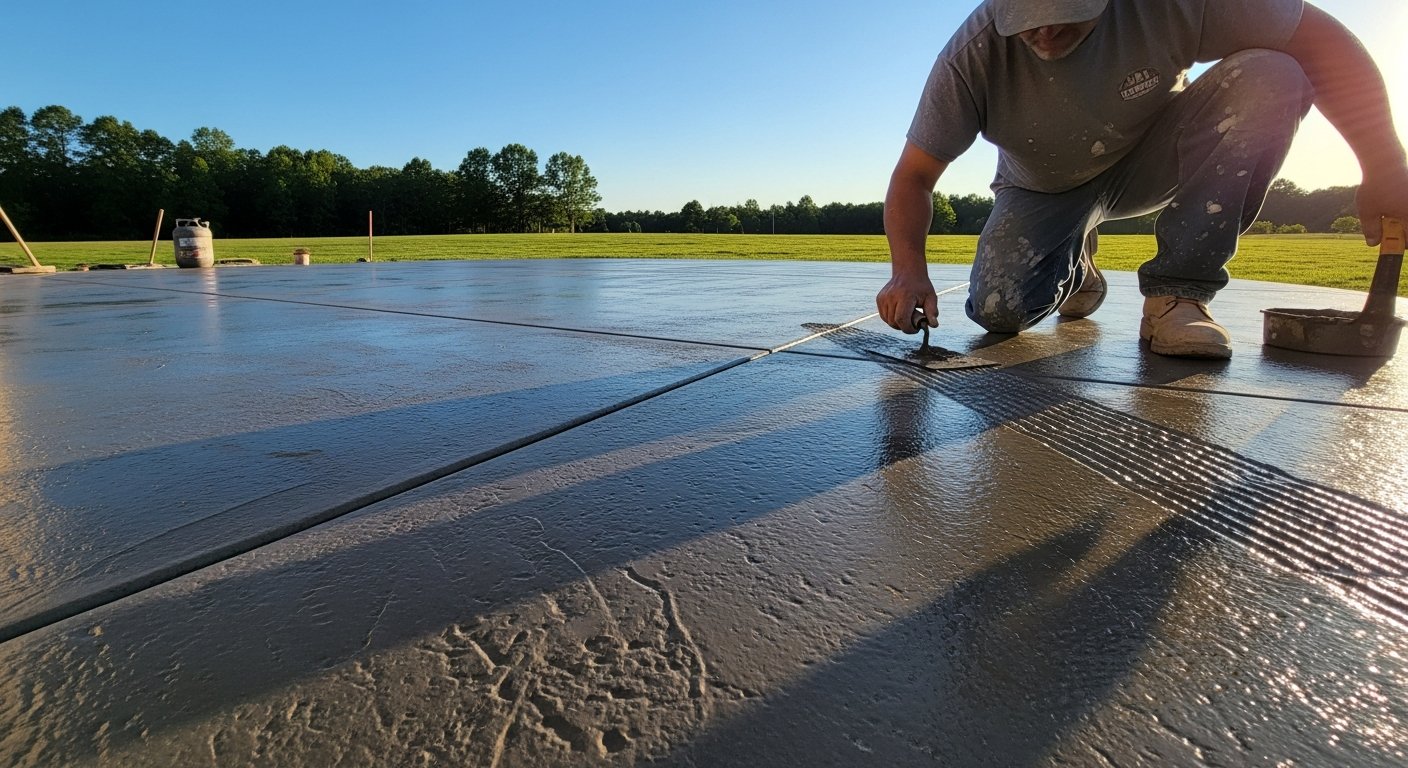
A concrete overlay is a cement-based polymer blend applied at a thickness of about 1/8 to 1/2 inch. It bonds directly to the old slab, hiding imperfections and creating a smooth, uniform surface. Overlays can be left plain or textured with a broom finish for slip resistance. This option is ideal for driveways, walkways, and patios that are structurally sound but look tired. Overlays cost less than stamping and are a fast way to refresh large areas.
One important consideration is that overlays require proper surface preparation. The old concrete must be cleaned, etched, and sometimes patched to ensure adhesion. In Batesville’s humid climate, this step is critical to prevent delamination. A professional contractor will pressure wash the surface and apply a bonding agent before the overlay goes down. The result is a durable surface that can last 8 to 15 years with proper sealing and maintenance.
Stamped Concrete Overlays
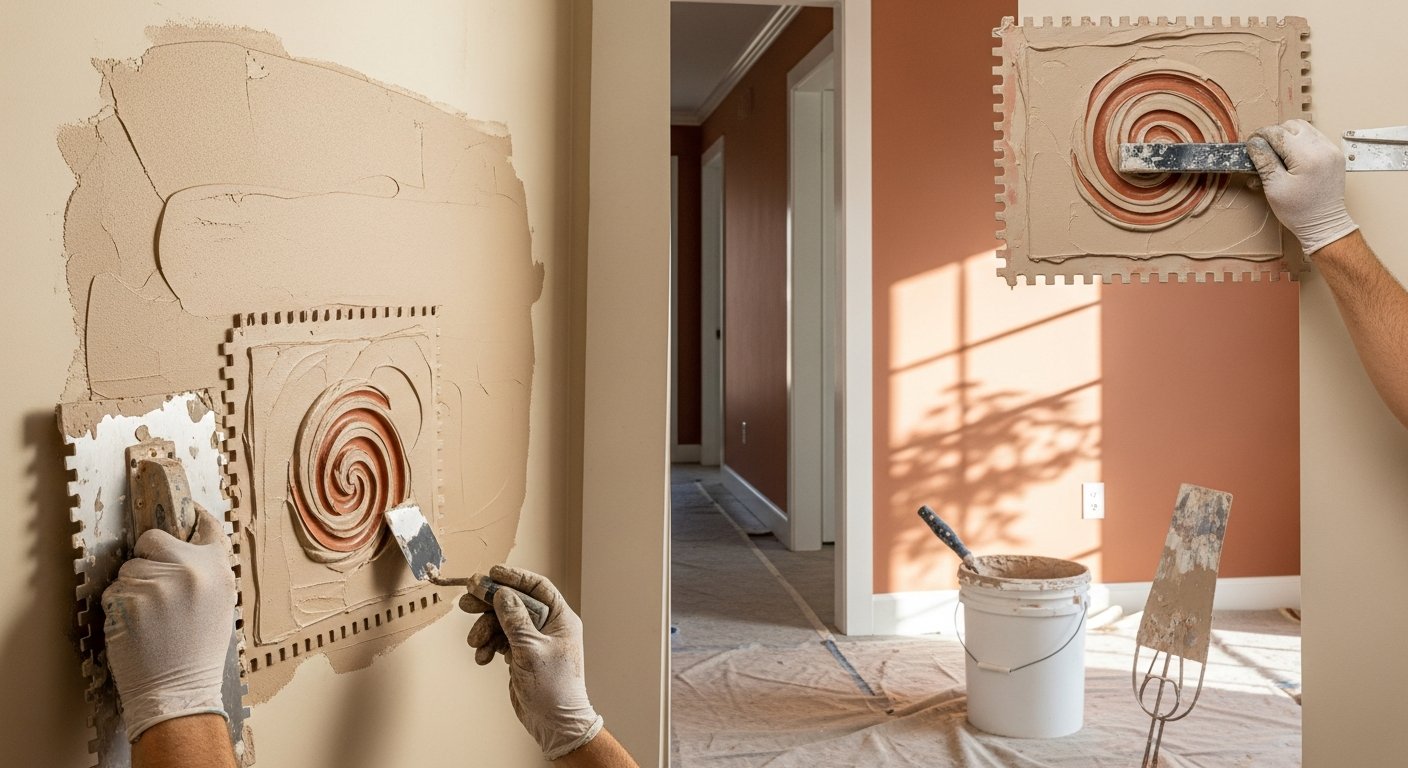
Stamped concrete overlays combine the benefits of resurfacing with decorative patterns that mimic stone, brick, or slate. A thin overlay is applied, then stamped with textured mats before it cures. This method gives you the look of expensive pavers or natural stone at a fraction of the cost. Stamped overlays are popular for patios, pool decks, and entryways where aesthetics matter most.
In Batesville, stamped overlays are a good choice because they can be colored and sealed to resist UV fading and moisture. The stamping process adds texture, which improves traction in wet conditions. However, stamped overlays require more skill to install correctly, so hiring an experienced contractor is essential. The Real Deal of Batesville has experience with stamped concrete patterns that complement Arkansas homes, from rustic cobblestone to modern ashlar slate.
Microtoppings
Microtoppings are ultra-thin overlays, usually less than 1/8 inch thick. They are designed to smooth out minor imperfections and create a sleek, modern finish. Microtoppings work best on interior floors, covered patios, or garage floors where heavy vehicle traffic is not an issue. They can be stained or painted for a custom look and are often used in contemporary home designs.
Because microtoppings are so thin, they cannot hide deep cracks or major damage. You need a nearly perfect base slab to use this option. For Batesville homeowners with newer concrete that has surface staining or light wear, microtopping provides an affordable refresh. It also dries quickly, allowing you to use the space within 24 hours in most cases.
Acid Staining Overlays
Acid staining is not a resurfacing method on its own, but it is often combined with overlays to add rich, translucent color. The stain reacts chemically with the concrete to produce unique marbled effects that cannot be replicated with paint. Acid staining works best on overlays that have been applied smoothly and cured fully. The result is a one-of-a-kind surface with depth and character.
This option is ideal for patios, walkways, and interior floors where you want a natural stone appearance. Acid staining does require sealing to protect the color from moisture and UV rays. In Arkansas, where humidity and rain are common, a high-quality sealer is essential for longevity. A local contractor can recommend the right stain colors and sealers for your project.
Factors to Consider for Batesville Homes
Choosing the right resurfacing option involves more than just appearance. Arkansas weather, soil conditions, and the age of your concrete all play a role in how well a resurfaced surface will hold up. Here are key factors to discuss with your contractor.
- Climate and moisture: Batesville experiences hot summers, cold winters, and significant rainfall. Resurfacing materials must be able to expand and contract without cracking. Polymer-modified overlays handle temperature swings better than basic cement mixes.
- Drainage and slope: Water pooling on a resurfaced surface can cause premature failure. Your contractor should check that the existing slab has proper slope and that the overlay does not create low spots where water collects.
- Traffic load: Driveways that support heavy vehicles need thicker overlays with higher compressive strength. Patios and walkways can use thinner applications. Be honest about how the surface will be used.
- Existing damage: Deep cracks, large spalls, or settling issues may require repair before resurfacing. In some cases, replacement is a better option than covering serious structural problems.
Taking the time to evaluate these factors with a professional ensures your resurfacing investment lasts. The Real Deal of Batesville offers free consultations to assess your concrete and recommend the best approach for your specific situation.
Cost Comparison: Resurfacing vs. Replacement
Cost is often the deciding factor for homeowners. Concrete resurfacing typically costs $3 to $7 per square foot, depending on the method and materials. Stamped overlays and acid staining are on the higher end, while basic overlays are more affordable. Full concrete replacement, including demolition and disposal, can run $8 to $15 per square foot or more.
For a standard two-car driveway of about 400 square feet, resurfacing might cost $1,200 to $2,800, while replacement could be $3,200 to $6,000. The savings are substantial, especially when you consider that resurfacing can extend the life of your concrete by 10 to 15 years. In addition, resurfacing avoids the need for heavy equipment and dumpster rentals, further reducing costs. In our guide on Automated Gate Systems Batesville Arkansas: A Homeowner Guide, we explain how coordinating resurfacing with other hardscape improvements can streamline your project and save money.
How to Prepare for a Concrete Resurfacing Project
Proper preparation is essential for a successful resurfacing job. Here is what you can expect when working with a professional contractor in Batesville.
The process begins with a thorough cleaning of the existing concrete. Pressure washing removes dirt, oil, grease, and loose debris. Any cracks wider than 1/8 inch are routed and filled with a patching compound. The surface is then etched with a mild acid solution or mechanically ground to create a rough texture that helps the overlay bond.
After preparation, the overlay material is mixed and applied. Depending on the method, it may be troweled, sprayed, or poured and spread evenly. For stamped overlays, the pattern is impressed while the material is still workable. Coloring can be added during mixing or applied afterward. Finally, a sealer is rolled or sprayed on to protect the surface from moisture, stains, and UV damage. The entire process typically takes two to four days, including curing time.
Maintaining Your Resurfaced Concrete
With proper care, resurfaced concrete can look great for years. Sealing is the most important maintenance step. A high-quality acrylic or polyurethane sealer should be reapplied every two to three years, or more often in high-traffic areas. Sealing prevents water penetration, reduces staining, and protects the color from fading.
Routine cleaning is simple. Sweep regularly to remove dirt and debris, and wash with a garden hose or mild pressure washer as needed. Avoid deicing salts in winter, as they can damage the sealer and the overlay. Instead, use sand for traction on icy surfaces. If you notice any chips or cracks, repair them promptly to prevent water from getting under the overlay. A local contractor can provide touch-up materials and advice for minor repairs.
Concrete resurfacing offers Batesville homeowners a practical way to rejuvenate their property without the cost and hassle of replacement. By choosing the right method and working with an experienced local contractor, you can enjoy a beautiful, durable surface that enhances your home for years to come.