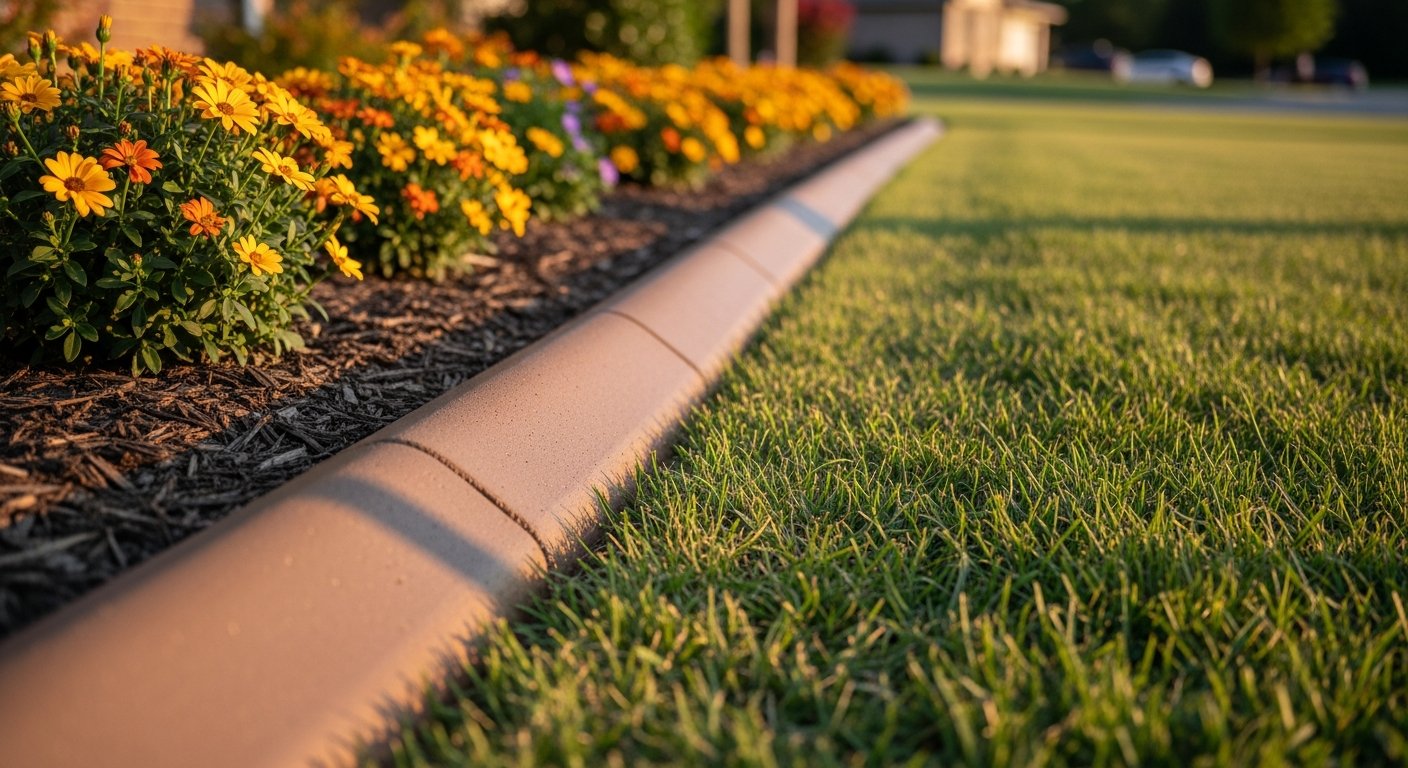
When you drive through neighborhoods in Batesville and across Arkansas, you notice a clear difference between homes that feel finished and those that feel incomplete. The secret often lies at the edges of the landscape. Decorative concrete borders edging Arkansas landscaping is the finishing touch that transforms a yard from ordinary to polished. It creates clean lines, defines flower beds, and prevents grass from invading your garden. More than a practical solution, it adds a layer of sophistication that boosts curb appeal and property value. If you are planning a landscape upgrade, understanding how decorative concrete edging works and why it suits Arkansas conditions will help you make a smart investment.
Why Decorative Concrete Borders Work for Arkansas Yards
Arkansas homeowners face a unique set of challenges. Hot humid summers, freeze-thaw cycles in winter, and heavy spring rains can wreak havoc on traditional landscape edging materials like plastic or untreated wood. Plastic edging cracks and shifts. Wood rots within a few seasons. Decorative concrete borders offer a permanent solution that stands up to the local climate without constant maintenance.
Concrete handles moisture well. When properly sealed it resists water absorption and freeze-thaw damage. This is critical for Arkansas where temperatures can swing from above freezing during the day to well below at night. Concrete edging also holds its shape. It does not warp, buckle, or migrate like other materials. Once installed, it stays where it belongs for decades.
Beyond durability, decorative concrete edging adds visual interest. You can choose from stamped patterns, exposed aggregate finishes, or smooth colored surfaces that complement your home’s exterior. This flexibility lets you match the edging to your driveway, patio, or walkway for a cohesive look. For Arkansas homeowners who take pride in their property, this is a game changer.
Key Benefits of Concrete Landscape Edging
Before you decide on a landscaping project, consider what decorative concrete borders bring to the table. Here are the primary advantages that make them a top choice for Arkansas properties:
- Erosion control on sloped lots: Arkansas has many hillside properties. Concrete edging acts as a barrier that holds soil in place during heavy rain, preventing washouts and protecting your garden beds.
- Weed and grass barrier: A continuous concrete border creates a physical block that stops Bermuda grass and other aggressive species from creeping into flower beds. This reduces your weeding time significantly.
- Low maintenance over time: Unlike wood that needs staining or plastic that requires replacement, concrete edging needs only occasional cleaning and resealing every few years. You save money and weekend hours.
- Increased property value: Well-defined landscape edges are one of the first things potential buyers notice. Concrete edging signals quality and care, which can boost resale value.
- Customizable appearance: From natural stone textures to smooth modern lines, concrete can mimic many materials. You get the look you want without the premium price of natural stone.
These benefits add up to a smarter approach to landscaping. Instead of fighting with materials that fail quickly, you invest once in a solution that performs year after year. That peace of mind matters when you are maintaining a home in Arkansas’s challenging climate.
Styles of Decorative Concrete Edging for Arkansas Homes
Not all concrete edging looks the same. The style you choose affects both function and appearance. Here are the most popular options that work well in Arkansas landscapes.
Stamped Concrete Borders
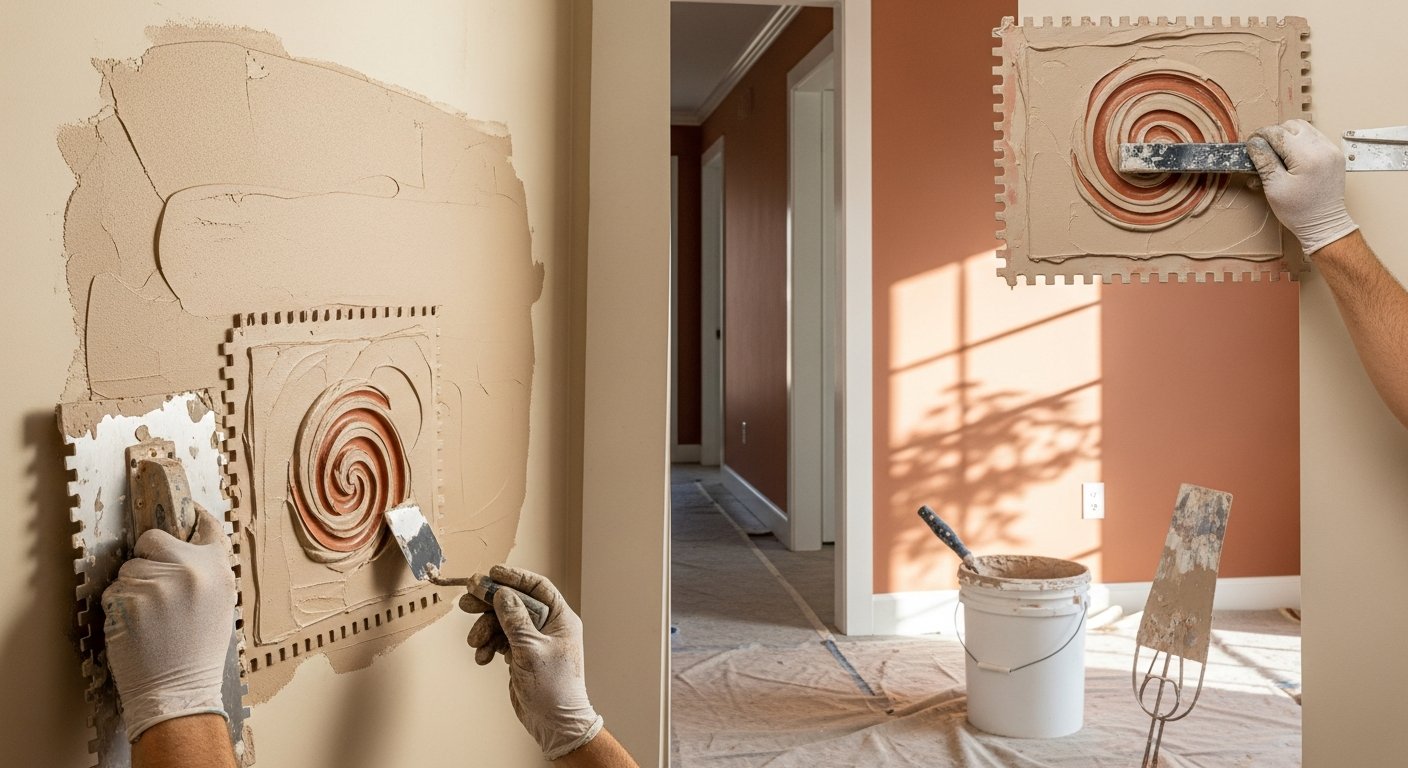
Stamped concrete edging uses textured mats to imprint patterns into freshly poured concrete. Common patterns include cobblestone, brick, flagstone, and slate. This style gives you the elegant look of natural stone at a fraction of the cost. Stamped borders work well for formal gardens, curved flower beds, and pool surrounds. They add a touch of class to any Arkansas yard.
Exposed Aggregate Edging
Exposed aggregate finishes reveal the small stones and pebbles within the concrete mix. The result is a textured nonslip surface with a natural appearance. This style blends beautifully with rustic or native landscapes common in the Ozarks and along the White River. It is also highly durable and resists wear from foot traffic and lawn equipment.
Colored Concrete Borders
Integral color or surface-applied colorants let you match your edging to your home’s trim, shutters, or hardscape. Earth tones like tan, brown, charcoal, and terracotta are popular choices in Arkansas because they complement the natural surroundings. Colored concrete does not fade quickly when properly sealed, so the vibrant look lasts.
Curved vs. Straight Profiles
You can install concrete edging in sweeping curves or clean straight lines. Curved borders work well for organic garden designs and flowing lawns. Straight edges suit modern architecture and formal landscapes. A skilled contractor can create either shape with precision, ensuring your edging follows the exact contours of your yard.
Each style offers a different feel. Walk your property and note which areas would benefit from definition. A combination of styles can also work. For example, use straight colored edging along a driveway and curved stamped borders around a patio garden. The possibilities are extensive.
Installation Process for Concrete Edging in Arkansas
Understanding how decorative concrete borders are installed helps you prepare for the project and know what to expect. Professional installation is critical for longevity and appearance. Here is the typical process used by experienced concrete contractors.
Step 1: Site preparation. The contractor marks the layout using spray paint or string lines. They then excavate a trench about 4 to 6 inches deep and 6 to 8 inches wide. This removes grass, roots, and soft soil that could cause settling later.
Step 2: Base compaction. A layer of crushed stone or gravel is placed in the trench and compacted. This base provides drainage and prevents the concrete from cracking during freeze-thaw cycles. In Arkansas, proper base preparation is essential because of the heavy clay soils that expand and contract with moisture changes.
Step 3: Forming and pouring. The contractor sets forms to create the desired shape. Concrete is mixed on site or delivered, then poured into the forms. For curved borders, flexible forms are used. The concrete is worked to remove air pockets and ensure a smooth surface.
Step 4: Finishing and stamping. Once the concrete begins to set, the finisher applies texture, stamping patterns, or exposed aggregate treatment. For colored concrete, color hardener or integral pigment is added at this stage. Edges are hand-tooled for a clean look.
Step 5: Curing and sealing. The concrete must cure for at least 24 to 48 hours before sealing. A high-quality sealer protects the surface from moisture, UV rays, and stains. It also enhances the color and gives a subtle sheen. Reapplication every two to three years keeps the edging looking fresh.
Professional installation ensures the edging is level, properly drained, and securely anchored. This avoids problems like heaving, cracking, or uneven settling that can occur with DIY attempts.
Cost Factors for Decorative Concrete Borders in Arkansas
The cost of decorative concrete edging varies based on several factors. Knowing these helps you budget accurately and compare quotes from contractors.
- Linear footage: Most contractors charge per linear foot. Typical rates in Arkansas range from $15 to $30 per foot depending on complexity. Simple straight borders cost less than intricate curves with stamping.
- Finish type: Basic broom finish is cheapest. Stamped patterns add $5 to $10 per foot. Exposed aggregate and custom colors are in the middle range.
- Site conditions: Rocky soil, steep slopes, or lots of tree roots increase labor time and cost. A flat clear site is the most economical.
- Accessibility: If the contractor cannot drive a concrete truck close to the site, hand-mixing or wheelbarrow transport adds labor charges.
- Sealing and maintenance: Some quotes include initial sealing. Others treat it as an add-on. Factor in resealing costs every few years.
Getting multiple estimates is wise. Ask each contractor for a detailed breakdown of materials, labor, and any additional fees. A higher upfront cost for quality work often saves money in the long run because the edging lasts longer and requires fewer repairs.
Maintaining Your Concrete Edging
One of the main reasons Arkansas homeowners choose decorative concrete borders is the low maintenance requirement. But no material is zero maintenance. A few simple steps keep your edging in top condition.
Clean the surface annually with a garden hose and a soft brush to remove dirt and mildew. Arkansas humidity can encourage algae growth in shaded areas, so a mild bleach solution may be needed once a year. Avoid pressure washing at high pressure because it can damage the sealer and surface.
Inspect the edging each spring for cracks or settling. Small hairline cracks are normal in concrete but can be filled with a concrete crack filler. If a section shifts due to frost heave, a professional can lift and reset it. Reseal the edging every two to three years. This is the most important step for preserving color and preventing moisture damage.
Keep lawn equipment away from the edges. String trimmers and mower decks can chip the surface over time. A buffer of mulch or gravel between the edging and the lawn reduces this risk. With these simple habits, your decorative concrete borders will look great for decades.
Choosing the Right Contractor in Arkansas
The success of your decorative concrete edging project depends heavily on the installer. Not all concrete contractors have experience with decorative borders. Look for someone who specializes in concrete landscaping features and has a portfolio of completed projects. Ask for references and visit recent jobs if possible.
In Batesville and the surrounding areas, The Real Deal of Batesville offers concrete pouring and finishing services that include decorative edging. Their team understands local soil conditions, climate challenges, and the aesthetic preferences of Arkansas homeowners. They can guide you through material selection, design options, and installation details to ensure a result that enhances your property for years.
When interviewing contractors, ask about their process for base preparation, stamping techniques, and sealing recommendations. A knowledgeable contractor will explain why each step matters. They should also provide a written contract with a clear scope of work, timeline, and payment schedule. Avoid contractors who give vague answers or pressure you to decide quickly.
Decorative concrete borders edging Arkansas landscaping is an investment in your home’s beauty and function. With the right design and professional installation, you create boundaries that define your outdoor space and make it more enjoyable. Whether you are refreshing existing flower beds or building a new garden from scratch, concrete edging delivers lasting value.
Take the time to plan your layout, choose a finish that complements your home, and hire a contractor with proven experience. Your yard will thank you with clean lines, fewer weeds, and a polished look that neighbors will admire. In a state where outdoor living is a way of life, well-defined edges make all the difference.