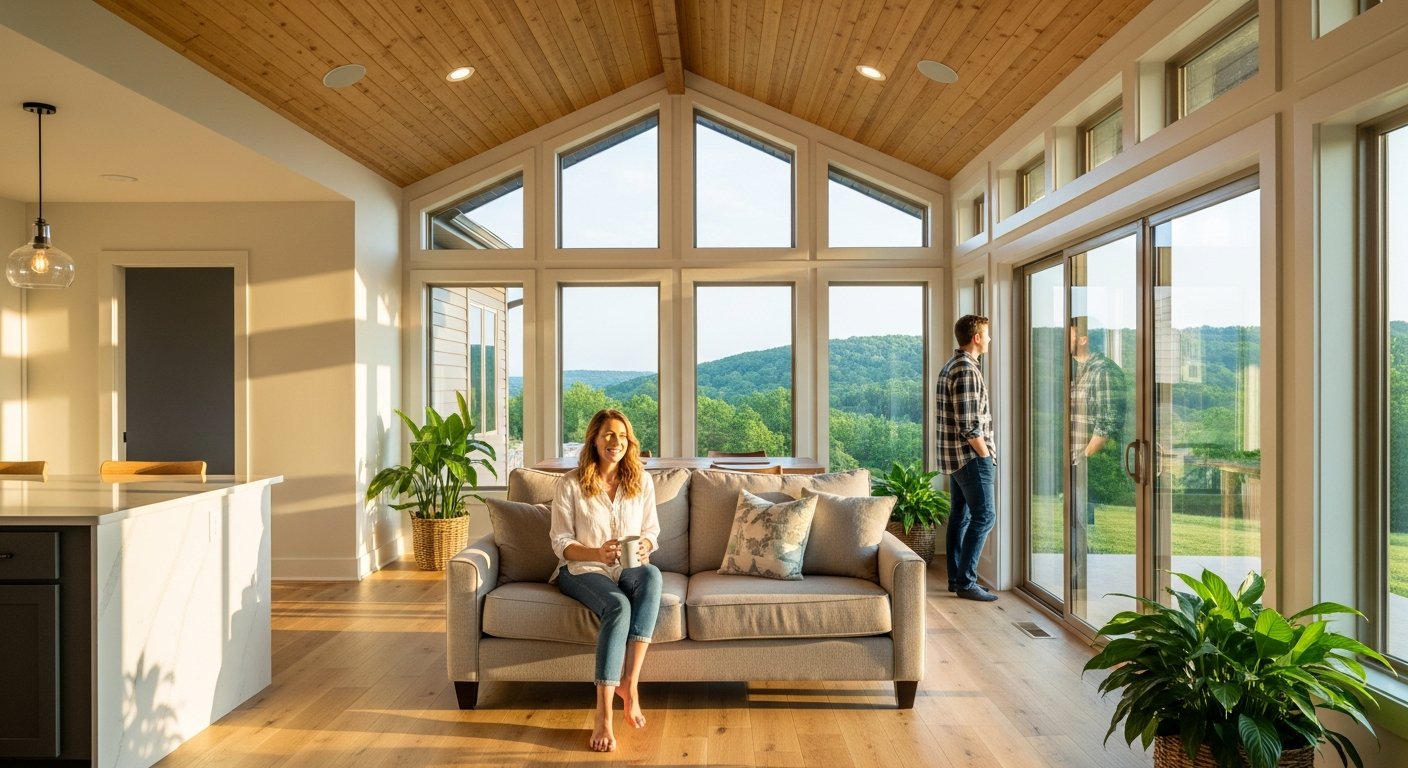
Imagine a home where a home office transforms into a guest bedroom in minutes, or where a playroom becomes a formal dining space for holiday gatherings without a single wall being moved. This level of adaptability is no longer a luxury reserved for high-end architecture; it is an achievable goal for Arkansas homeowners who invest in smart framing strategies. The key lies in how the structural bones of a house are designed. By using specific framing techniques, you can create interior spaces that are not just rooms, but versatile zones ready to evolve with your family’s changing needs. This approach is especially valuable in Batesville and surrounding areas, where homeowners are looking to maximize their square footage without undertaking massive, disruptive renovations.
Traditional home construction often locks you into a fixed floor plan that may not suit your lifestyle five or ten years down the road. By contrast, framing for flexible interior spaces Arkansas homes are increasingly adopting allows for future modifications without tearing down load-bearing walls. This method uses advanced engineering principles to create open spans and adaptable layouts. When you plan for flexibility from the start, every square foot of your home can serve multiple purposes over time, saving you money and stress in the long run.
What Makes Interior Framing Flexible?
Flexible interior framing is not about building temporary walls; it is about creating a structural system that supports change. The core idea is to minimize the number of permanent, load-bearing partitions. Instead of relying on interior walls to hold up the roof or upper floors, the structure transfers weight to exterior walls or strategically placed columns. This allows interior walls to be thin, non-structural partitions that can be moved or removed with minimal effort.
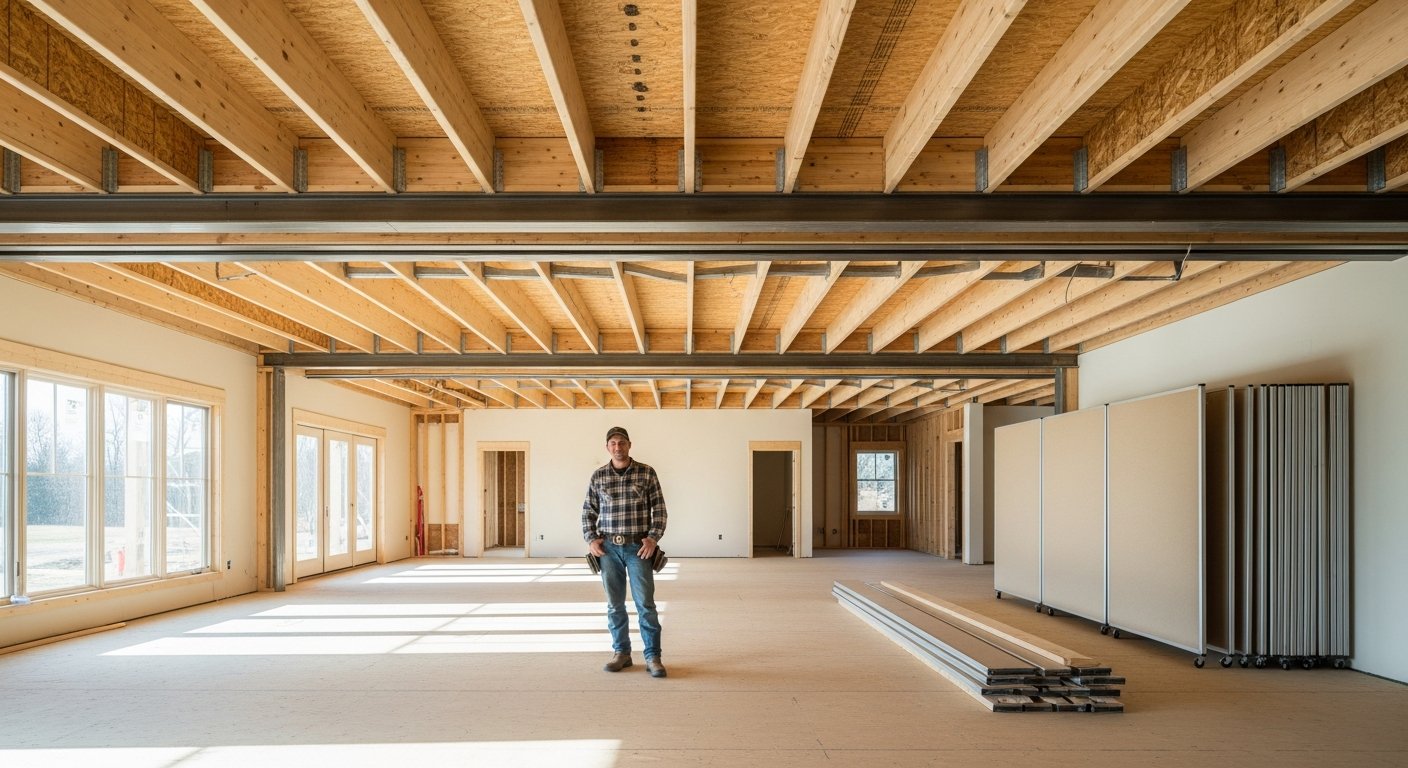
Several specific techniques make this possible. One of the most effective is using a post-and-beam system within the home’s core. This involves installing steel or engineered wood beams that carry the structural load across wide spans. By doing this, the interior walls become mere room dividers rather than structural necessities. Another method is advanced framing, also known as optimum value engineering (OVE). OVE reduces lumber usage by spacing studs further apart (typically 24 inches on center instead of 16) and using single top plates. This not only saves material costs but also creates wider, more open cavities that are easier to modify later.
Key Components of a Flexible Framing System
To successfully implement framing for flexible interior spaces Arkansas homes need a combination of thoughtful design and quality materials. Here are the essential components that contractors like The Real Deal of Batesville incorporate into these projects:
- Engineered floor trusses: These allow for longer spans between supports, eliminating the need for intermediate load-bearing walls on the main floor.
- Flush or hidden beams: Recessed beams within the ceiling plane create clean, uninterrupted surfaces that make future wall relocations seamless.
- Non-structural partition walls: These walls are built with standard studs but do not carry any load. They can be removed or repositioned without affecting the home’s structural integrity.
- Accessible utility chases: By running electrical, plumbing, and HVAC through accessible chases rather than inside permanent walls, you retain the ability to reconfigure spaces without costly re-routing.
Each of these components works together to create a home that is ready for change. When you combine engineered trusses with non-structural partitions, you effectively decouple the building’s skeleton from its interior layout. This means that a room used as a nursery today can become a home office tomorrow with nothing more than a weekend of cosmetic changes.
Why Arkansas Homes Benefit From Flexible Framing
Arkansas presents unique challenges and opportunities for homeowners. The state experiences a full range of weather, from humid summers to occasional ice storms. Flexible framing can actually improve a home’s resilience. For example, advanced framing techniques that reduce thermal bridging (the transfer of heat through studs) can improve energy efficiency. This is especially beneficial in Batesville, where utility costs can fluctuate with extreme temperatures.
Furthermore, many Arkansas families live in homes that were built decades ago, when open floor plans and adaptability were less common. As lifestyles evolve, the demand for multi-functional spaces has grown. A home that can serve as a quiet retreat for remote work, a bustling hub for family activities, and a welcoming space for guests is highly desirable. Flexible framing makes this possible without the expense of a full-scale addition. In fact, when you plan for flexibility during a new build or a major remodel, you are essentially future-proofing your investment. For more inspiration on how to make individual rooms stand out, you might look at our guide on living room accent wall ideas Arkansas homes love, which shows how adaptable spaces can still have strong design character.
Practical Steps for Achieving Flexible Spaces
If you are planning a new construction project or a significant remodel in Batesville or the surrounding areas, there are concrete steps you can take to ensure your home is built for flexibility. The process begins during the design phase, long before any lumber is delivered to the site.
Step 1: Work with a structural engineer early. A qualified engineer can calculate load paths and determine where beams and columns should be placed to maximize open spans. They will also ensure that your design meets Arkansas building codes, which have specific requirements for wind resistance and seismic loads in certain regions.
Step 2: Choose the right floor system. Open-web floor trusses or I-joists are excellent choices for flexible layouts. They allow for longer spans and provide easy pathways for mechanical systems. This means that if you want to move a bathroom or kitchen in the future, the plumbing and electrical can be rerouted through the accessible space between floors.
Step 3: Use non-structural interior walls. Specify on your blueprints that all interior walls (except those designated as shear walls for lateral stability) should be built as non-load-bearing. This simple change can save thousands of dollars in future renovation costs.
Step 4: Plan for future openings. Even if you do not plan to install a pocket door or a wide passage now, framing in rough openings for potential future doors can be done at minimal cost during construction. Later, adding a door to connect two rooms becomes a simple finish carpentry task instead of a structural project.
By following these steps, you are not just building a house; you are building a home that can grow and change with you. This is the essence of framing for flexible interior spaces Arkansas homes can truly benefit from.
Cost Considerations and Long-Term Value
One common concern homeowners have is whether flexible framing costs more than traditional methods. The answer is nuanced. In some cases, using engineered beams and advanced framing can actually reduce material costs because you use less lumber overall. However, the engineering and design fees may be slightly higher. On balance, the upfront cost is often comparable to conventional framing, especially when you factor in the long-term savings.
The real value comes from avoiding future renovation expenses. Moving a load-bearing wall can cost anywhere from $3,000 to $10,000 or more, depending on the complexity. If your home is already framed for flexibility, that cost drops dramatically. You might only need to patch drywall and paint. Additionally, homes with flexible floor plans are increasingly attractive to buyers. In the real estate market, a home that can serve a variety of lifestyles (young families, empty nesters, remote workers) often commands a higher resale value.
For Arkansas homeowners, there is also the benefit of reduced waste. When you can adapt existing spaces instead of building additions, you are making an environmentally responsible choice. Less construction waste ends up in landfills, and you preserve more of your property’s green space.
Partnering With a Local Expert
Successfully implementing flexible framing requires a contractor who understands both the technical aspects and the local building environment. In Batesville, The Real Deal of Batesville brings years of experience in advanced framing techniques and custom home construction. Whether you are building a new home or remodeling an existing one, our team can help you design a structural system that supports your vision for adaptable living spaces.
We start every project with a thorough consultation to understand your current needs and future plans. Do you expect to have aging parents living with you in a few years? Are you planning to start a home-based business? These factors influence where we place beams and how we configure the floor plan. By anticipating these changes, we can embed flexibility into the very bones of your home.
From the first framing nail to the final coat of paint, our goal is to deliver a home that works for you today and can be easily adapted tomorrow. We use only high-quality materials sourced from local suppliers, ensuring that your home can withstand Arkansas’s climate while offering the versatility you need.
Flexible interior framing is more than a construction trend; it is a smart, forward-thinking approach to homebuilding. By investing in this strategy, you are creating a home that can adapt to life’s many changes, from growing families to shifting work habits. If you are ready to explore how framing for flexible interior spaces can transform your Arkansas home, contact The Real Deal of Batesville. Let us help you build a space that truly works for every stage of your life.