Your kitchen is the busiest room in the house. It is where meals come together, kids do homework, and guests gather during parties. If you are planning a remodel in Arkansas, you have a chance to blend convenience with style. A smart kitchen appliances layout transforms how you cook, clean, and connect. The right plan saves time, reduces clutter, and boosts your home’s value. For homeowners in Batesville and across the Natural State, this approach is not just about buying new gadgets. It is about rethinking the space so everything works together seamlessly. Whether you are updating a historic home in Independence County or building fresh, a well-designed layout with smart technology makes daily life easier.
Why Smart Kitchen Appliances Matter for Your Arkansas Remodel
Arkansas summers are hot and humid. Winters bring cold snaps and occasional ice storms. Smart appliances handle these extremes while saving energy. A refrigerator with adaptive cooling keeps produce fresh longer in humid weather. An oven with remote preheat lets you start dinner before you walk through the door. These features are not luxuries. They are practical tools for busy families. When you pair them with a thoughtful layout, you avoid the frustration of cramped counters or appliances that block traffic flow. The goal is a kitchen that anticipates your needs.
Planning Your Smart Kitchen Appliances Layout in Arkansas
Before you buy anything, map out your kitchen on paper. Measure the floor space, note window and door locations, and mark where plumbing and electrical lines run. In an Arkansas remodel, older homes may need upgraded wiring to support smart devices. Consult a licensed contractor early to avoid surprises. A typical layout follows the work triangle: sink, stove, and refrigerator. Smart appliances add new considerations. For example, a smart refrigerator with a touchscreen works best away from direct sunlight to prevent glare. A voice-controlled faucet needs a clear counter area for motion sensors. Plan each zone with care.
Zone 1: The Smart Refrigerator Station
Place your refrigerator where it opens away from the main walkway. In an Arkansas kitchen, this prevents cold air from escaping into hallways during summer. Choose a model with interior cameras so you can check stock while grocery shopping. Allow at least 36 inches of clearance in front for full door swing. If you add a built-in coffee maker or ice maker nearby, group them on a dedicated circuit. This prevents tripping breakers during holiday cooking.
Zone 2: The Connected Cooking Area
Smart ranges and ovens offer precise temperature control and remote monitoring. Position the cooktop away from windows to avoid drafts that affect flame or induction performance. In Arkansas, induction cooktops are gaining popularity because they cool faster and reduce humidity in the kitchen. Place a smart exhaust hood above that activates automatically when it detects heat or steam. Keep a counter space of at least 15 inches on each side of the cooktop for setting down hot pans. A smart thermometer built into the oven can send alerts to your phone, so you never overcook a roast.
Zone 3: The Intelligent Cleanup Zone
Smart dishwashers learn your schedule and run during off-peak energy hours. Place the dishwasher next to the sink for easy scraping and loading. Choose a model with a third rack for utensils, which frees up space in the main racks. A smart faucet with touchless activation helps when your hands are messy. Position the soap dispenser within reach. Consider a trash can that opens automatically and seals odors, which is helpful in Arkansas heat. Run a dedicated water line for the refrigerator and ice maker to avoid pressure drops.
Integrating Smart Technology Into Your Arkansas Kitchen Remodel
Smart appliances need a reliable network. During your remodel, run Ethernet cables to the kitchen area for a strong connection. Wi-Fi extenders may be necessary in larger homes. Many smart appliances use apps that require firmware updates. A stable network ensures these updates happen without interrupting your cooking. Voice assistants like Alexa or Google Home can control lights, ovens, and music. Place a smart speaker on the counter but away from the sink to avoid water damage. Label all circuit breakers clearly for future troubleshooting.
Choosing Appliances That Fit Arkansas Living
Arkansas homeowners face unique conditions. High humidity can affect electronics. Look for appliances with stainless steel exteriors that resist corrosion. Energy Star rated models reduce electricity bills, which is important during long air conditioning seasons. For those who love canning or preserving produce, a smart induction cooktop with precise low-temperature control is ideal. If you entertain often, a smart refrigerator with a built-in beverage drawer keeps drinks cold without opening the main door. Below are features to prioritize:
- Adaptive cooling that adjusts to room temperature for better food preservation
- Remote diagnostics so technicians can troubleshoot before visiting your home
- Voice control for hands-free operation while cooking
- Energy monitoring to track usage and save money
- Self-cleaning cycles that reduce manual scrubbing
These features add convenience and protect your investment. A smart refrigerator with adaptive cooling costs more upfront but can extend food life by days, reducing waste. Remote diagnostics save time if a part fails. Voice control helps when your hands are covered in flour. Energy monitoring shows which appliances use the most power, helping you adjust habits.
Working With a Local Contractor for Your Smart Kitchen Remodel
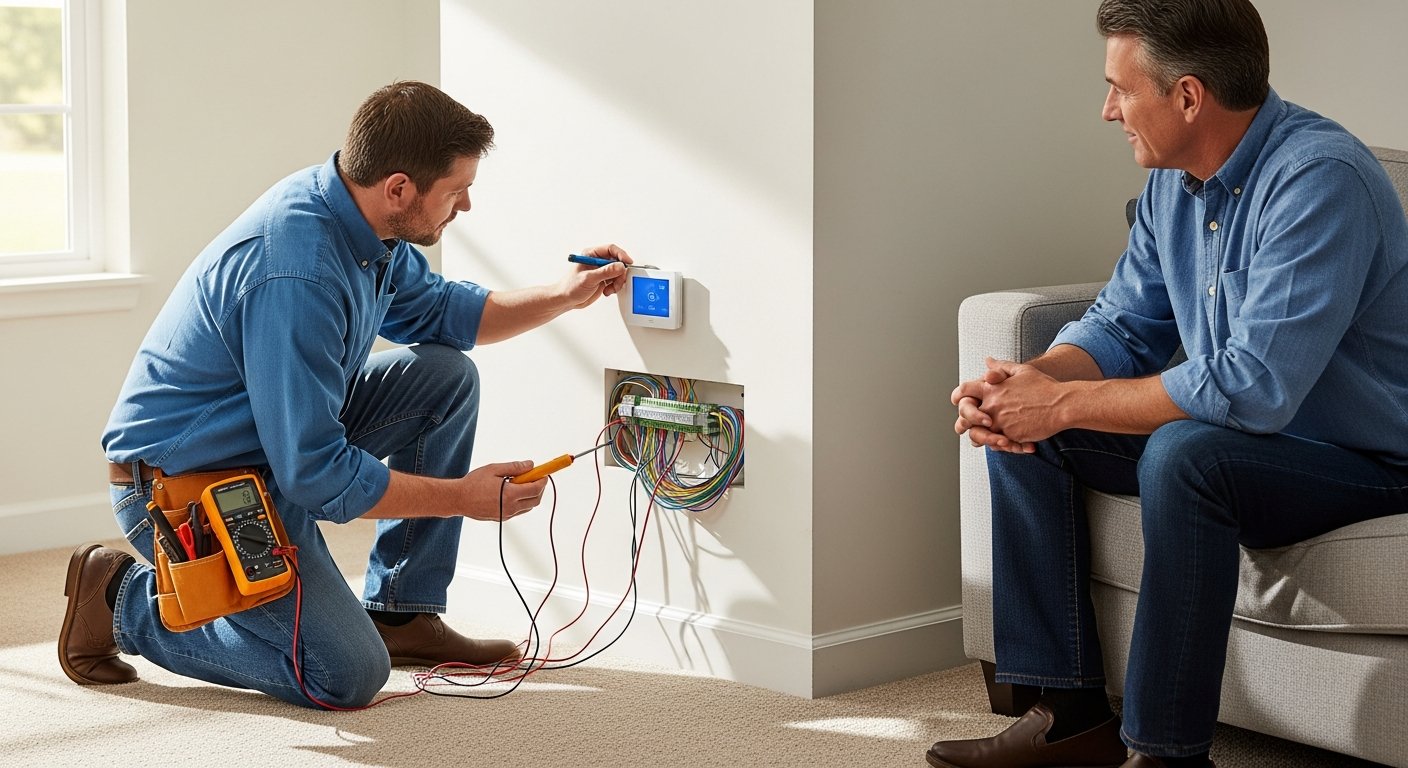
A successful smart kitchen remodel requires a team that understands both construction and technology. In Arkansas, working with a local contractor who knows the building codes and climate is essential. They can advise on electrical upgrades, ventilation requirements, and placement of smart devices. For example, they will know that Arkansas code requires GFCI outlets near sinks and within six feet of water sources. They can also recommend materials that handle humidity, like quartz countertops that resist staining and engineered hardwood that withstands moisture. A good contractor coordinates the electrician, plumber, and carpenter so the layout flows smoothly. Ask about their experience with smart home integration during the interview process.
If you are considering a larger renovation that includes other rooms, explore our guide on Smart Small Bathroom Remodel: Maximize Space in Arkansas for complementary ideas. The same principles of efficient layout and modern technology apply throughout your home.
Budgeting for a Smart Kitchen Appliances Layout
Smart appliances cost 10 to 30 percent more than standard models. However, the long-term savings in energy and food waste often offset the difference. Allocate your budget with these priorities:
- Refrigerator: Spend more on a model with adaptive cooling and interior cameras
- Range or cooktop: Choose induction for efficiency and safety
- Dishwasher: Look for quiet operation and delayed start features
- Faucet and lighting: Invest in touchless faucets and dimmable smart lights
- Network equipment: Budget for a strong Wi-Fi router or mesh system
Plan for electrical work. Older homes in Arkansas may need a panel upgrade to handle the load. A 200-amp service is recommended for a fully smart kitchen. Get quotes from at least three contractors to compare pricing. Remember that financing options are available for major remodels. Some utility companies offer rebates for Energy Star appliances, so check local programs before buying.
Designing for Function and Flow
A smart kitchen is not just about gadgets. It is about how the space feels. In Arkansas, where open concept floor plans are popular, the kitchen often flows into the living and dining areas. Position the sink so you can see the backyard or family room. This allows you to watch kids or enjoy the view while washing dishes. Place the refrigerator near the entrance of the kitchen for easy access when carrying groceries. Keep the trash and recycling pull-out cabinet close to the prep area. Smart lighting can adjust based on time of day, brightening for meal prep and dimming for dinner. Motion sensors under cabinets light up countertops automatically. These details make the kitchen feel intuitive.
Future-Proofing Your Kitchen Remodel
Technology changes fast. When planning your layout, include features that allow for upgrades. Install conduit behind walls so you can pull new cables later. Choose appliances that support over-the-air firmware updates. Pick a hub that works with multiple brands, like Samsung SmartThings or Apple HomeKit. This prevents lock-in to one ecosystem. In Arkansas, where extreme weather can cause power outages, consider a backup battery for your refrigerator and router. This keeps food cold and your smart home online during storms. Label all wires and keep manuals in a waterproof folder stored in the kitchen.
Finally, think about resale value. A smart kitchen appeals to buyers, especially younger families. Homes with updated kitchens sell faster and for higher prices. Focus on timeless finishes like white or gray cabinets with matte black hardware. Add smart touches that are easy to use, not overwhelming. A simple smart thermostat, smart lock, and smart kitchen package can make your home stand out in the Arkansas market.
Your kitchen remodel is a major investment. By combining a smart appliances layout with professional guidance, you create a space that serves your family for years. Start with a clear plan, choose quality products, and work with a contractor who shares your vision. The result will be a kitchen that is efficient, enjoyable, and truly smart.