
Building a custom home in Arkansas is more than a construction project, it is a journey to create a personal sanctuary that reflects your lifestyle and embraces the unique character of the Natural State. From the rolling Ozark foothills to the serene Delta plains, your home’s location demands a builder with deep local knowledge and specialized expertise. Navigating the vast landscape of custom home builders in Arkansas requires careful planning, clear vision, and an understanding of what truly sets the best builders apart. This guide will walk you through the essential steps, from defining your dream to selecting the right partner, ensuring your build is as rewarding as the day you move in.
Understanding the Arkansas Custom Home Advantage
Choosing to build a custom home in Arkansas offers distinct benefits that go beyond a simple floor plan selection. You gain the opportunity to tailor every aspect of your living environment to your family’s needs, aesthetic preferences, and long-term goals. Unlike production homes, a custom build allows for intentional site placement to capture breathtaking views, maximize natural light, or provide privacy. It means selecting materials that suit the local climate, from durable siding that withstands seasonal shifts to energy-efficient systems that manage both humid summers and crisp winters. Most importantly, it results in a home with inherent value, both emotionally and financially, designed uniquely for you from the ground up.
This process also lets you integrate smart home technology from the start, design spaces for multi-generational living, or create dedicated areas for hobbies and Arkansas’s outdoor lifestyle. The control is in your hands, guided by the expertise of your chosen builder. The outcome is a home that not only shelters you but also enhances your daily life, perfectly situated within Arkansas’s diverse and beautiful landscapes.
The Step-by-Step Process of Building Custom in Arkansas
A successful custom home build follows a structured yet flexible process. Understanding each phase demystifies the journey and sets realistic expectations for collaboration with your builder.
The initial phase is foundational. It begins with deep introspection and research. You must define your budget with clarity, including a contingency fund for unforeseen circumstances. Simultaneously, you need to develop a wish list that distinguishes between must-haves and nice-to-haves. This is also the time for the critical task of selecting your lot, considering factors like topography, utility access, zoning restrictions, and the natural environment. Once these elements are aligned, you can begin interviewing potential custom home builders in Arkansas.
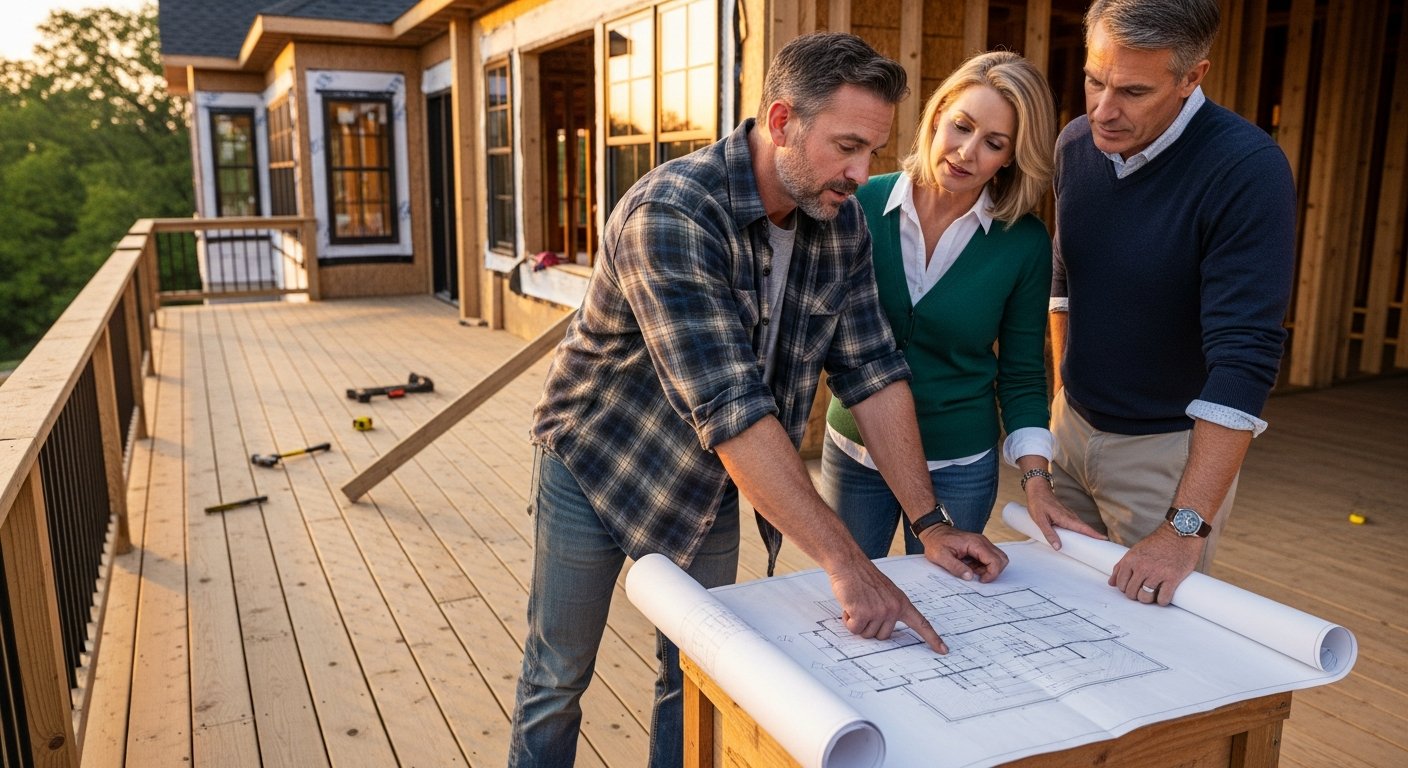
After selecting your builder, the design and planning phase commences. This typically involves working with an architect or the builder’s design team to translate your ideas into preliminary sketches and then detailed construction drawings. During this stage, you will make countless decisions on layout, materials, and fixtures. Your builder should provide guidance on cost implications and feasibility. Once designs are finalized and permits are secured, the physical construction begins. A reputable builder will maintain transparent communication throughout, providing regular updates as the project moves from foundation to framing, through mechanical installations, and into the finishing stages.
To ensure a smooth process, consider these key steps:
- Financial Preparation: Secure financing pre-approval and establish a detailed budget that includes land, construction, design fees, permits, and a 10-15% contingency.
- Vision Development: Create an inspiration portfolio with photos, sketches, and notes to clearly communicate your style and functional needs to your builder.
- Builder Vetting: Conduct thorough interviews, verify licenses and insurance, visit past projects, and check references with previous clients.
- Contract Clarity: Sign a detailed, fixed-price or cost-plus contract that outlines scope, schedule, payment schedule, change order procedures, and warranty terms.
- Continuous Engagement: Participate in scheduled walk-throughs and meetings, ask questions promptly, and make decisions in a timely manner to avoid delays.
What to Look for in an Arkansas Custom Home Builder
Not all construction companies are equipped for true custom home building. The ideal partner is a specialist who views your project as a collaborative creation. The first and non-negotiable criterion is proper licensing and insurance. Arkansas requires specific licensing for contractors, and you must verify that your builder carries ample general liability and worker’s compensation coverage. Beyond the paperwork, seek a builder with a proven portfolio of custom homes, not just speculative or tract builds. Their past work should demonstrate versatility and quality that aligns with your vision.
Local experience is paramount. A builder familiar with Arkansas’s specific building challenges, such as soil types in your region, local weather patterns, and even municipal permit processes, will navigate these hurdles efficiently. They will also have established relationships with reliable subcontractors and suppliers, which is crucial for maintaining quality and schedule. Transparency in communication is another vital trait. Your builder should be accessible, willing to explain details, and proactive in addressing concerns. Finally, examine their contract meticulously. It should be comprehensive, clear on responsibilities, and fair in its terms for handling changes or unexpected issues.
Key Considerations Unique to the Arkansas Landscape
Building in Arkansas presents wonderful opportunities and specific considerations that your custom home builder must expertly manage. The topography varies dramatically. A hillside lot in the Ozarks requires different foundational engineering (and potentially different costs) than a flat, wooded parcel in the River Valley or a more open space in Central Arkansas. Soil composition, from rocky terrain to expansive clay, directly impacts excavation and foundation design. A seasoned local builder will conduct proper site evaluations and recommend the best structural approach.
Climate is another major factor. Arkansas experiences high humidity, substantial rainfall, and temperature extremes. Your home’s design and construction must account for this. This includes recommending optimal insulation levels (often exceeding code), moisture management strategies for crawl spaces or basements, HVAC systems sized and selected for efficiency in humid conditions, and roofing and siding materials proven to endure. Furthermore, incorporating outdoor living spaces, like screened porches or decks, is a popular and practical way to enjoy Arkansas’s natural beauty while considering insect control and sun exposure.
Budgeting Realistically for Your Arkansas Custom Home
A clear and realistic budget is the cornerstone of a successful project. The total cost encompasses far more than just the construction contract per square foot. You must account for land purchase (if not already owned), site work (clearing, grading, driveway, septic/well if needed), architectural and design fees, permit fees, and utility connections. The construction cost itself includes materials, labor, and the builder’s overhead and profit. Inside that, finishes (cabinetry, countertops, flooring, fixtures) represent a variable where choices can significantly sway the final number.
It is critical to discuss budget openly with potential custom home builders in Arkansas from the first meeting. Be upfront about your total investment capability. A trustworthy builder will help you understand cost drivers and suggest areas where value engineering can be applied without sacrificing quality. They should provide a detailed, line-item estimate that breaks down costs. Always, without exception, include a contingency fund of 10% to 15% of the total construction budget to cover unforeseen conditions or changes you may decide to make during the process. Financing also requires forethought, construction loans have different draw schedules and requirements than traditional mortgages, so consult with lenders experienced in custom home building.
Questions to Ask Potential Builders
Arming yourself with the right questions is your best tool during the selection process. These inquiries go beyond price to uncover a builder’s process, reliability, and compatibility with your project.
- Can you provide a list of references from clients who built homes of similar scope and style within the last two years?
- What is your typical project timeline for a home of my size, and what are the key factors that can cause delays?
- How do you handle communication and updates? Will I have a single point of contact?
- Can you walk me through your change order process and how costs for changes are determined and approved?
- What does your warranty cover, and for how long? What is the process for submitting a warranty request?
- Are you licensed and insured specifically for work in my county or city? Can you provide proof?
- How do you manage quality control and inspections during the different phases of construction?
Asking these questions will reveal not only the builder’s professionalism but also their willingness to partner with you transparently. Pay close attention to how they answer, not just what they say. A good builder welcomes these questions as a sign of an informed and serious client.
Navigating Design and Material Selection
The design and selection phase is where your home truly takes shape. Working with your builder and possibly an architect, you will make decisions that affect both aesthetics and long-term functionality. Start with the flow of the home, considering how your family lives. Do you need a dedicated home office, a mudroom for outdoor gear, or a flexible guest suite? Think about energy efficiency from the start, investing in higher-grade windows, insulation, and HVAC equipment can yield significant savings in Arkansas’s climate.
Material selection requires balancing beauty, durability, and budget. Your builder’s input is invaluable here. They can recommend flooring that stands up to humidity, exterior materials that require minimal maintenance against pollen and rain, and roofing products rated for high winds. They also have access to trade pricing and can often source quality materials more efficiently. Establish a systematic selection schedule early on to avoid last-minute decisions that can delay construction. Making these choices with your builder’s practical guidance ensures your dream home is also a resilient and manageable one.
Building a custom home in Arkansas is a significant undertaking, but with the right preparation and the right partner, it is an immensely fulfilling one. By taking a methodical approach to planning, budgeting, and selecting a builder with proven local expertise, you lay the groundwork for a successful build. Your custom home will be more than just a structure, it will be a personal retreat crafted for your life, designed to withstand the elements, and built to become a lasting part of the Arkansas landscape. The journey requires patience and partnership, but the reward is a home that is authentically and uniquely yours.