When utility bills climb higher each summer and winter, many Batesville homeowners start looking for ways to make their homes more comfortable without breaking the bank. The good news is that strategic energy efficient home remodel upgrades in Batesville Arkansas can lower your monthly costs, increase your property value, and create a healthier indoor environment for your family. Whether you are planning a full renovation or just want to tackle the most impactful projects first, understanding which upgrades deliver the best return on investment is essential.
Batesville experiences hot, humid summers and chilly winters with occasional ice storms. This climate puts extra stress on heating and cooling systems, which means the average home in Independence County spends a significant portion of its energy budget simply maintaining a comfortable temperature. By focusing on the building envelope, mechanical systems, and smart technology, you can dramatically reduce energy waste. Below we explore the most effective upgrades, the costs involved, and how a local contractor can help you achieve lasting results.
Why Focus on the Building Envelope First
The building envelope is the physical barrier between your conditioned interior and the outdoors. It includes your walls, roof, foundation, windows, and doors. If this envelope has gaps, poor insulation, or single-pane windows, no amount of high-efficiency HVAC equipment will keep your energy bills low. That is why envelope upgrades are the foundation of any energy efficient home remodel upgrades in Batesville Arkansas.
Attic Insulation and Air Sealing
Hot air rises, which means your attic is the single largest source of heat loss in winter and heat gain in summer. Many older Batesville homes have insufficient attic insulation, often just 6 to 8 inches of fiberglass batts. Modern standards call for R-49 or higher, which translates to roughly 16 to 18 inches of blown-in cellulose or fiberglass. Air sealing is equally important. Before adding insulation, a contractor should seal every gap around plumbing vents, electrical wires, and attic hatches with caulk or spray foam. This combination can reduce your heating and cooling load by 20 to 30 percent.
For Batesville homeowners, the payoff is substantial. A typical attic upgrade costs between $1,500 and $3,500 depending on square footage, but the monthly savings on energy bills often recoup that investment within two to three years. Plus, a well-insulated attic keeps your upstairs rooms more comfortable year-round.
Wall Insulation and Window Upgrades
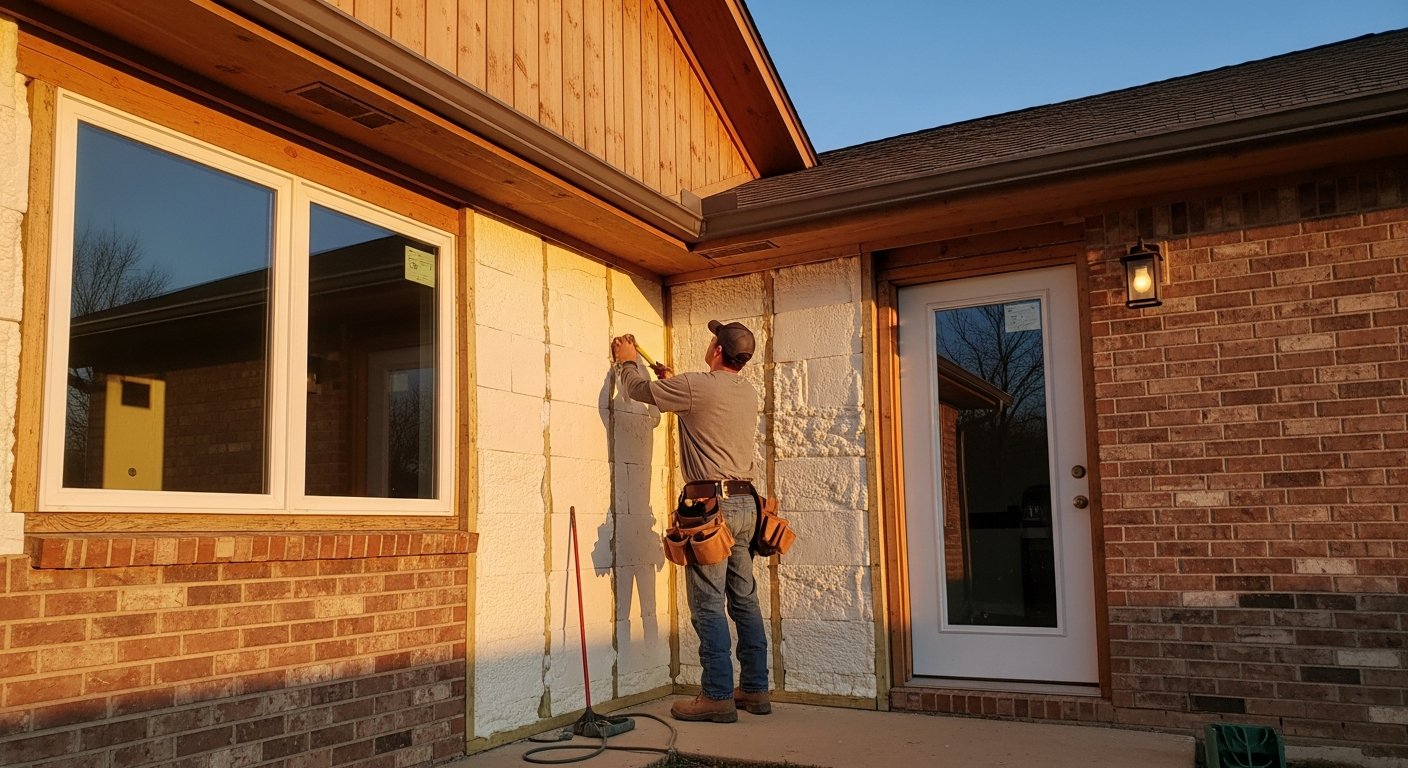
Walls in homes built before 1980 often have little to no insulation. If you are already planning a remodel that involves opening up walls, this is the perfect time to add blown-in or spray foam insulation. For existing walls without insulation, contractors can drill small holes from the exterior and fill the cavities with dense-pack cellulose. This process is minimally invasive and can cut heat transfer through walls by up to 40 percent.
Windows are another critical component. Old, single-pane windows with aluminum frames are energy sieves. Replacing them with double-pane, low-E coated vinyl or fiberglass windows reduces heat transfer and blocks harmful UV rays that fade furniture. The cost of window replacement in Batesville ranges from $400 to $1,200 per window installed, but the improvement in comfort and reduced drafts is immediate. For homeowners on a tighter budget, storm windows or high-quality cellular shades provide a more affordable alternative.
High-Efficiency HVAC and Water Heating
Once your building envelope is tightened, the next step is to upgrade your mechanical systems. An oversized or outdated furnace, air conditioner, or water heater wastes energy and shortens equipment lifespan. Modern units with high SEER (Seasonal Energy Efficiency Ratio) and AFUE (Annual Fuel Utilization Efficiency) ratings use significantly less electricity and gas.
Heat Pumps: A Smart Choice for Batesville’s Climate
Heat pumps have become increasingly popular in Arkansas because they provide both heating and cooling from a single system. Unlike traditional furnaces that burn fuel, heat pumps move heat from one place to another. In summer, they extract heat from inside your home and release it outdoors. In winter, they reverse the process, pulling heat from the outside air (even when temperatures are below freezing) and bringing it inside. Modern cold-climate heat pumps maintain efficiency down to about 5 degrees Fahrenheit, which covers the vast majority of Batesville winter days.
Installing a high-efficiency heat pump as part of your energy efficient home remodel upgrades in Batesville Arkansas can reduce your heating costs by up to 50 percent compared to electric resistance heating or an older furnace. The upfront cost is higher, typically $5,000 to $10,000 for a whole-home system, but federal tax credits and local utility rebates can offset a significant portion. Over its 15-year lifespan, a heat pump often pays for itself in energy savings alone.
Tankless and Heat Pump Water Heaters
Water heating accounts for about 18 percent of a typical home’s energy use. Traditional tank water heaters constantly heat and reheat 40 to 60 gallons of water, even when no one is using it. Tankless water heaters, which heat water on demand, eliminate standby losses and can be 24 to 34 percent more efficient. They also take up less space and last longer, often 20 years versus 10 to 12 for tank models.
Heat pump water heaters are an even more efficient option. They use electricity to move heat from the surrounding air into the water, achieving efficiency ratings two to three times higher than conventional electric water heaters. The cost is higher upfront, around $1,500 to $3,000 installed, but the energy savings can be substantial. In humid Batesville summers, the heat pump water heater also dehumidifies the space where it is installed, which is a nice bonus for unconditioned basements or utility rooms.
Smart Home Technology for Energy Management
Technology has made it easier than ever to monitor and control your home’s energy use. When combined with the physical upgrades above, smart devices amplify your savings and add convenience.
Programmable and Smart Thermostats
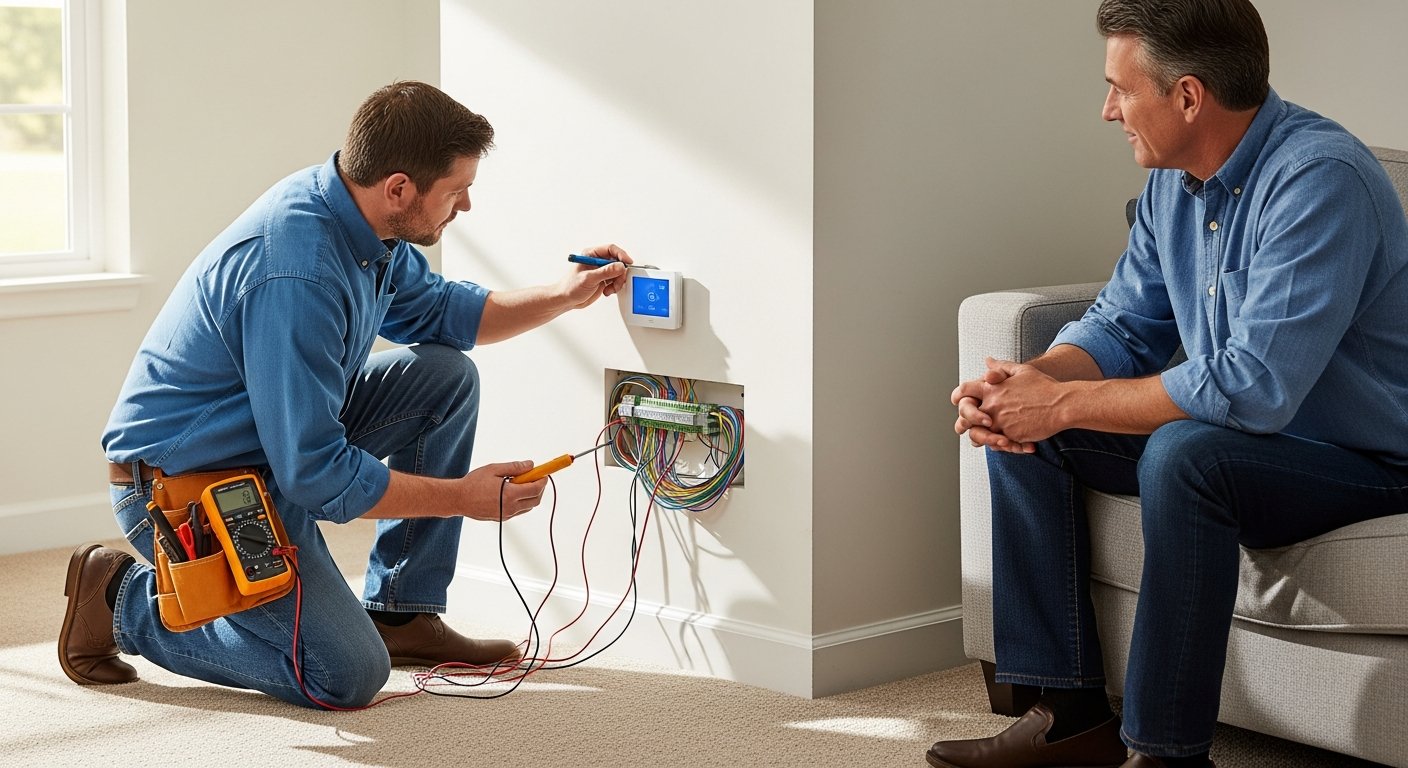
Installing a smart thermostat is one of the quickest and most affordable energy upgrades you can make. These devices learn your schedule, adjust temperatures automatically when you are away, and provide detailed energy reports. Many models also integrate with home automation systems, allowing you to control your HVAC from your smartphone. The U.S. Department of Energy estimates that a smart thermostat can save homeowners about 10 percent on heating and cooling costs annually. With prices starting around $100 and installation fees minimal, this upgrade often pays for itself within a year.
Energy Monitoring and Smart Lighting
Whole-home energy monitors, such as those that clip onto your main electrical panel, give you real-time data on exactly where your electricity is going. This insight helps you identify energy-hungry appliances and change usage habits. Smart lighting, including LED bulbs with motion sensors and automated schedules, reduces electricity consumption for lighting by up to 75 percent. Replacing just five of your most-used light fixtures with ENERGY STAR-certified LEDs can save about $75 per year.
Prioritizing Your Upgrade Path
With so many options available, deciding where to start can feel overwhelming. A phased approach based on return on investment and current home condition works best. Here is a recommended priority list for energy efficient home remodel upgrades in Batesville Arkansas:
- Attic air sealing and insulation: Highest impact for lowest cost. Start here to stop the largest energy leaks.
- Air duct sealing and insulation: Leaky ducts in unconditioned spaces can waste 20 to 30 percent of HVAC energy. Seal and insulate all accessible ductwork.
- Smart thermostat installation: Quick, affordable, and immediately reduces heating and cooling waste.
- Window and door weatherstripping: Caulk and weatherstrip gaps around doors and windows to eliminate drafts.
- High-efficiency HVAC upgrade: Replace systems older than 15 years with a heat pump or high-SEER air conditioner.
- Water heater replacement: Switch to tankless or heat pump water heater when your current unit nears the end of its life.
Following this sequence ensures you do not oversize new HVAC equipment for a leaky house. Sealing and insulating first reduces the load, allowing you to install a smaller, more efficient heating and cooling system that costs less to operate.
Working With a Local Contractor
While some energy upgrades are DIY-friendly, many require professional expertise to achieve maximum performance. A local Batesville contractor like The Real Deal of Batesville understands the specific climate challenges and building practices common to the region. They can perform a whole-home energy audit using tools like a blower door test and thermal imaging camera to pinpoint exactly where your home is losing energy. This data-driven approach ensures you invest in the upgrades that matter most for your specific home.
Professional installation also matters for safety and warranty compliance. Improperly installed insulation can settle, lose R-value, or create moisture problems. A poorly sealed duct system can introduce indoor air quality issues. By working with a qualified contractor, you protect your investment and avoid costly mistakes. In our guide on basement remodeling ideas for Batesville Arkansas homes, we discuss similar strategies for optimizing below-grade spaces for energy efficiency.
The initial cost of a comprehensive energy upgrade may seem significant, but consider the long-term savings. Many Batesville homeowners see their monthly utility bills drop by 25 to 40 percent after completing a full suite of envelope and mechanical upgrades. Combined with available tax credits, rebates, and increased home resale value, the financial case is compelling. Plus, you gain a quieter, more comfortable home with fewer drafts, more even temperatures, and better indoor air quality.
Financing and Incentives
Several programs exist to help Arkansas homeowners afford energy upgrades. The federal Inflation Reduction Act offers tax credits for heat pumps, insulation, windows, doors, and electrical panel upgrades. These credits cover up to 30 percent of the cost, with annual caps depending on the product. Arkansas also has utility rebate programs through Entergy and other providers that offer cash back for qualifying improvements. Your contractor can help you navigate these incentives and ensure you receive all the benefits you qualify for.
Some homeowners choose to finance larger projects through home equity loans, energy-efficient mortgages, or contractor-offered financing plans. When you factor in the monthly energy savings, the net cost of many upgrades is far lower than the sticker price suggests. A typical $10,000 investment in insulation, air sealing, and a heat pump might save $150 per month on energy bills, effectively paying for itself in under six years.
Taking the first step toward a more energy-efficient home does not have to be daunting. Start with a professional energy audit to identify your home’s weak points, then tackle the highest-priority items one at a time. Every upgrade you complete moves you closer to lower bills, greater comfort, and a home that works efficiently for decades to come.