Standing in front of a damaged wall, you face a decision that affects both your budget and your home’s appearance. A small crack from settling foundation or a dime-sized hole from a doorknob might seem like a quick fix. But what about water stains that span several feet, or a section of drywall that crumbles at the touch? For homeowners in Batesville, Arkansas, the choice between patching a section and replacing the entire wall comes down to understanding the extent of the damage, the age of your home, and the long-term value of the repair. Making the right call saves you money, time, and future headaches.
Drywall damage is one of the most common issues homeowners face, whether from accidental impacts, plumbing leaks, or simple wear and tear. The climate in North Central Arkansas, with its humid summers and occasional freezing winters, can also cause materials to expand and contract. This movement sometimes leads to cracks that grow over time. Knowing when to repair and when to replace is a skill that experienced contractors use daily. For your home, this knowledge means the difference between a seamless wall and a recurring problem. In our guide on drywall in Batesville expert installation and repair, we cover the full process from start to finish.
Understanding Drywall Damage in Batesville Homes
Drywall damage comes in many forms, and each type requires a different approach. Small nail pops, hairline cracks, and minor dents are superficial issues that affect only the surface paper or a thin layer of joint compound. These are purely cosmetic and rarely indicate a deeper problem. On the other hand, large holes, water damage that has soaked through to the paper backing, or areas where the drywall has lost its structural integrity point to a need for more extensive work.
The age of your home plays a significant role in this decision. Older homes in Batesville, especially those built before the 1980s, may have drywall that is thicker or uses different materials than modern sheets. Matching a repair to existing drywall can be tricky. If your home has textured walls, a patch might stand out unless the texture is expertly matched. For homes with newer construction, standard 1/2-inch drywall is uniform, making repairs more straightforward. But even in new homes, repeated moisture exposure can compromise the gypsum core, turning a simple repair into a necessary replacement.
When Drywall Repair Is the Smart Choice
Repair is almost always the preferred option when the damage is contained and the surrounding drywall is in good condition. Small holes, such as those left by picture hangers or small anchors, can be filled with spackle or joint compound in under an hour. Cracks that are less than a few inches long and not accompanied by bulging or sagging are also candidates for a simple patch. These fixes are inexpensive and can be completed with basic tools from any hardware store in Independence County.
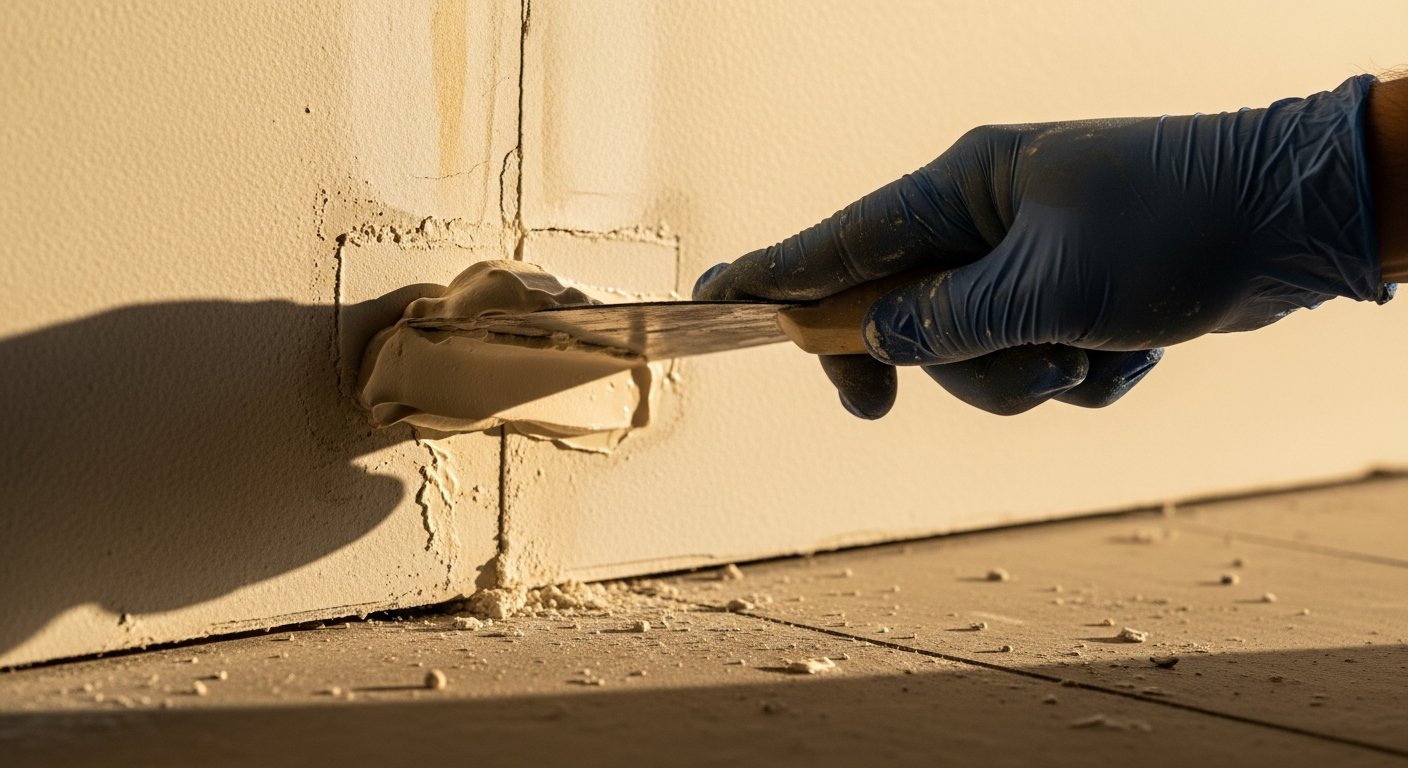
Another scenario where repair works well is when the damage is limited to the surface paper. You can often skim-coat the area with joint compound, sand it smooth, and repaint to match the existing wall. For holes up to about six inches in diameter, a self-adhesive mesh patch or a California patch (a piece of drywall with paper backing) provides a strong, seamless finish. These techniques require skill but are standard for any local drywall contractor. The key advantage of repair is speed. Most small repairs can be completed in a single day, including drying time for the compound. This minimizes disruption to your daily life and keeps costs low.
Cost Considerations for Drywall Repair
When you choose repair, you pay only for the materials and labor needed for the damaged area. For a Batesville homeowner, a typical small repair might cost between $50 and $150, depending on the complexity and whether you hire a professional. This is a fraction of the cost of replacing an entire wall. However, you must consider the appearance. If the repair requires blending a new texture with an old one, the cost can rise. In that case, you might find that replacing the entire wall costs only slightly more and gives you a perfect finish.
Repair also makes sense when the damage is in a low-visibility area, such as inside a closet or behind furniture. In these locations, a perfect match is less critical. But for living rooms, hallways, and bedrooms where the wall is a focal point, the quality of the repair matters. Always ask yourself whether the patch will be noticeable after painting. If the answer is yes, you might lean toward replacement.
When Drywall Replacement Becomes Necessary
Replacement is the definitive solution for severe damage. Water damage is the most common reason for full replacement. When drywall gets wet, the gypsum core softens and can grow mold. If the paper backing is saturated, the drywall loses its strength and will not hold paint or joint compound. In Batesville’s humid climate, mold can spread quickly, posing health risks. Any drywall that has been wet for more than 24 hours should be inspected carefully. If it feels soft or looks discolored, replacement is the safest choice.
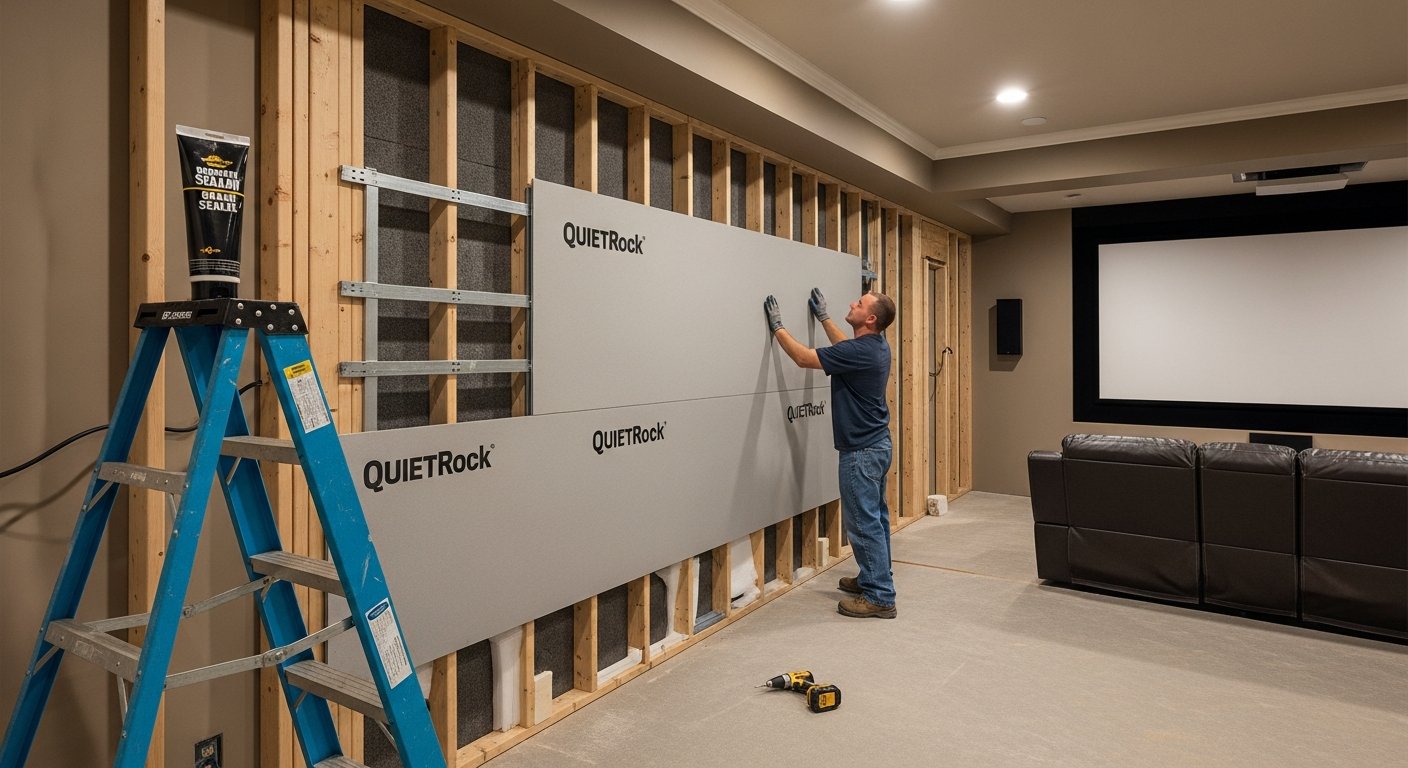
Large holes, such as those caused by a doorknob punching through or accidental impacts from furniture, often require replacement. A hole larger than a foot in diameter is difficult to patch seamlessly. The patch would have to be supported by backing, and the seams would need extensive taping and mudding. In many cases, cutting out the damaged section and installing a new piece of drywall (a technique called a cut-in patch) is more efficient than trying to fill the void. But if the damage spans multiple stud bays or stretches across a large area, replacing the entire sheet or wall section is faster and produces a better result.
Another strong reason for replacement is when the existing drywall has multiple problems. For example, a wall with several cracks, a few small holes, and peeling tape may be nearing the end of its useful life. Rather than patching each issue individually, replacing the whole wall gives you a fresh start. This is especially true for homes undergoing a full room renovation. If you are already painting, changing flooring, or updating trim, taking the wall down to the studs and installing new drywall ensures a uniform surface and allows you to add insulation or upgrade wiring.
Comparing Repair and Replacement: A Side-by-Side Look
To help you decide, consider these key factors side by side. Below is a practical breakdown of when each option works best.
- Repair works best for: nail pops, hairline cracks, small holes (under 6 inches), minor dents, and surface paper damage. These issues are cosmetic and do not affect the drywall’s structure.
- Replacement is better for: water-damaged drywall, large holes (over 12 inches), extensive mold, multiple cracks in one area, or when the drywall is crumbling. These issues compromise the integrity of the wall.
- Cost difference: A small repair costs $50 to $150. Replacing a single 4×8-foot sheet of drywall, including materials and labor, ranges from $200 to $400. For an entire room, costs increase significantly.
- Time commitment: Repair takes one day. Replacement of one sheet takes one to two days, including taping, mudding, and drying. A full room can take several days.
- Long-term outcome: A quality repair can last for decades. Replacement offers a completely uniform surface with no visible seams or texture mismatches.
This comparison shows that repair is ideal for minor, isolated problems. Replacement is the right choice when the damage is widespread or the wall no longer performs its basic function. Always factor in the age of your home and the quality of the existing drywall. If the rest of the wall is in poor shape, patching a single spot may only delay a larger project.
How Climate and Local Conditions Affect Your Decision
Batesville experiences a humid subtropical climate with hot summers and mild winters. This weather pattern affects how drywall behaves over time. High humidity can cause joint compound to dry slowly, leading to cracks if not given enough time. Seasonal expansion and contraction can also cause new cracks to appear at the edges of a patch. For this reason, professional installation is recommended for any repair that involves taping and mudding. A local contractor understands how to manage drying times and material selection for the Arkansas climate.
Water damage from storms or plumbing leaks is another local concern. The White River region sees occasional heavy rainfall, and older homes in Batesville may have outdated plumbing. If you experience a leak, act quickly. Drywall that remains wet for more than 24 hours is at high risk for mold growth. In such cases, replacement is not just about appearance; it is about protecting your family’s health. A moisture meter can help determine if the drywall is still wet. If the reading is above 12 percent moisture content, the drywall should be removed and replaced.
Additionally, homes in Independence County built with older construction methods may have drywall that is not up to modern standards. If your walls are made from lath and plaster or use a different thickness of drywall, matching a repair can be difficult. In these situations, replacing the entire wall section with modern 1/2-inch or 5/8-inch drywall ensures compatibility with current materials and simplifies future repairs.
Making the Final Decision for Your Batesville Home
When you are unsure whether to repair or replace, start by assessing the damage yourself. Look for signs of moisture, mold, or structural weakness. Press on the damaged area gently. If the drywall gives way or feels soft, replacement is the safer choice. Check the back of the damaged piece if you can access it. If the paper is discolored or the gypsum is crumbling, replacement is necessary. For cosmetic issues like nail pops or small dents, repair is sufficient.
Next, consider your long-term plans. If you are planning to sell your home in the next few years, investing in professional replacement for visible damage can increase your home’s value and appeal. Buyers notice uneven walls and poorly patched holes. A smooth, freshly finished wall signals that the home has been well maintained. If you plan to stay in your home for many years, a quality repair that blends well can serve you just as well as a replacement, especially if the damage is minor.
Finally, consult a local professional. A contractor who works in Batesville regularly can inspect the damage and give you an honest opinion. They can also show you samples of previous work so you can see the difference between a repair and a replacement. The peace of mind that comes from a job done right is worth the investment. Whether you choose repair or replacement, the goal is the same: a wall that looks good, performs well, and lasts for years to come.
Making the right choice between drywall repair and replacement for your Batesville Arkansas home depends on the specific damage, your budget, and your goals for the space. Small issues can be fixed quickly and affordably. Major problems require a more substantial investment, but the result is a wall that is as good as new. By understanding the factors involved, you can make an informed decision that protects your home and your investment.