From the bustling commercial corridors of Little Rock to the scenic residential developments in the Ozarks, Arkansas is a state built on growth and resilience. Whether you are planning a custom home, a commercial facility, or a critical infrastructure upgrade, the success of your project hinges on partnering with the right Arkansas construction services. The local industry is a diverse ecosystem of general contractors, specialized trades, and skilled craftspeople who understand the unique opportunities and challenges of building in The Natural State. Navigating this landscape requires insight into the services available, the regulatory environment, and the hallmarks of a quality contractor. This guide provides a comprehensive overview to help you make informed decisions for your next build or renovation.
Understanding the Arkansas Construction Landscape
Arkansas’s construction sector is shaped by its geography, economy, and climate. The state experiences a range of weather conditions, from hot, humid summers to occasional winter ice storms and the potential for severe weather, including tornadoes. This makes durable construction and proper material selection non-negotiable. Furthermore, building in different regions, such as the delta’s flood plains versus the rocky terrain of the mountains, demands specific expertise. A reputable Arkansas contractor will have deep local knowledge of soil conditions, drainage requirements, and best practices for longevity. Economically, the state has seen significant investment in sectors like logistics, manufacturing, and healthcare, driving demand for both commercial and residential construction. This growth supports a robust network of suppliers and skilled labor, but it also underscores the importance of choosing established firms with proven track records and local connections.
Core Services Offered by Arkansas Construction Firms
A full-service Arkansas construction company typically offers a continuum of services, often acting as the single point of responsibility for a project. The most common service model is design-build, where the contractor manages both the design and construction phases under one contract. This integrated approach fosters collaboration, streamlines communication, and can often accelerate project timelines. For more complex or custom projects, some owners prefer a construction management model, where the construction manager acts as an advisor and coordinator alongside the architect. Beyond these overarching models, the specific services encompass several key areas.
Residential Construction and Custom Home Building
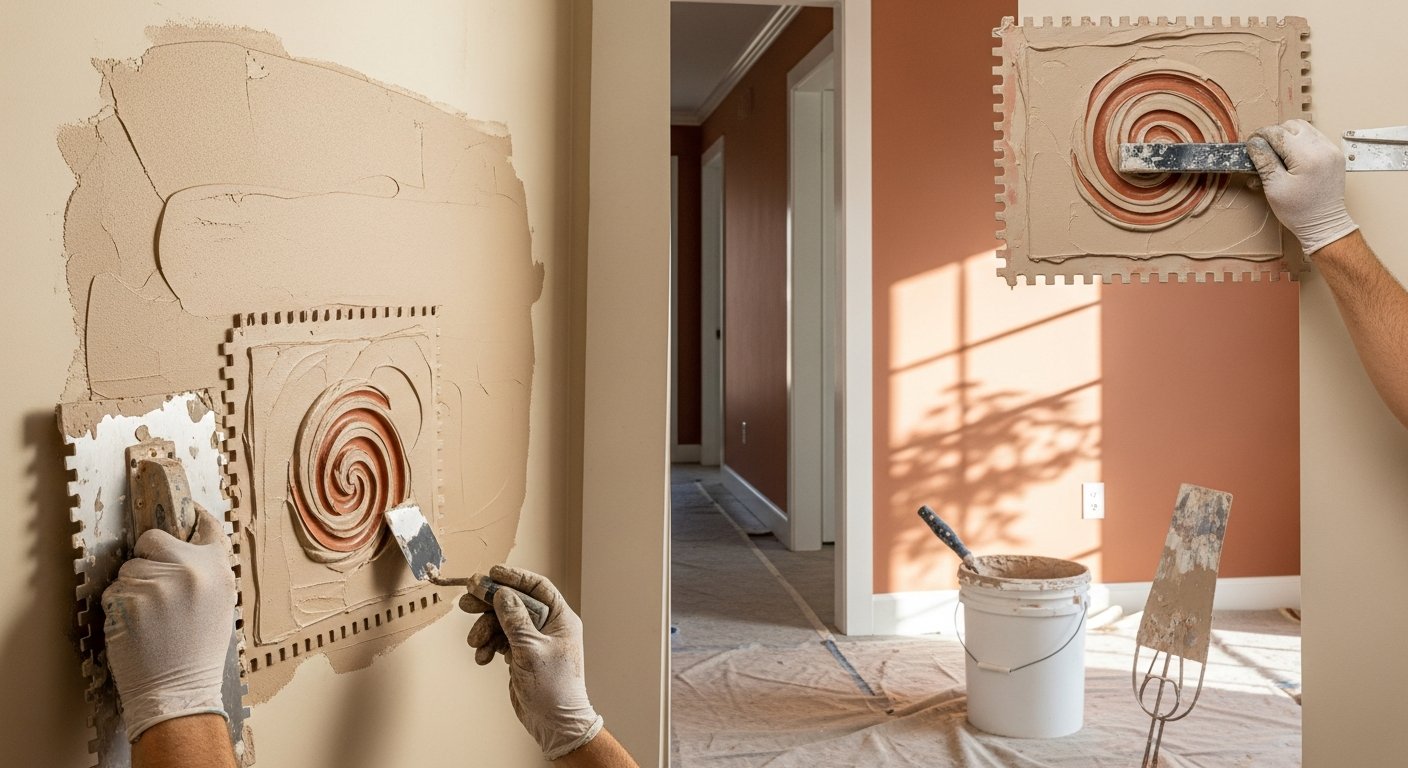
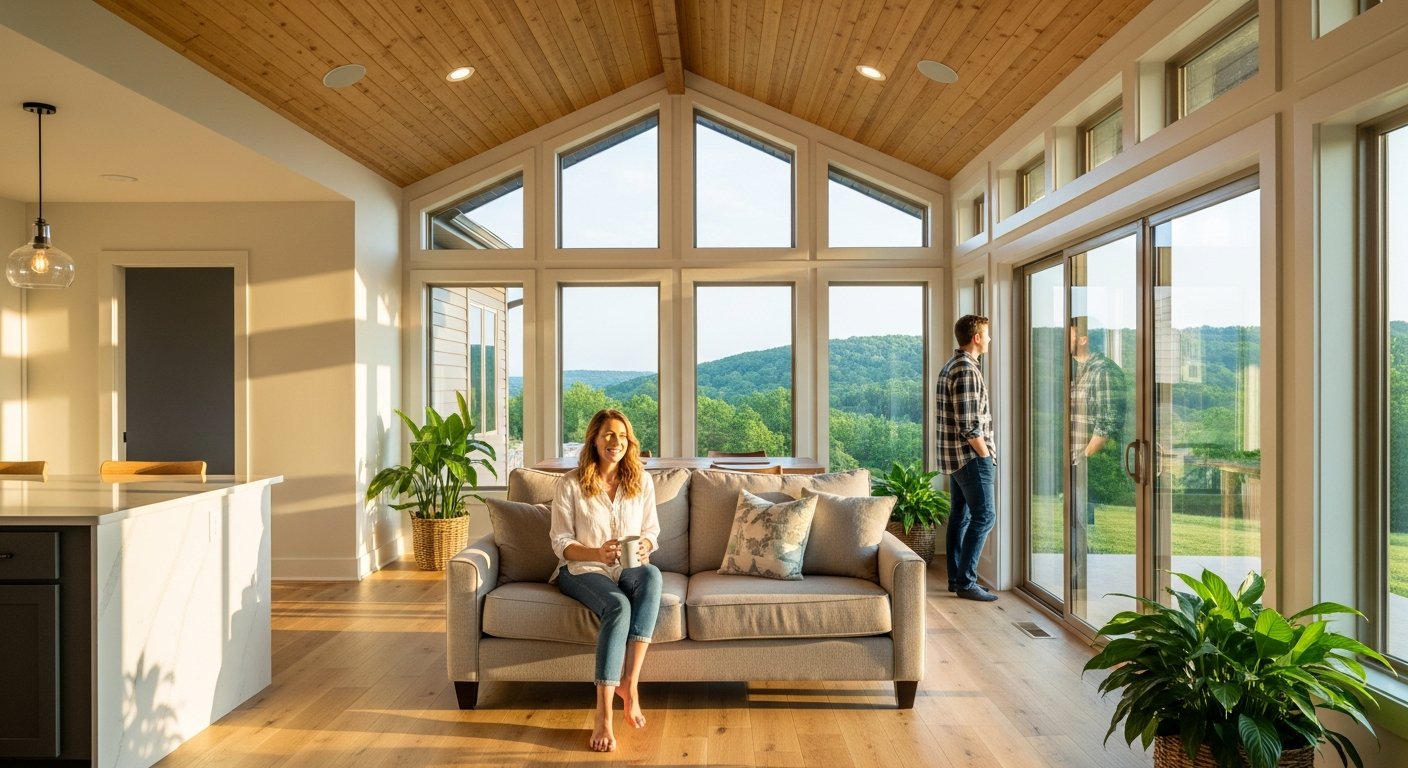
This sector ranges from large-scale subdivision development to one-of-a-kind custom homes. Quality Arkansas builders focus on creating energy-efficient, durable homes suited to the local climate. Key considerations include proper insulation, high-performance HVAC systems, and foundation designs that account for regional soil movement. Many firms also specialize in whole-home renovations, room additions, and historic restorations, particularly in areas with older housing stock. The process usually begins with detailed planning and budgeting, followed by site work, framing, and the sequential integration of mechanical, electrical, and plumbing systems before finishing.
Commercial and Industrial Construction
Commercial construction in Arkansas includes retail spaces, office buildings, medical facilities, and hospitality venues. These projects often involve stricter code compliance, more complex mechanical systems, and adherence to specific accessibility standards (ADA). Industrial construction, supporting the state’s manufacturing and distribution strengths, involves building warehouses, processing plants, and logistics centers. These projects require expertise in large-scale structural systems, specialized flooring, and utility integration. Successful commercial contractors are adept at managing projects in occupied spaces, minimizing business disruption, and working within tight operational schedules.
The Critical Path: Selecting Your Arkansas Contractor
Choosing the right partner is the most significant decision you will make. A thorough vetting process protects your investment and ensures a smooth build. Start by verifying essential credentials: a valid Arkansas Contractor’s License issued by the Arkansas Contractors Licensing Board, general liability and workers’ compensation insurance, and bonding capacity. Request and contact references for past clients, specifically for projects similar in scope and budget to yours. Visit completed projects if possible. When reviewing bids, be wary of quotes that are significantly lower than others; this can be a red flag for inexperience, cutting corners, or potential cost overruns later.
Essential questions to ask any prospective Arkansas construction services provider include:
- Can you provide a detailed, written estimate that breaks down costs for materials, labor, permits, and profit margins?
- Who will be the project supervisor on-site, and what is your communication protocol for daily updates and issue resolution?
- What is your projected timeline, including key milestones, and how do you handle delays due to weather or material shortages?
- Do you use subcontractors, and if so, are they also licensed and insured? How do you manage their work and quality?
- What warranties do you offer on both workmanship and the materials installed?
A professional contractor will welcome these questions and provide clear, documented answers. The contract itself should be comprehensive, detailing the scope of work, payment schedule, change order process, and dispute resolution procedures. Never proceed with a handshake agreement.
Navigating Permits, Codes, and Zoning in Arkansas
Construction in Arkansas is governed by a mix of state codes and local municipal ordinances. The state has adopted the International Building Code (IBC) and International Residential Code (IRC), with amendments. However, cities and counties often have additional requirements related to zoning, setbacks, historic districts, and environmental protections. For example, building near a waterway may trigger additional regulations from the Arkansas Department of Energy and Environment. A key role of your contractor is to manage the permitting process, which typically involves submitting detailed plans to the local building department for review and approval before work begins. Inspections at critical phases (foundation, framing, electrical, plumbing, final) are mandatory to ensure code compliance. An experienced local firm will have established relationships with inspectors and a thorough understanding of these requirements, preventing costly delays or rework.
Planning for Success: Budgeting and Project Management
Realistic budgeting is foundational. Beyond the obvious costs of materials and labor, your budget must account for site preparation (clearing, grading), utility connections, permit fees, architectural and engineering services, and a contingency fund of at least 10-15% for unforeseen issues. Effective project management is what transforms a plan and budget into a finished structure. Look for a contractor who uses modern tools for scheduling, such as Gantt charts or construction software, and provides regular, transparent updates. Good management also involves proactive problem-solving, quality control checks, and meticulous coordination of subcontractors and material deliveries. The goal is a process that is predictable, communicative, and minimizes stress for the owner.
Trends and Innovations in Arkansas Building
The construction industry in Arkansas is not static. Several important trends are shaping how projects are designed and built. Energy efficiency remains a top priority, with a growing adoption of techniques like advanced framing, spray foam insulation, and the installation of energy-efficient windows and appliances. This not only reduces utility costs but also aligns with increasing consumer demand for sustainable living. Smart home technology integration is becoming standard, even in mid-range projects, encompassing security, lighting, and climate control. Furthermore, there is a heightened focus on resilient construction designed to better withstand extreme weather events. This includes impact-resistant roofing materials, reinforced garage doors, and improved drainage systems. Utilizing local and regional materials when possible is another trend, supporting the local economy and reducing the carbon footprint associated with transportation.
Embarking on a construction project is a substantial undertaking, but with careful planning and the right professional partnership, it can be an immensely rewarding experience. By understanding the scope of Arkansas construction services, diligently vetting potential contractors, and engaging actively in the planning process, you lay the groundwork for a successful outcome. The result will be a safe, durable, and valuable asset, whether it is a family home, a commercial enterprise, or a community facility, built to stand the test of time in The Natural State.