Nestled in the rolling foothills of the Ozarks, Independence County offers a unique blend of scenic beauty, rich history, and a welcoming community spirit. For those looking to put down roots in this special part of Arkansas, building a custom home is an exciting path to creating a space that perfectly reflects your lifestyle and dreams. The journey from an empty lot to a finished home is a significant undertaking, and the most critical decision you will make is selecting the right partner for the project. Understanding the landscape of Independence County home builders, their specializations, and the local building environment is the essential first step toward a successful and rewarding build.
Understanding the Independence County Building Landscape
Building in Independence County comes with its own set of characteristics, opportunities, and considerations that differ from larger metropolitan areas. The pace is often more personal, the connection to the land is profound, and builders tend to have deep local roots. Many Independence County home builders are multi-generational family businesses with extensive knowledge of the area’s topography, weather patterns, and even the history of local neighborhoods. This intrinsic understanding is invaluable when it comes to site selection, foundation planning, and choosing materials that will stand the test of time against Arkansas’s humid summers and occasional severe weather.
The county’s building environment is also shaped by its mix of rural and semi-rural settings, with more suburban neighborhoods centered around Batesville, the county seat. This diversity means builders here are adept at a wide range of projects, from sprawling riverfront properties and wooded retreats to more traditional neighborhood developments. Furthermore, local builders have established relationships with area subcontractors, suppliers, and municipal offices. These relationships can streamline the permitting process, ensure access to quality craftsmen, and often result in better pricing and scheduling reliability. Choosing a builder without this local network can introduce unnecessary delays and complications.
Key Considerations When Selecting a Home Builder
Not all builders are created equal, and their expertise can vary dramatically. Your building project’s success hinges on aligning your vision, budget, and expectations with a builder whose skills and experience are a perfect match. Before you even begin interviewing candidates, it is crucial to define your own project’s scope. Are you looking for a fully custom design, or do you prefer to modify an existing plan? What is your realistic budget, including a contingency for unforeseen issues? Having clear answers to these questions will allow you to have more productive conversations with potential builders.
Once you have a foundational understanding of your project, you can begin evaluating builders based on several critical factors. The most important step is to conduct thorough due diligence. This process goes far beyond looking at a portfolio of pretty pictures.
- Licensing and Insurance: Verify that the builder holds a current Arkansas Home Builder license and carries comprehensive general liability and worker’s compensation insurance. This protects you from financial liability in case of accidents on your property.
- Portfolio and Specialization: Review their past projects. Do they consistently build in the style and quality level you desire? Some builders excel in modern farmhouse designs, while others specialize in traditional craftsman homes or rustic lodges.
- References and Reputation: Ask for and actually contact recent client references. Inquire about the builder’s communication style, problem-solving ability, adherence to budget and timeline, and overall professionalism. Also, check online reviews and consult with local real estate agents.
- Transparency and Communication: From the first meeting, assess how the builder communicates. Are they clear, responsive, and willing to explain processes in detail? A builder who uses a fixed-price contract with clear specifications is generally preferable to one relying solely on cost-plus agreements, which can lead to budget creep.
- Warranty and Service: Understand the builder’s post-construction warranty. A reputable Independence County home builder will stand behind their work with a comprehensive warranty that covers structural elements and major systems for a defined period.
After narrowing down your list, the interview process is your opportunity to dig deeper. Ask to visit a current construction site to observe the crew’s organization, craftsmanship, and safety standards. Discuss their typical project timeline and how they handle change orders, which are almost inevitable in a custom build. Pay close attention to how they listen to your ideas and concerns. The ideal builder is not just a contractor, but a collaborative guide through a complex process.
The Custom Home Building Process in Independence County
Embarking on a custom home build is a marathon, not a sprint. Understanding the typical phases managed by your Independence County home builder will help you navigate the journey with confidence. The process generally follows a sequential path, though some phases may overlap.
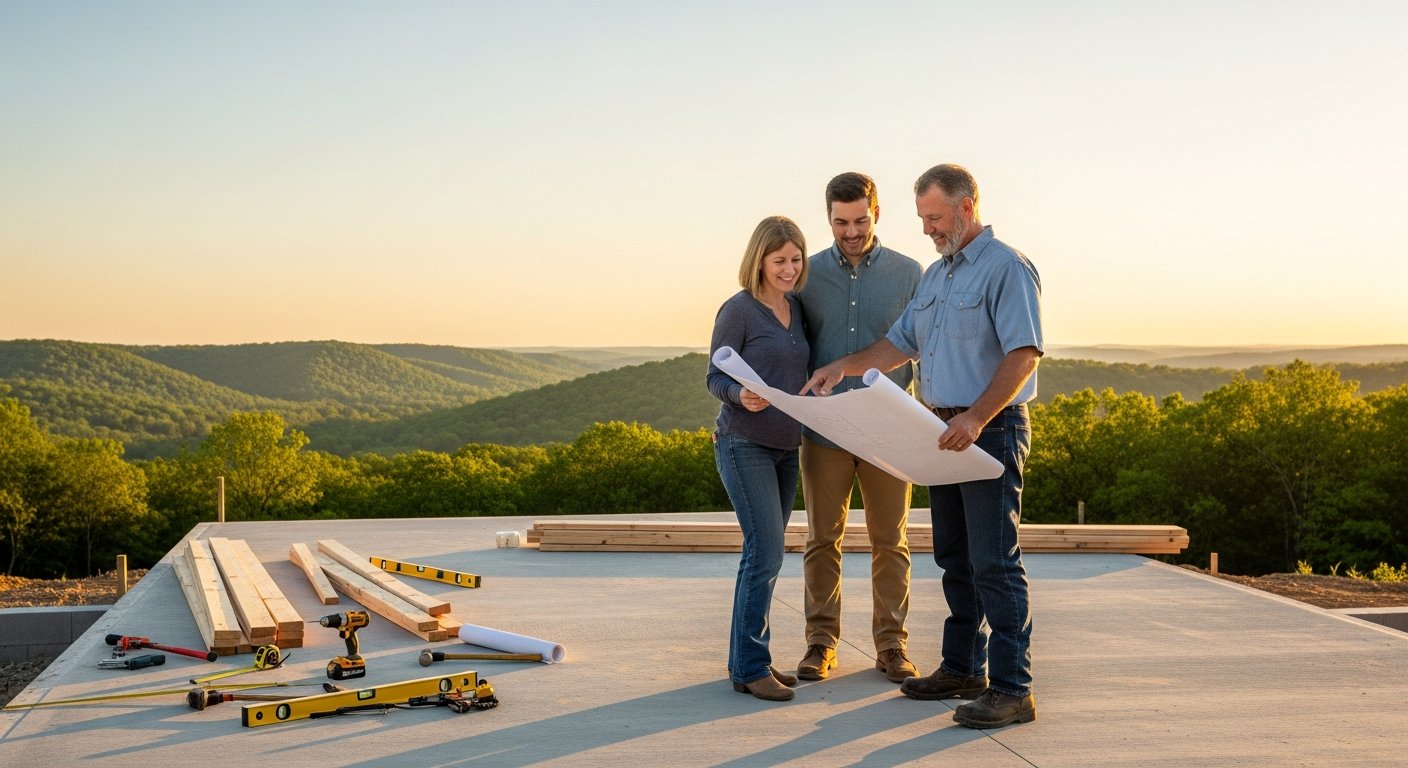
The first phase is Pre-Construction and Design. This begins with finalizing your lot purchase, ensuring proper surveys and soil tests are completed. You will then work with an architect or designer to create detailed blueprints. Your builder should be involved in this stage to provide practical cost and feasibility feedback. Once designs are complete, the builder will develop a detailed specification list and a fixed-price contract. Securing financing is also part of this critical phase.
Next comes Site Work and Foundation. After permits are secured, your builder will clear and grade the lot, install utilities (well, septic, or connections to city services), and excavate for the foundation. In Independence County, foundation type is crucial, with options including slab-on-grade, crawl space, or full basement, each chosen based on soil conditions and homeowner needs. The foundation is poured and cured, marking the first visible sign of your new home.
The Framing and Rough-Ins phase is where the house truly takes shape. The skeleton of the home is constructed with lumber, followed by the installation of the roof. Then, the mechanical rough-ins begin: plumbing pipes, electrical wiring, HVAC ductwork, and insulation are all installed within the walls and floors. This stage requires multiple inspections to ensure everything meets building code before the walls are closed up.
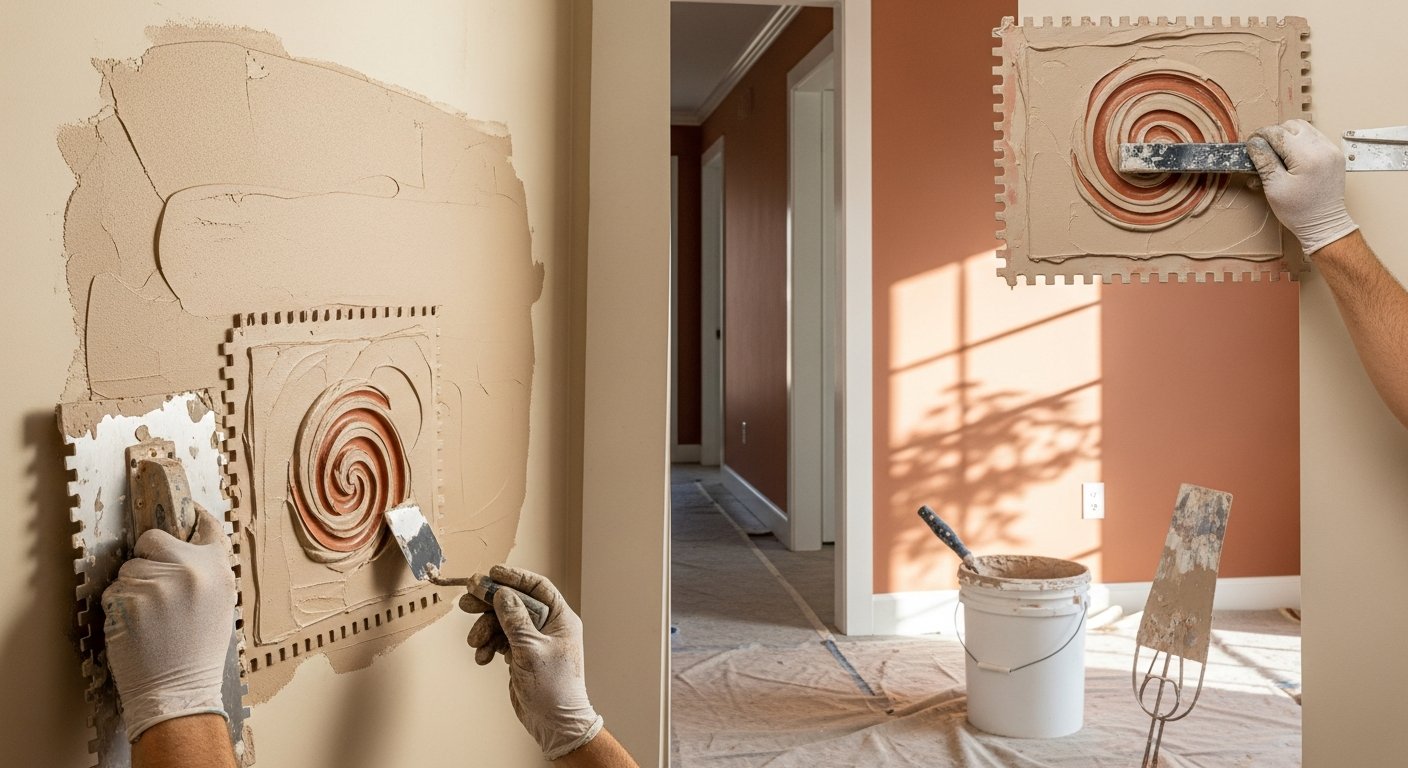
Interior and Exterior Finishes transform the framed structure into a home. Drywall is hung and finished, exterior siding or brick is applied, and interior trim work begins. This phase includes the installation of cabinets, countertops, flooring, and painting. It is often the most exciting for homeowners, as their design choices come to life. Simultaneously, bathrooms and kitchens are tiled and fixtures are installed.
The final phase is Final Inspections and Move-In. Your builder will coordinate final inspections for occupancy. You will then participate in a detailed walk-through, often called a pre-closing orientation, where you will learn about your home’s systems and note any items that need correction (the “punch list”). Once these are addressed, you receive the keys. A reputable builder will schedule follow-up visits at 30 days and 11 months to address any settling-related issues and ensure your complete satisfaction.
Maximizing Value and Navigating Challenges
Building a home is a significant investment, and there are strategic ways to maximize your value while anticipating potential challenges. One of the best strategies is to invest in quality where it counts: in structural components, insulation, windows, and roofing. These “behind-the-walls” elements are difficult and expensive to upgrade later and directly impact your home’s longevity, energy efficiency, and comfort. Conversely, you can save on cosmetic finishes like paint, light fixtures, and hardware, which can be easily updated down the line as trends change or budgets allow.
Communication is your most powerful tool for avoiding cost overruns and delays. Maintain a regular (e.g., weekly) check-in schedule with your builder. Document all decisions and change orders in writing. Be decisive during selection periods for finishes to avoid holding up the trades. It is also wise to plan for the unexpected by allocating a contingency fund of 10-15% of your total budget. In a custom build, unforeseen site conditions or material price fluctuations are common, and this fund provides a necessary buffer.
Common challenges in the Independence County area can include weather delays, especially during the rainy seasons, which can impact excavation and foundation work. Supply chain issues for specific materials may also arise. An experienced local builder will have strategies to mitigate these, such as scheduling critical outdoor work during drier periods and maintaining strong supplier relationships to source alternatives. Your patience and trust in your builder’s expertise during these inevitable hiccups are vital.
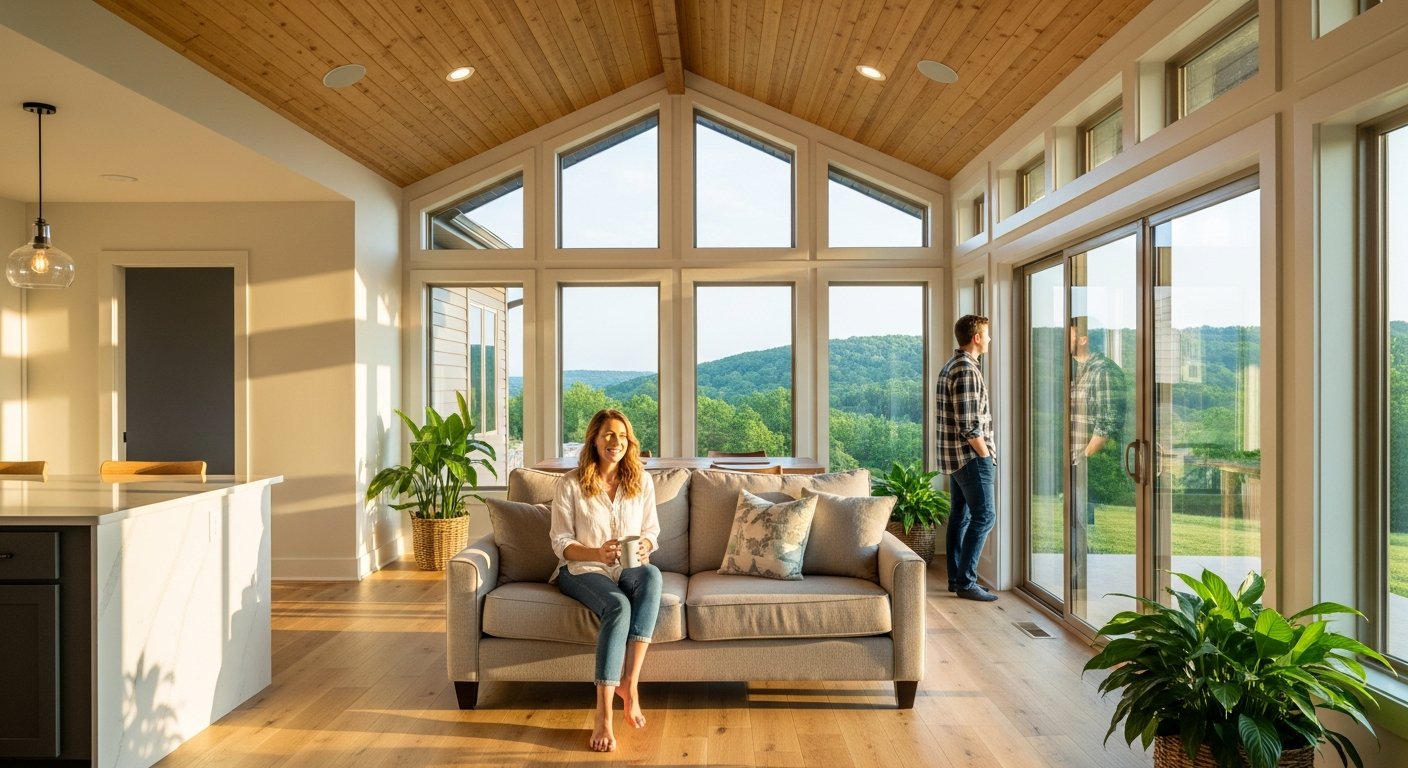
Ultimately, building a home in Independence County is about more than constructing a house, it is about creating a foundation for your life in a community known for its natural beauty and neighborly charm. By carefully selecting a skilled and trustworthy Independence County home builder, you gain a partner who not only understands the technical aspects of construction but also appreciates the significance of building a home in this unique Arkansas locale. The result is a personal sanctuary crafted with care, quality, and a deep connection to the land it rests upon.