Starting a home renovation is an exciting step, but the success of your entire project hinges on one critical decision: choosing the right contractor. The search for “house renovation contractors near” you is more than just a proximity game, it is a process of vetting for skill, reliability, and trust. A great contractor transforms your vision into reality on time and on budget, while a poor choice can lead to stress, delays, and financial headaches. This guide will walk you through a comprehensive, step-by-step approach to not only find local renovation professionals but to thoroughly evaluate and hire the one that is the perfect fit for your specific project and peace of mind.
Understanding Your Project Scope Before You Search
Before you type a single search term, you must define what you need. The term “renovation” covers a vast spectrum, from a simple bathroom update to a full-scale home addition or whole-house remodel. The type of contractor you need depends entirely on this scope. A handyman might handle a tile backsplash, but a kitchen overhaul requires a licensed general contractor with experience in plumbing, electrical, and cabinetry. Take time to outline your goals. What rooms are involved? What is your must-have list versus your nice-to-have list? What is your realistic budget, including a contingency fund of 10-20% for unexpected issues? Having clear answers to these questions allows you to communicate effectively with potential contractors and helps you filter candidates from the start. It signals professionalism and helps you get more accurate, comparable bids.
Effective Strategies to Find Local Renovation Contractors
With a project scope in hand, you can begin your targeted search. Relying solely on a basic internet search for “house renovation contractors near” can yield an overwhelming and mixed-quality list. A multi-pronged approach is far more effective.
Start with personal and professional networks. Ask friends, family, and neighbors for referrals, especially if you have admired their renovation work. Personal referrals are gold because they come with firsthand accounts of the contractor’s communication, cleanliness, and problem-solving. Next, leverage online platforms with verified reviews, such as Google Business Profiles, Houzz, and the Better Business Bureau. Look for patterns in reviews, not just the star rating. A contractor with a few negative reviews but detailed, professional responses may be more trustworthy than one with no responses at all. Finally, do not overlook the value of local building supply stores (like lumberyards or specialty tile shops). Their staff often know which contractors are consistently buying quality materials and are reliable payers, a good indicator of a stable business.
The Critical Vetting and Interview Process
Finding names is just the beginning. The next phase, vetting, is where you separate the serious professionals from the rest. Create a shortlist of three to five contractors for deeper investigation. Your first step should be to verify their credentials. Any reputable house renovation contractor near you should, at a minimum, hold a current state and local license and carry both liability insurance and workers’ compensation coverage. You can and should ask for proof of these documents. Checking with your local building department can confirm licensing requirements and any history of violations.
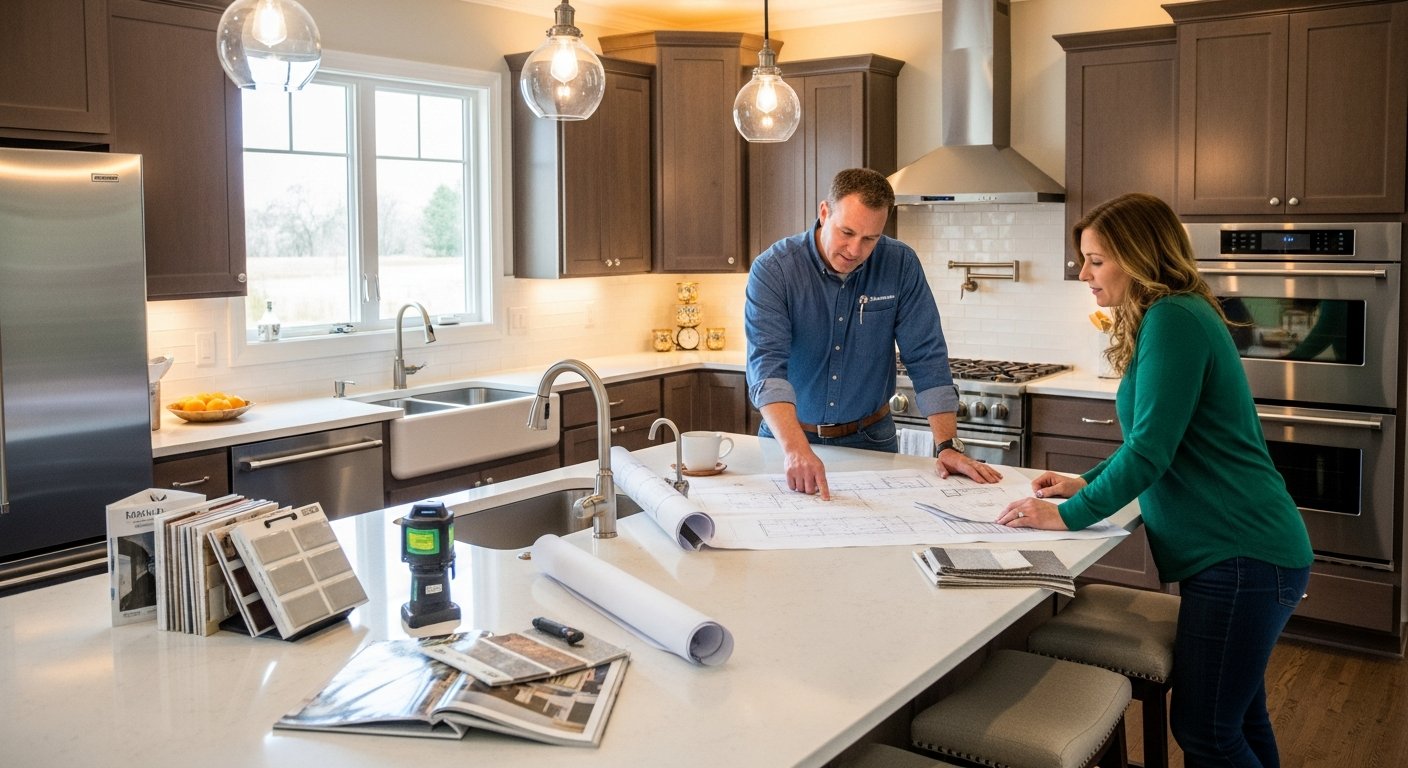
Once credentials are confirmed, schedule in-person consultations. This is a working interview. A professional contractor will want to see the project space, discuss your ideas, and ask clarifying questions. Prepare a list of questions to ask each one to ensure you get comparable information. Key questions include: How long have you been in business? Can you provide a list of recent references for projects similar to mine? What is your typical project timeline for a scope like this? Who will be the on-site project lead, and how will day-to-day communication be handled? Pay close attention to how they listen and respond. Are they dismissive of your ideas, or collaborative? Do they point out potential challenges you had not considered?
After the consultations, you will request detailed written estimates. Beware of any bid that is significantly lower than the others, it often signals cutting corners, using subpar materials, or anticipating change orders to raise the price later. A good estimate is not just a bottom-line number. It should be a detailed proposal that includes:
- A clear description of the work to be performed.
- A complete list of materials, including brands, models, and quantities.
- A project timeline with start date and estimated completion.
- A payment schedule tied to project milestones (not a large upfront sum).
- Provisions for handling permits, inspections, and cleanup.
Making the Final Decision and Starting the Project
With estimates in hand, it is decision time. Do not make this choice on price alone. Consider the full picture: the detail in the proposal, the comfort level you felt during the interview, the strength of the references, and the professionalism of their communication. Before signing anything, contact the provided references. Ask specific questions: Was the project completed on time and on budget? Was the worksite kept clean and safe? How did the contractor handle unexpected problems? Were you satisfied with the quality of the workmanship?
The final step is the contract. Never proceed with a handshake or a one-page agreement. Your contract is your primary protection. It should encapsulate everything from the detailed estimate, plus clauses for change orders (how modifications to the plan are handled and priced), dispute resolution, and warranty information for both labor and materials. Review it carefully before signing. A clear contract sets expectations for both parties and is the hallmark of a professional relationship.
Managing the Relationship for a Successful Renovation
Hiring the contractor is not the end of your involvement. Successful renovations are built on good communication. Establish a regular check-in routine with your project lead, whether it is a brief daily update or a weekly meeting. Keep a project journal or folder with all contracts, change orders, receipts, and notes from conversations. This prevents “he said, she said” scenarios. While you should trust your contractor’s expertise, stay engaged and ask questions if something does not align with your understanding. Be decisive when asked for choices to avoid delays, and always approve change orders in writing before the work proceeds. Remember, a respectful, professional partnership where you are an informed participant greatly increases the likelihood of a smooth process and a result you will love for years to come.
Finding the right house renovation contractor near you requires diligent research, clear communication, and thorough vetting. By investing time in this process, you are not just hiring labor, you are selecting a partner for one of the most significant investments you will make in your home. The result is more than a renovated space, it is the confidence and satisfaction that comes from a job done right.